Measurement and dosing together
Combining accurate dosing with real-time measurement keeps water quality stable and avoids unnecessary chemical consumption.
Disinfection reduces microbiological contamination, protects installations and keeps water quality constant. To be effective it must be accurate, continuous and reliable: this is why dosing, measurement and control must be designed together.
Disinfection is not just a matter of dosing a chemical. To achieve consistent results, the process must be measured, controlled and adjusted according to actual operating conditions, from small installations to large treatment plants.
Combining accurate dosing with real-time measurement keeps water quality stable and avoids unnecessary chemical consumption.
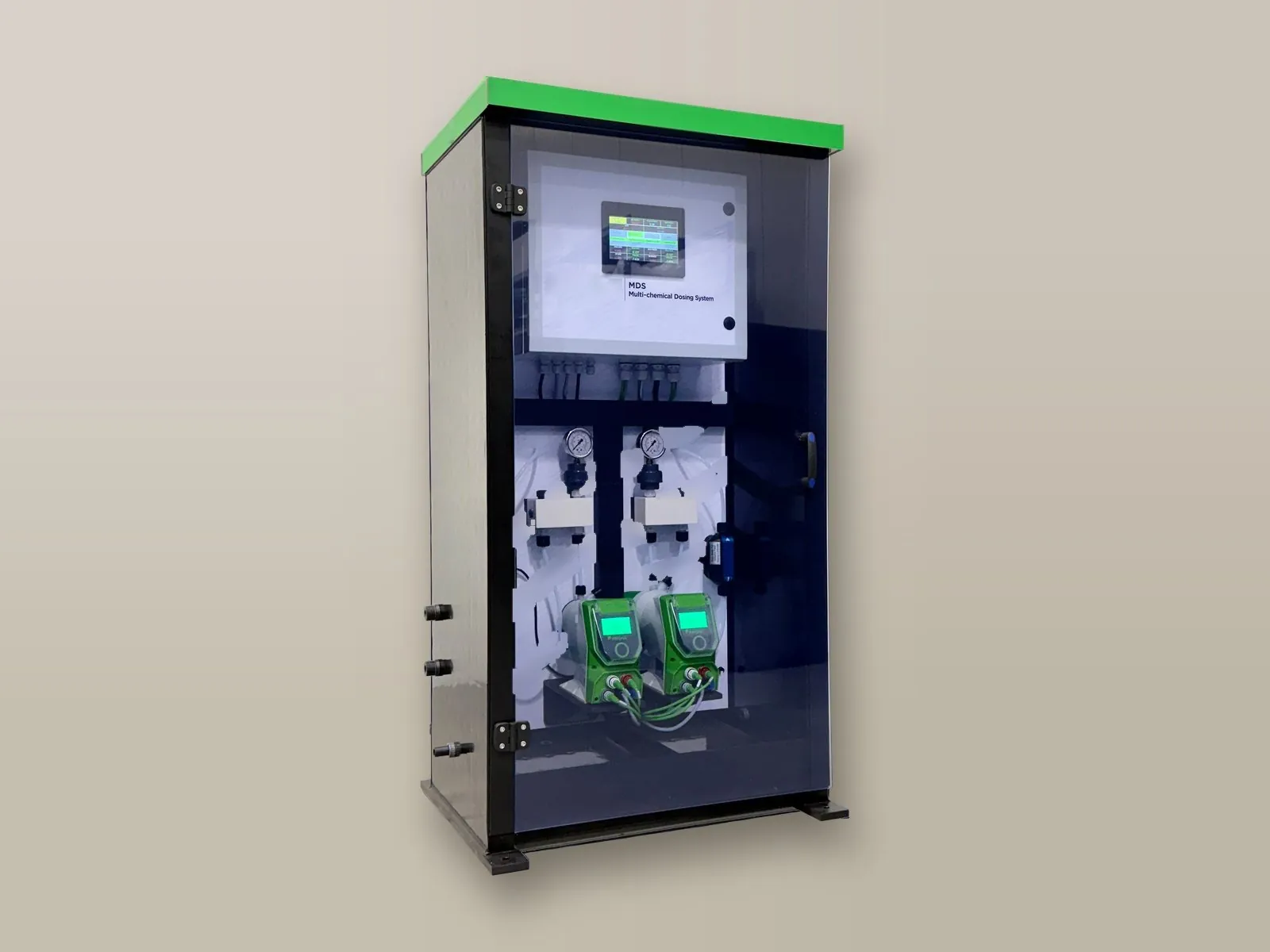
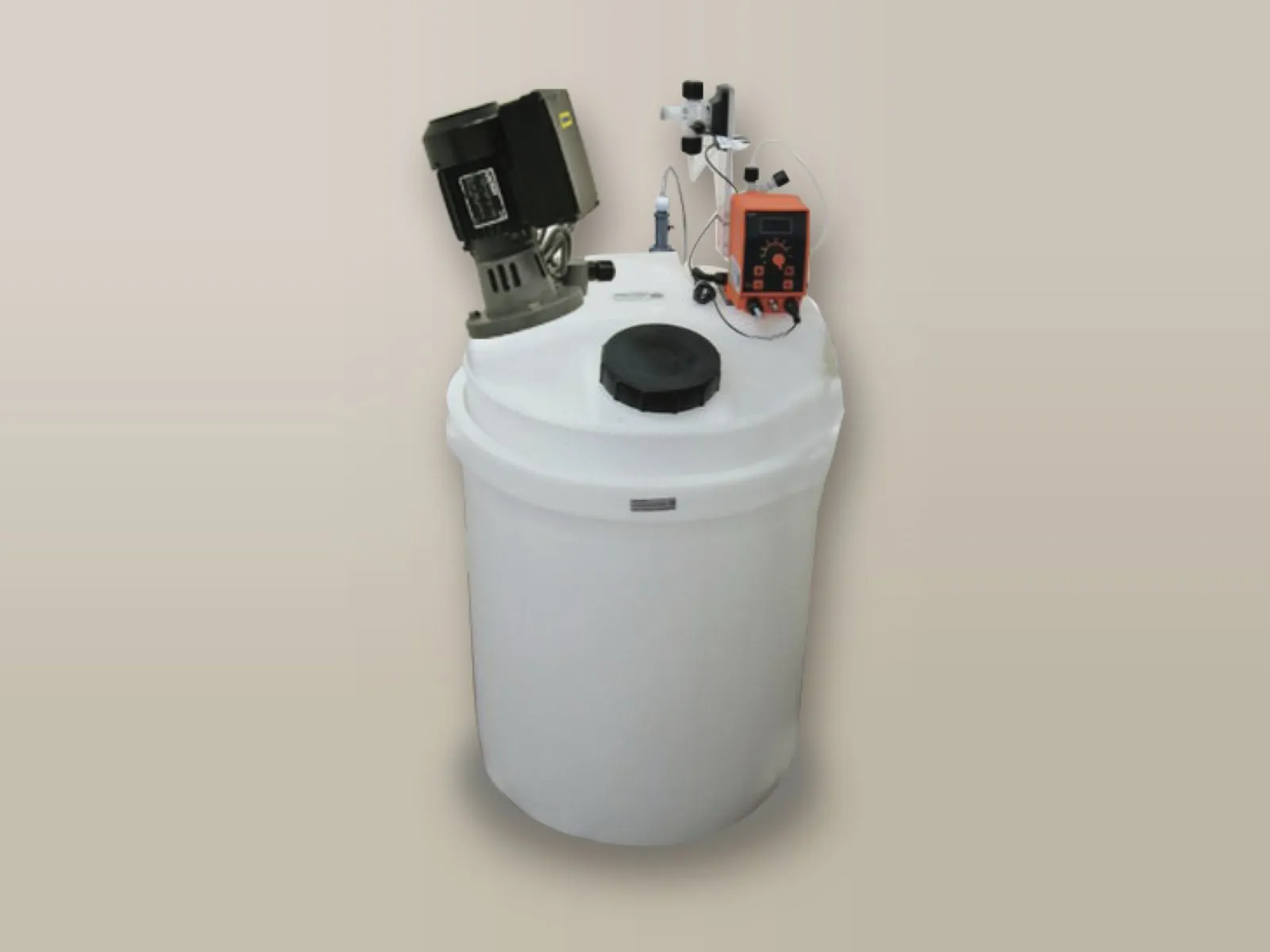
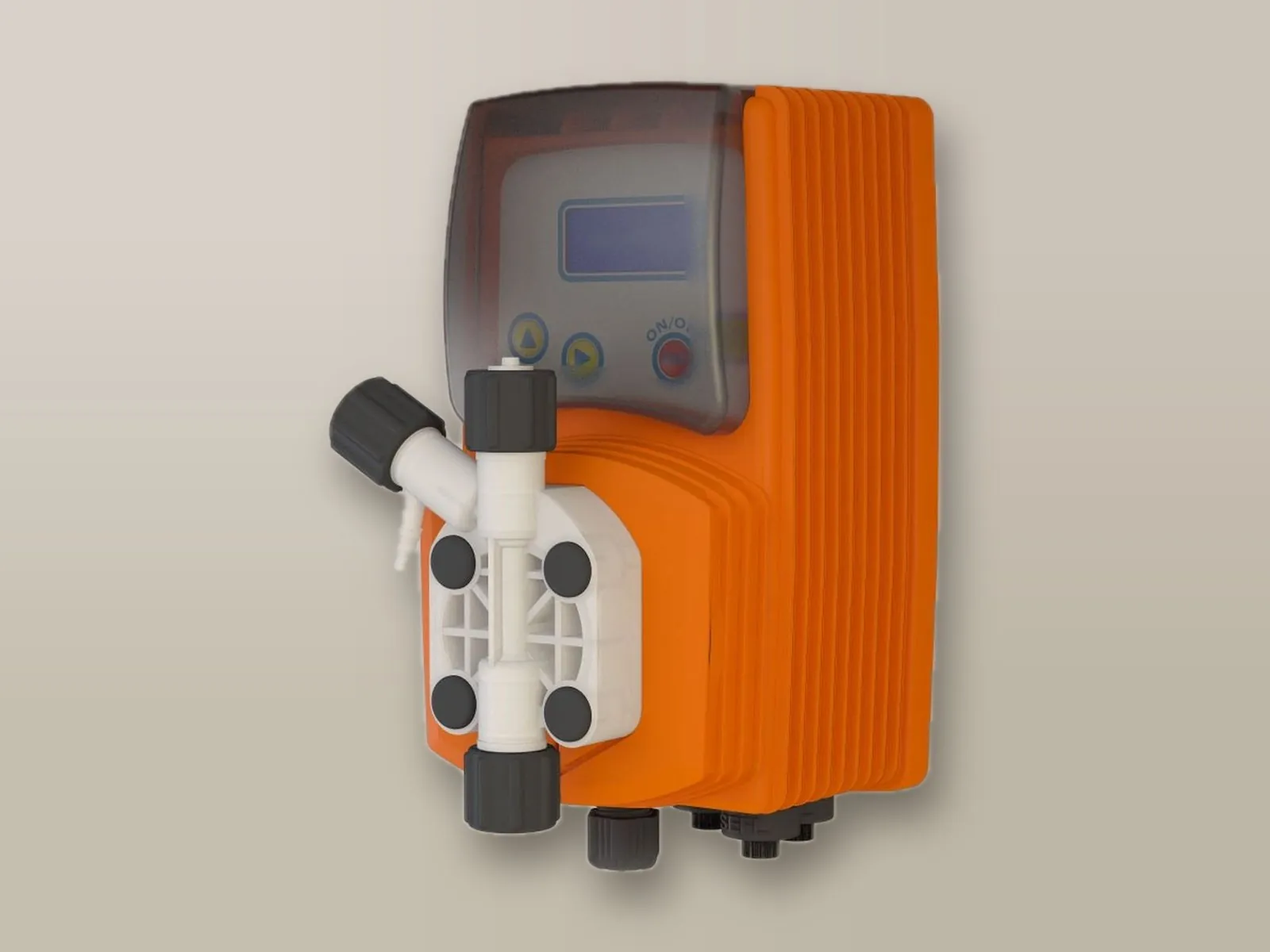
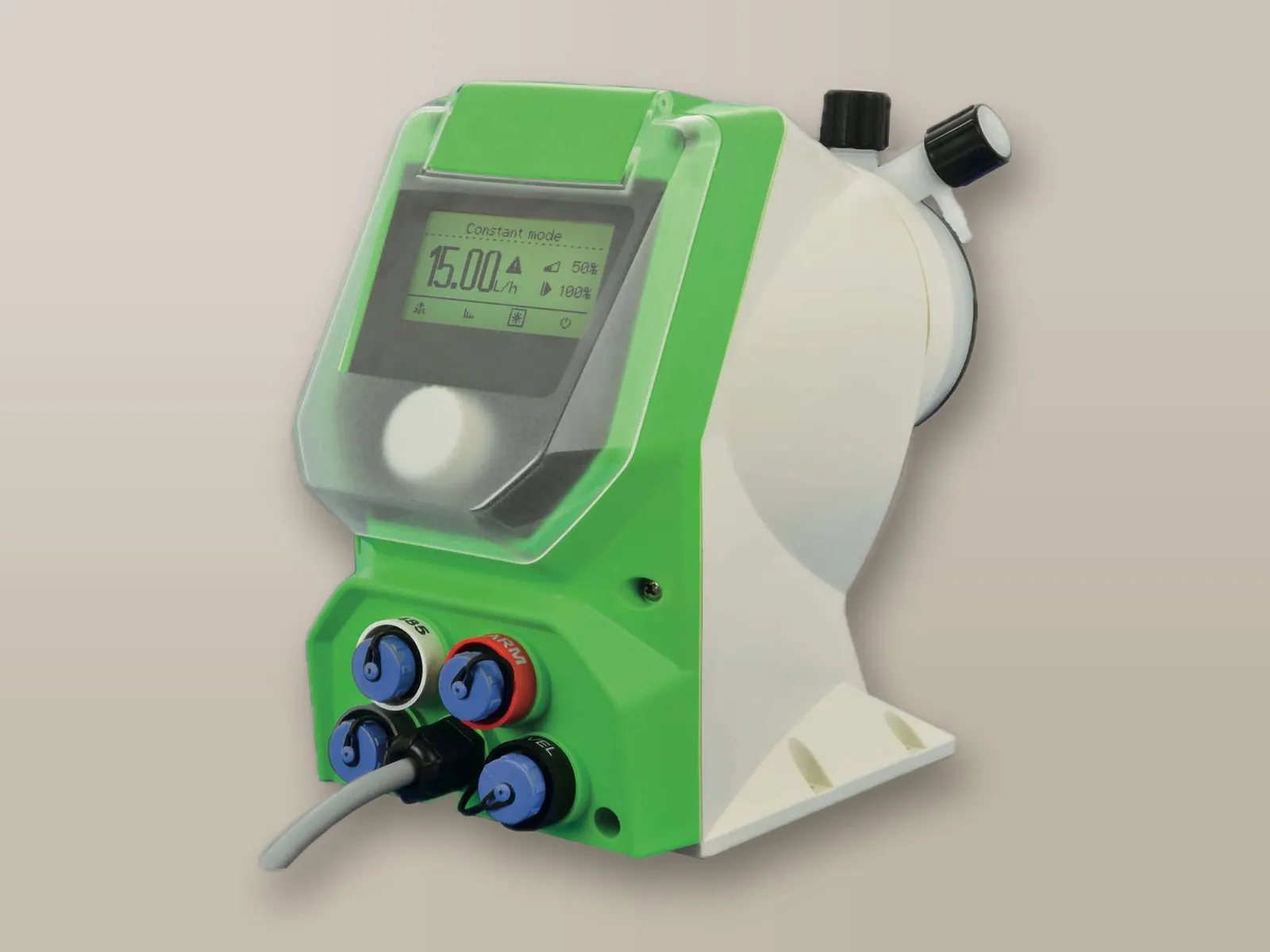
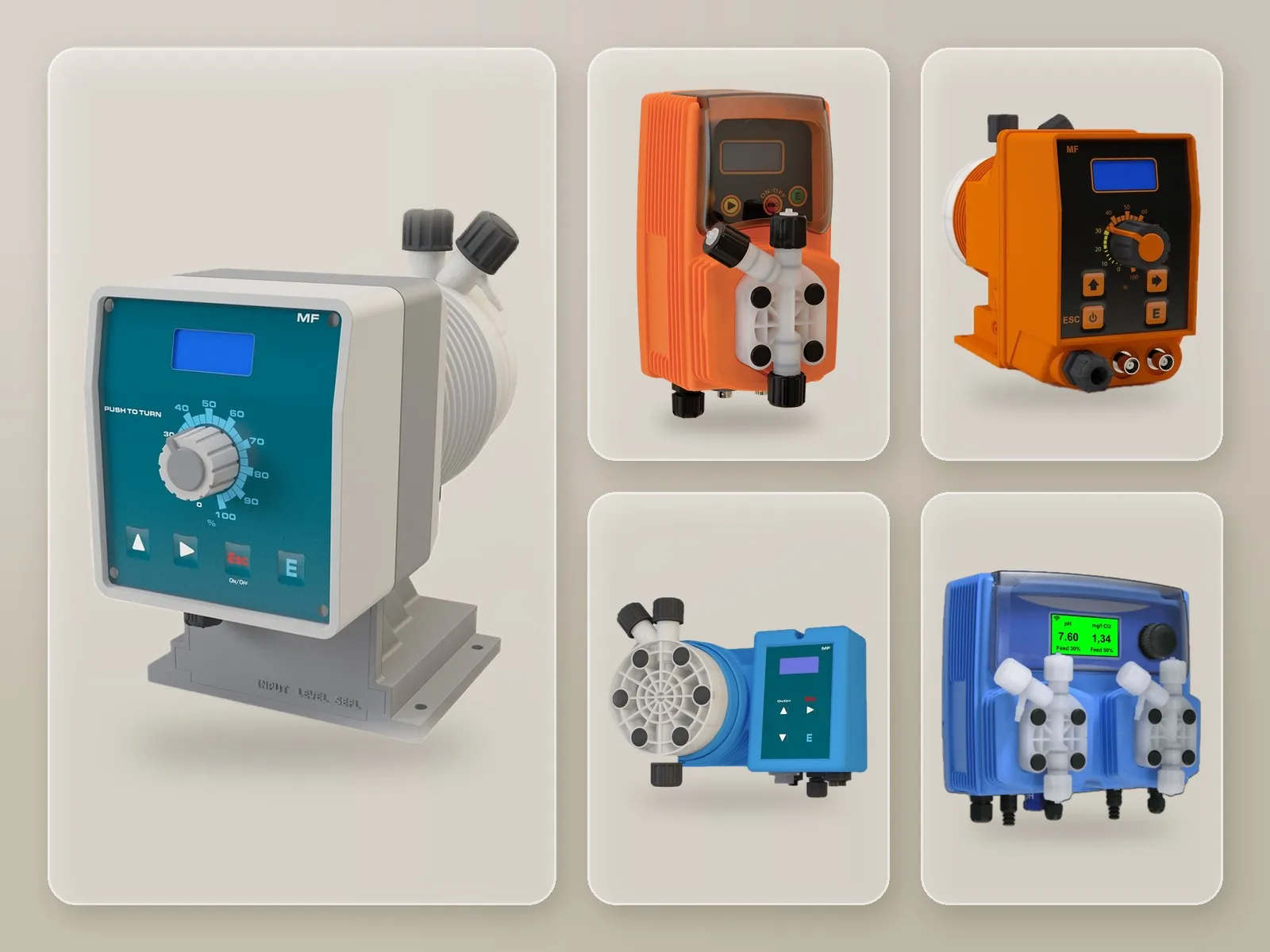
Precise dosing of the disinfectant and of correction chemicals.
Continuous measurement of the disinfectant concentration and of the main water parameters.
Automatic adjustment according to flow rate or to the measured value.
Alarm management and process supervision, also remotely.
Reduction of bacteria, viruses, fungi, algae and other microorganisms.
Prevention of microbiological contamination and of biofilm formation in pipes and tanks.
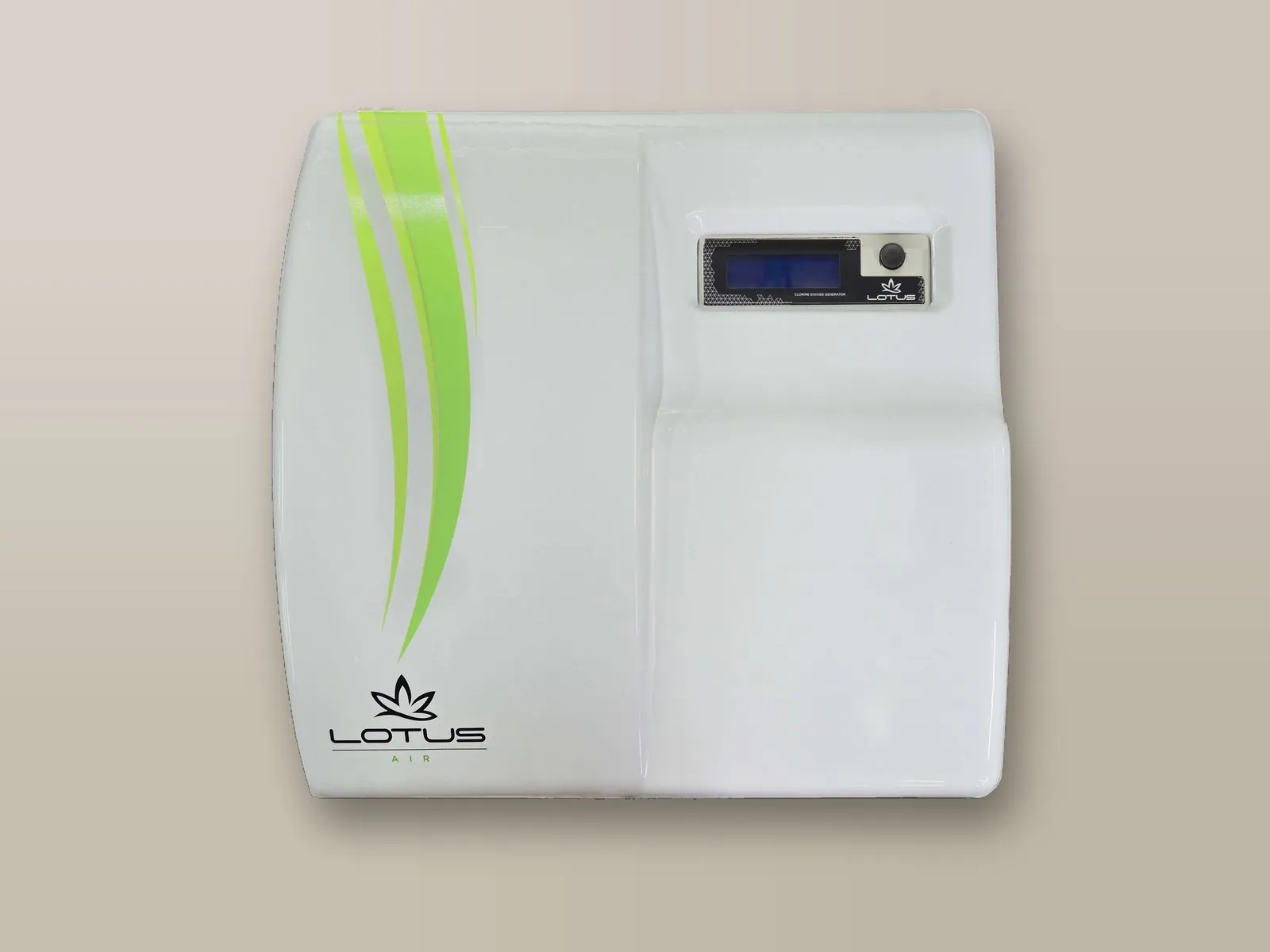
Chlorine dioxide is used where effective and controlled disinfection is required. The generator produces it on site by combining two liquid precursors; the solution is then dosed in proportion to the water flow or controlled to a measured value.
It is stabilised with an additional chemical component to allow storage and transport, and is activated with an activator that releases its disinfecting power; once activated it must be used within 30 days, with progressively decreasing effectiveness.
The generator combines two precursors, hydrochloric acid and sodium chlorite, and automatically produces chlorine dioxide at the point of use: always fresh, in small quantities, with virtually no by-products.
Continuous supervision makes it possible to detect variations, alarms and anomalies before they affect water quality.
Instruments connected to the portal can be viewed and adjusted from any web browser, with the archive of readings and alarms.
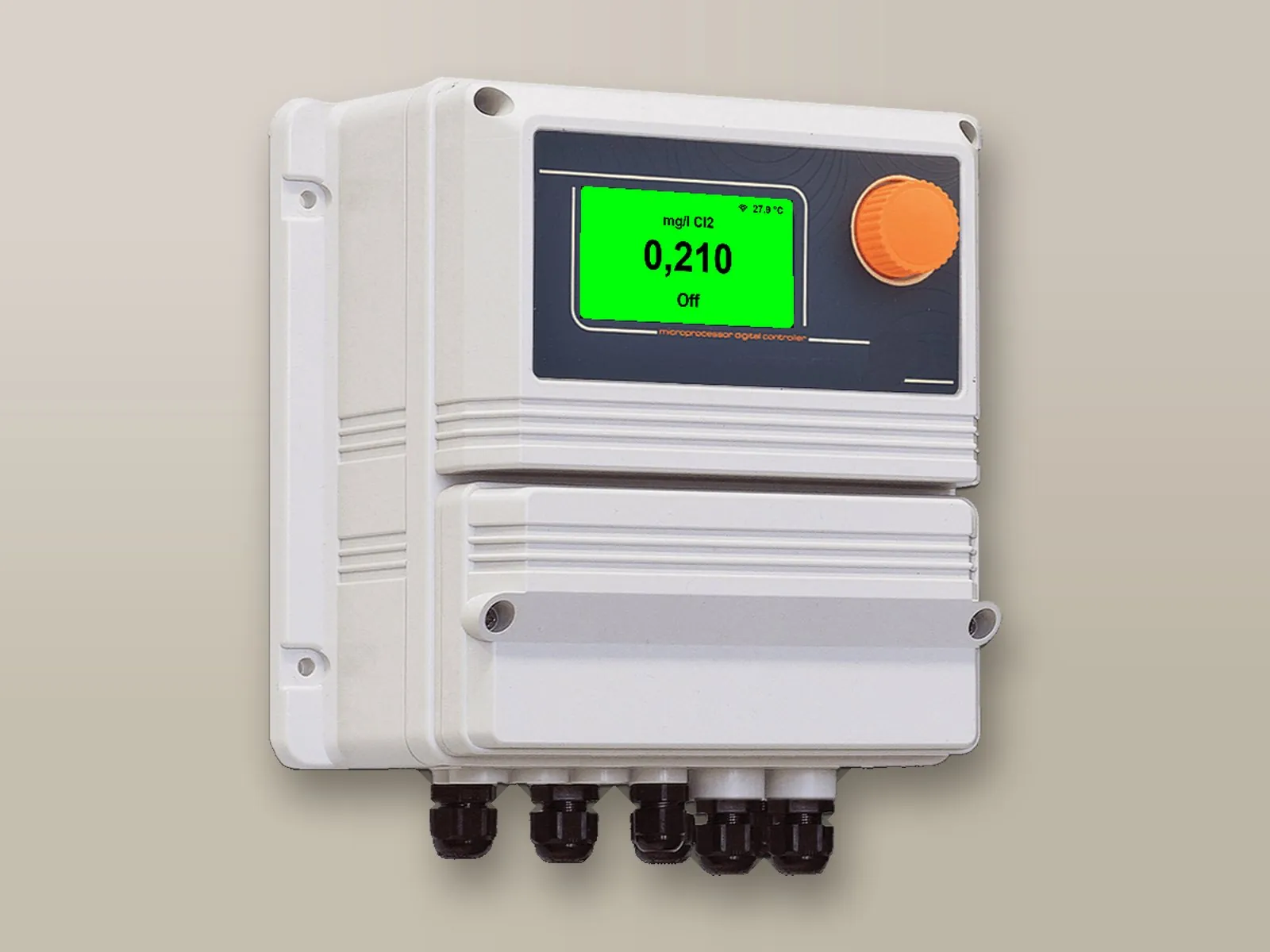
Chlorine, chlorine dioxide, bromine, peroxide, peracetic acid, ozone and chlorites with an amperometric cell.
Details →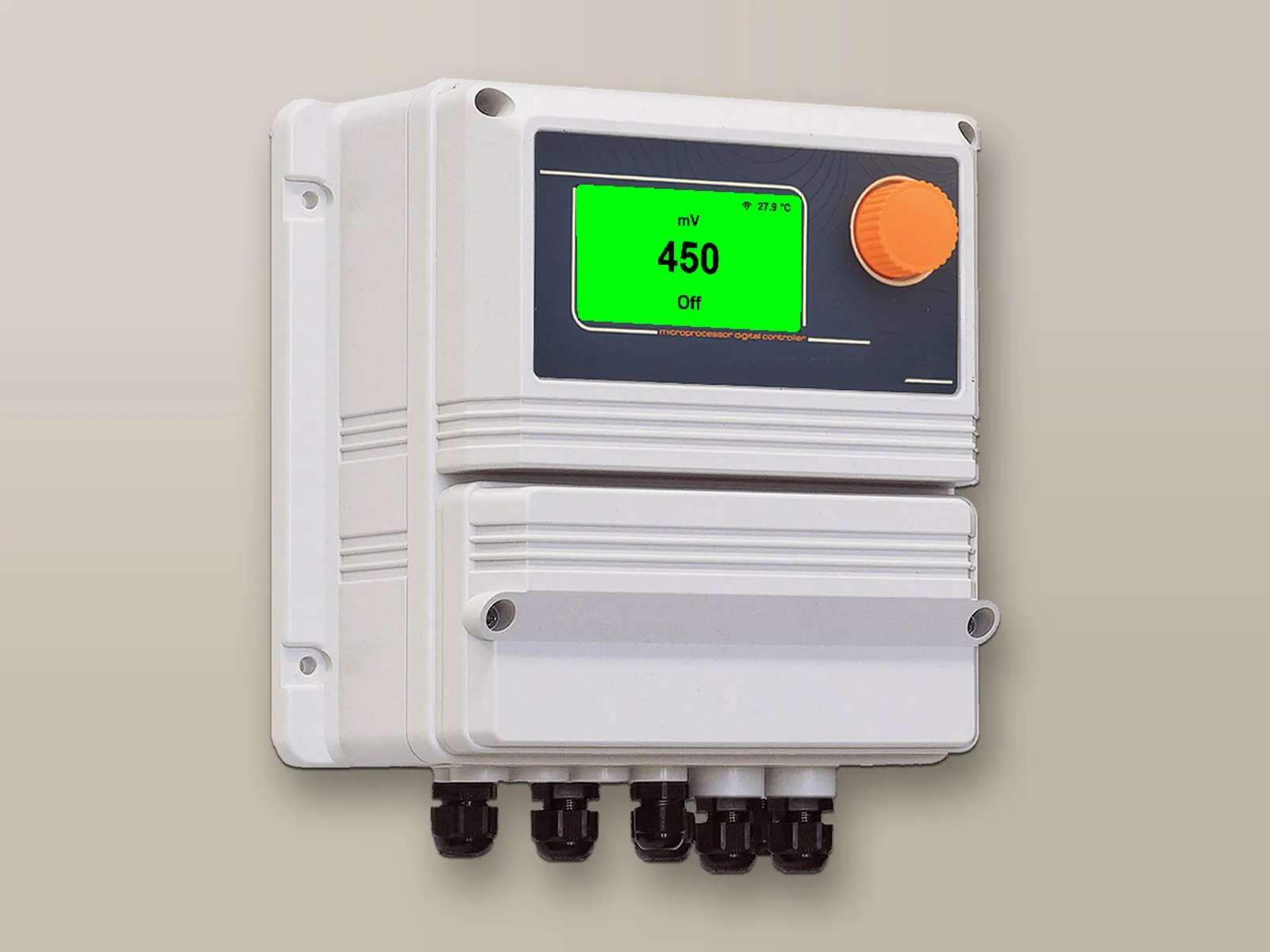
Disinfection control through the Redox potential.
Details →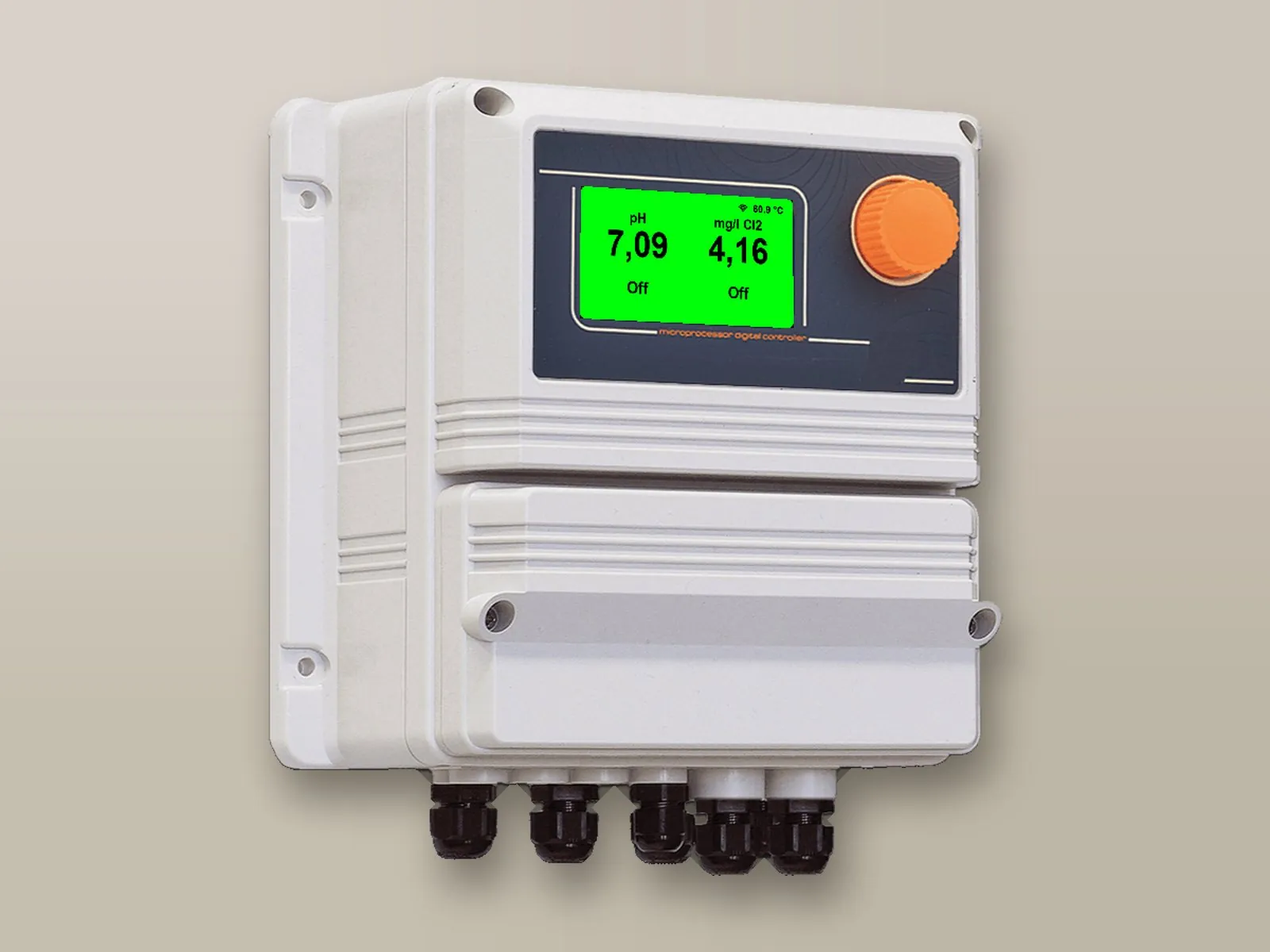
pH and disinfectant in a single instrument.
Details →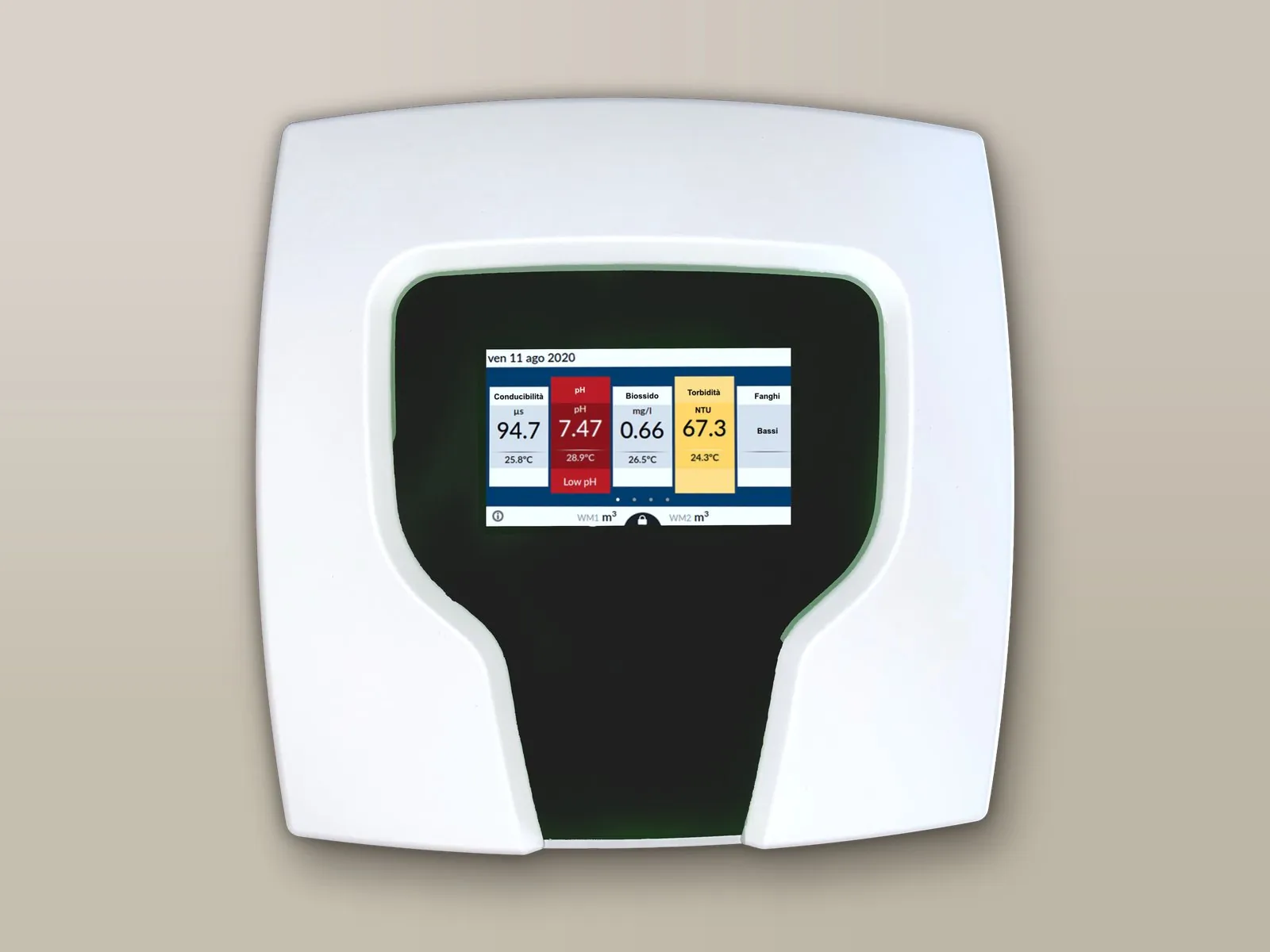
Multi-parameter controller with remote control.
Details →Describe the installation, the chemicals to be dosed and the parameters to be controlled: our technical staff will propose the most suitable pumps, instruments and accessories.
Call or write to us: a technician will reply with a tailored proposal of controllers, pumps, probes and accessories.