Domestic hot water
Heating systems of hotels, hospitals, care homes and swimming pools, where hot water circulates continuously and the risk of Legionella is high.
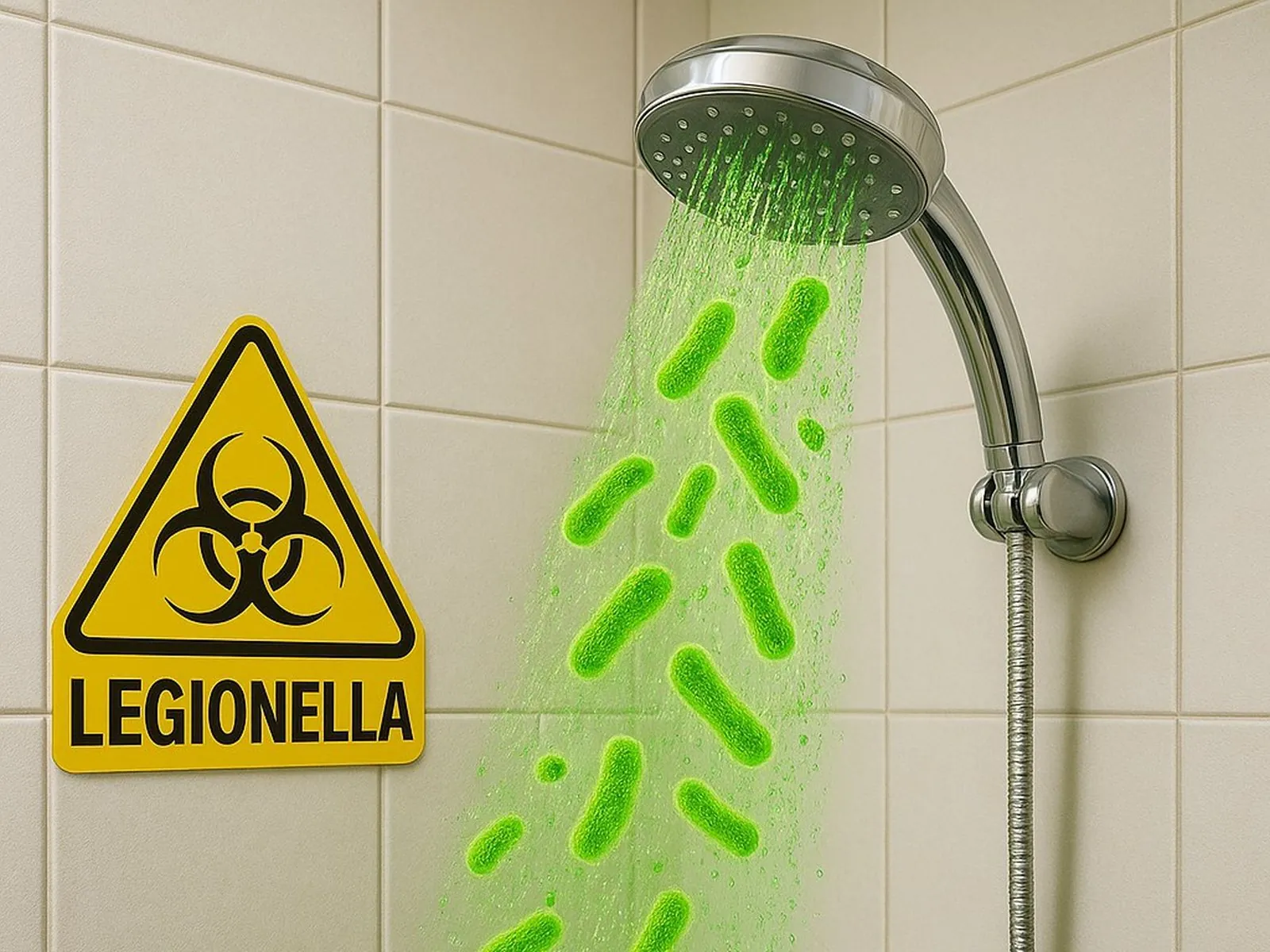
Legionella control →Chlorine dioxide is a powerful oxidant and disinfectant: it eliminates microorganisms, including Legionella, destroys biofilm and hinders its regrowth, and oxidises substances such as iron and manganese. It is an unstable compound: it is used in stabilised form or generated directly at the point of use.
Heating systems of hotels, hospitals, care homes and swimming pools, where hot water circulates continuously and the risk of Legionella is high.
Legionella control →Water storage tanks of large public installations and treatment of well and spring water.
Drinking water →Washing of bottles, fruit and vegetables, cooling towers, livestock drinking troughs, water for irrigation and plant nurseries.
It destroys biofilm, which provides shelter and nutrients for bacteria, and hinders its regrowth: it is the most suitable disinfectant against Legionella.
Effective between pH 4 and 10, with no loss of effectiveness; its action is not affected by corrosion inhibitors.
It remains dissolved in water for a long time and also reaches the most remote or slow-circulating sections of the system, with a higher residual effectiveness than other disinfectants.
It disinfects in approximately 5 minutes of contact with the water.
It does not produce organohalogen compounds and, as it does not react with ammonia, it does not form chloramines.
It does not alter the odour, colour or taste of the water.
Chlorine dioxide degrades very easily: for this reason it is used in two ways.
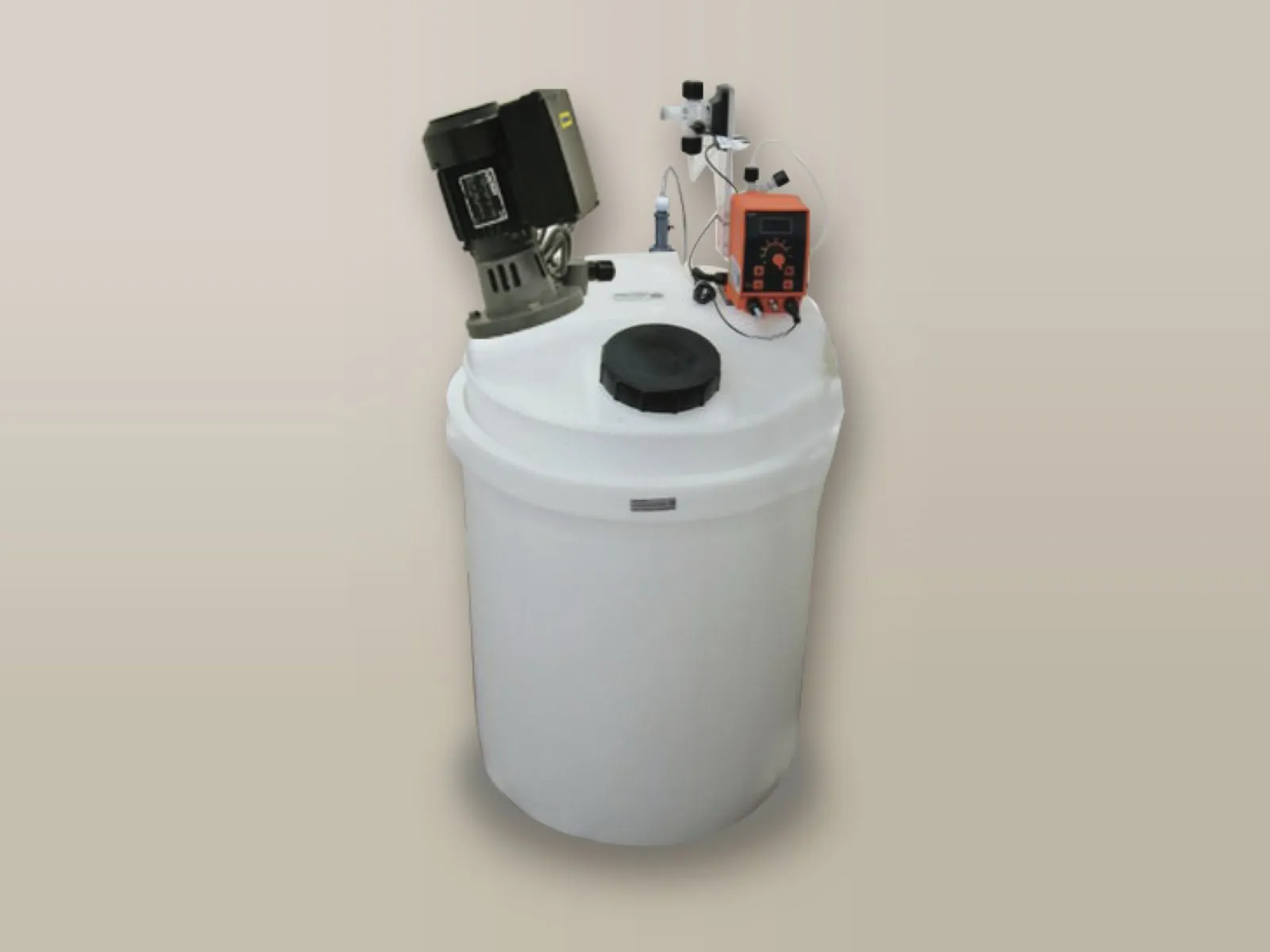
It is stabilised with an additional chemical component to allow storage and transport; the user activates it, manually or with a dosing pump, with an activator that releases its disinfecting power.
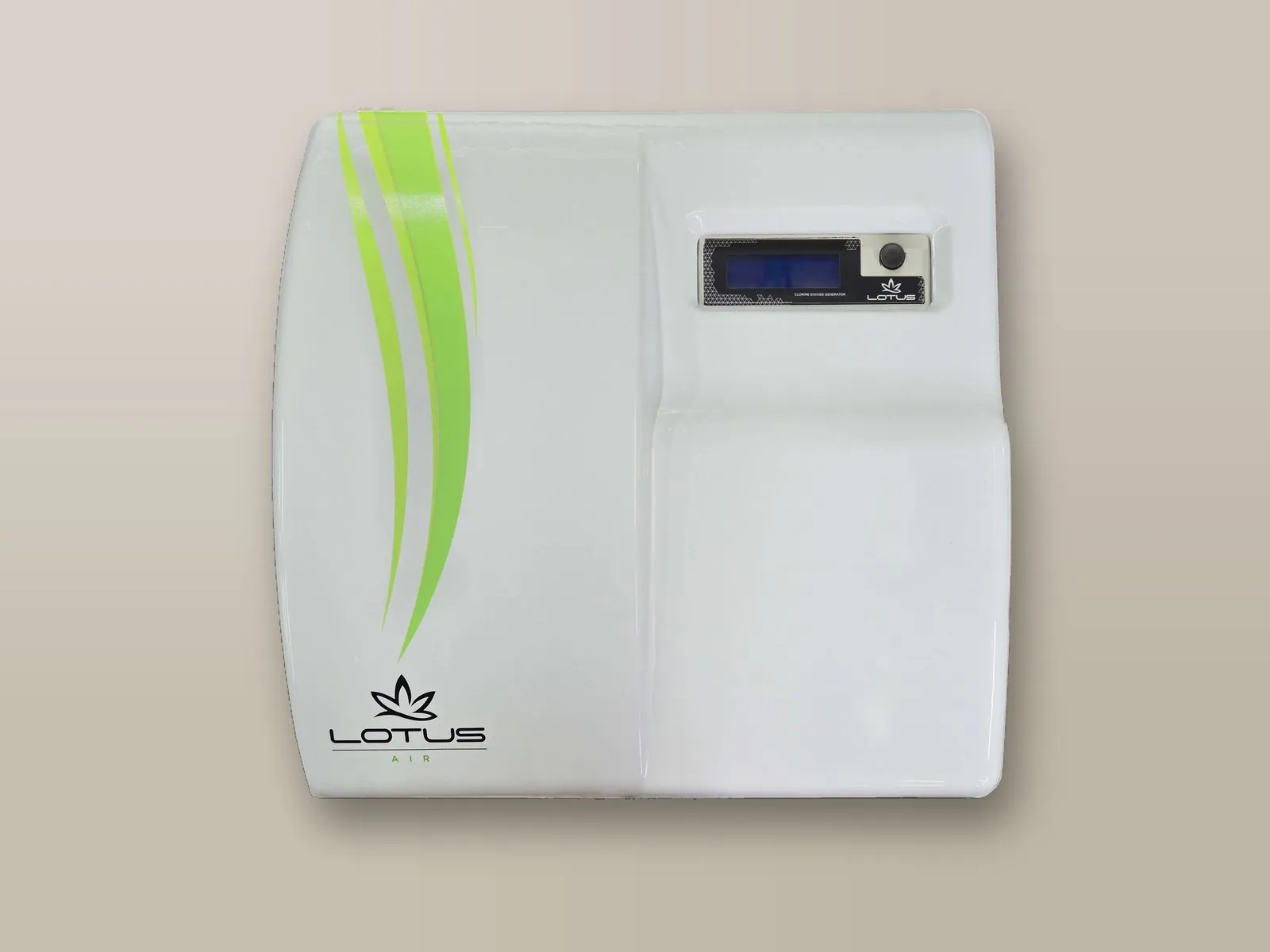
A generator combines two precursors, hydrochloric acid (HCl 9%) and sodium chlorite (NaClO2 7.5%), and automatically produces chlorine dioxide at the point of use.
In the LOTUS AIR generator, production takes place at ambient pressure, with fully automated and controlled cycles.
The LOTUS AIR production cycle →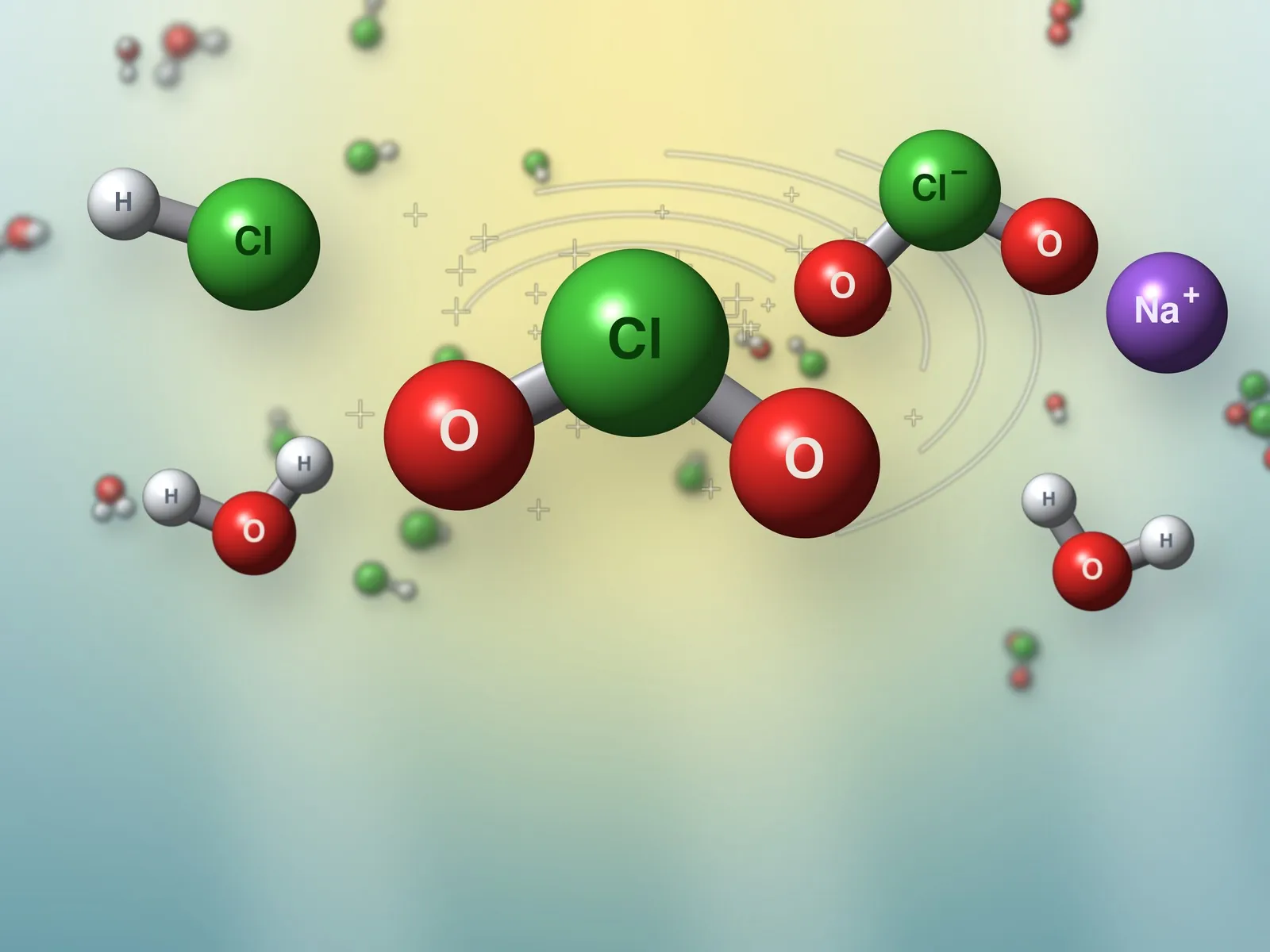
The control unit feeds water and the correct quantities of hydrochloric acid and sodium chlorite into the 1-litre reaction tank.
In 15 minutes the two precursors react and form chlorine dioxide.
Further water, free of free chlorine, brings the concentration to 2 g/l (2,000 ppm).
The chlorine dioxide passes into the integrated storage tank, from which one or more dosing pumps inject it at one or more points or into one or more systems.
The quantity of chlorine dioxide required depends on the oxidisable substances present: microorganisms, organic matter, iron, copper and manganese. When contamination increases, the residual falls and the system must dose more disinfectant.
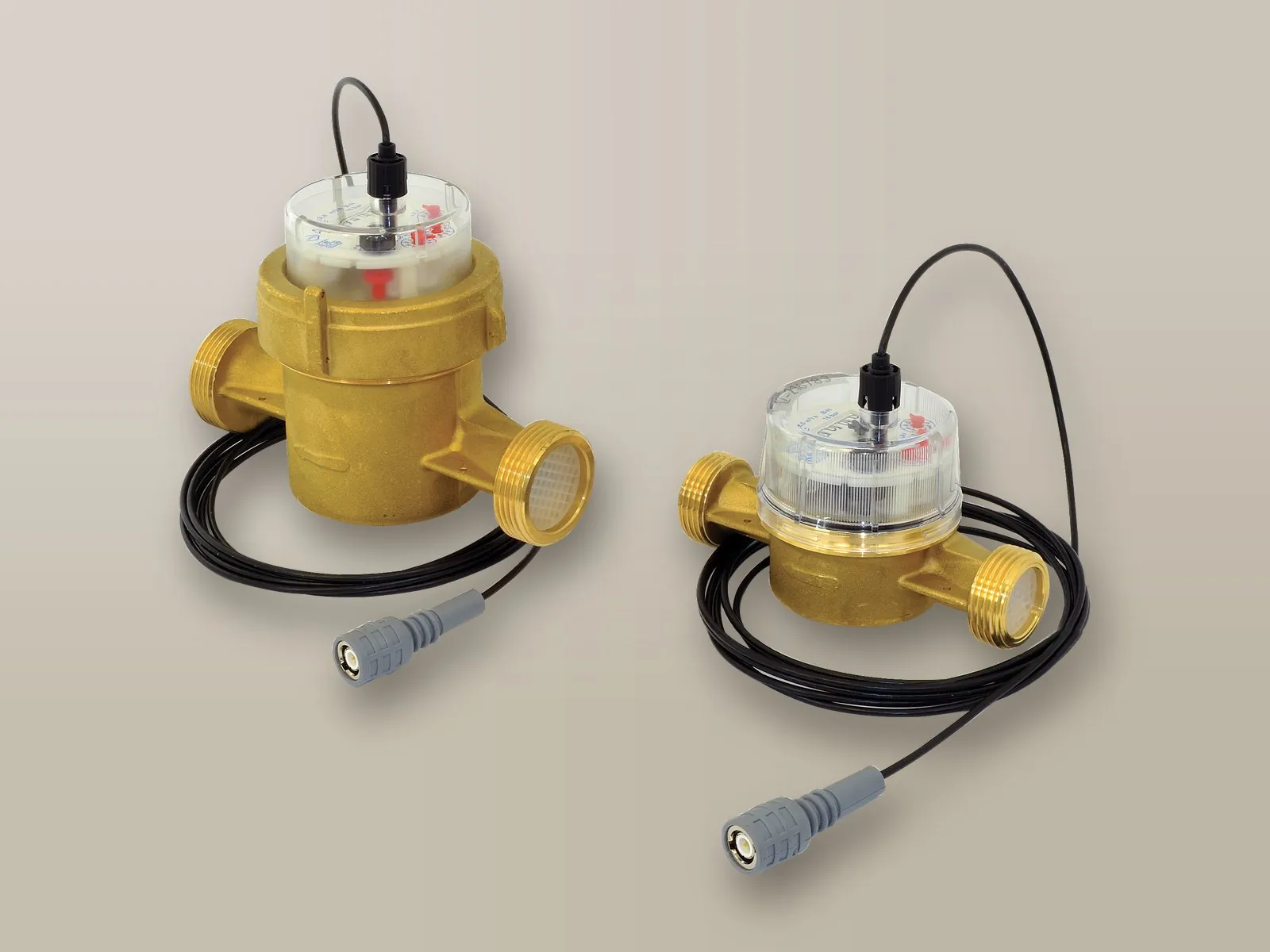
The pulse-output water meter on the pipe controls dosing in proportion to the volume of water; it can also control the film-forming inhibitor pump.
A self-cleaning amperometric cell measures the residual chlorine dioxide in mg/l and controls dosing up to the set point; combined with the water meter, it provides pre-dosing and correction based on the residual.
Amperometric cells →Constant dosing, proportional to a 4/20 mA signal or to the Redox potential measured by an electrode.
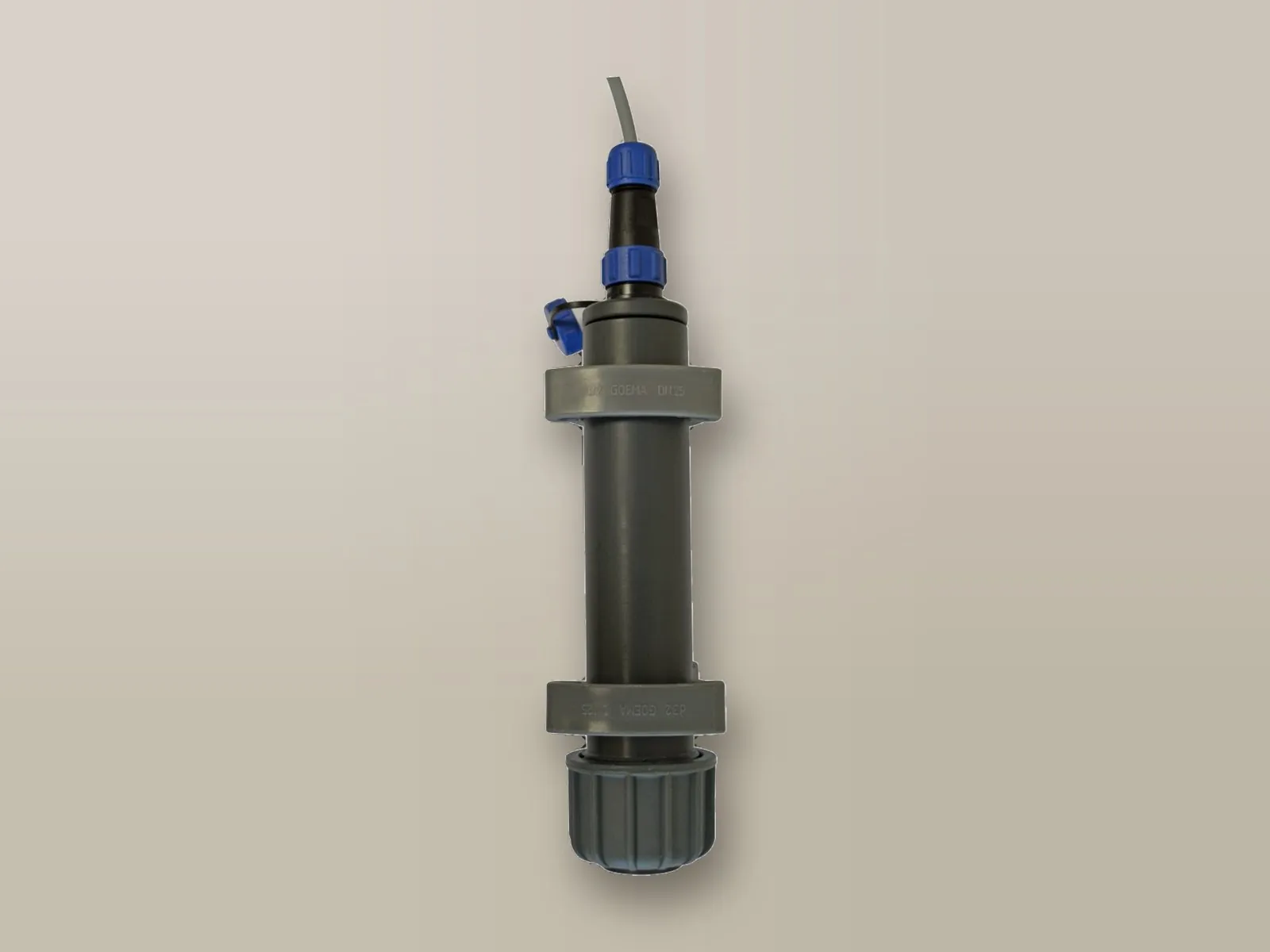
The reaction takes place at ambient pressure and is continuously monitored; in the event of a malfunction, the drain valve discharges the chlorine dioxide.
It detects chlorine dioxide in the air of the room between 0.03 and 5.00 ppm: above the set point it triggers the alarm and stops production and dosing.
The LOTUS systems have received a statement of suitability for the safe management of water systems from INAIL (the Italian National Institute for Insurance against Accidents at Work): their installation allows a reduction of up to 28% in the annual INAIL premium.
Tell us about the system, the water consumption and the current treatment: we will assess whether to use stabilised chlorine dioxide or to generate it on site.
Call or write to us: a technician will reply with a tailored proposal of controllers, pumps, probes and accessories.