Skip to content
Production and dosing

LOTUS EASY, MINI, MAXI and ULTRA

The LOTUS generators produce chlorine dioxide on site from two base chemicals, hydrochloric acid and sodium chlorite (diluted, HCl 9% and NaClO2 7.5%, in EASY, MINI and MAXI; concentrated in ULTRA), in a closed reaction chamber. Production is proportional to the water flow or controlled by a set point, and the solution is dosed directly into the water: no chlorine dioxide is stored outside the process.

  • From 8 to 4,000 g/h of ClO2
  • Solution at 2 g/l (EASY, MINI, MAXI)
  • Reaction at controlled pressure
  • Diluted base chemicals
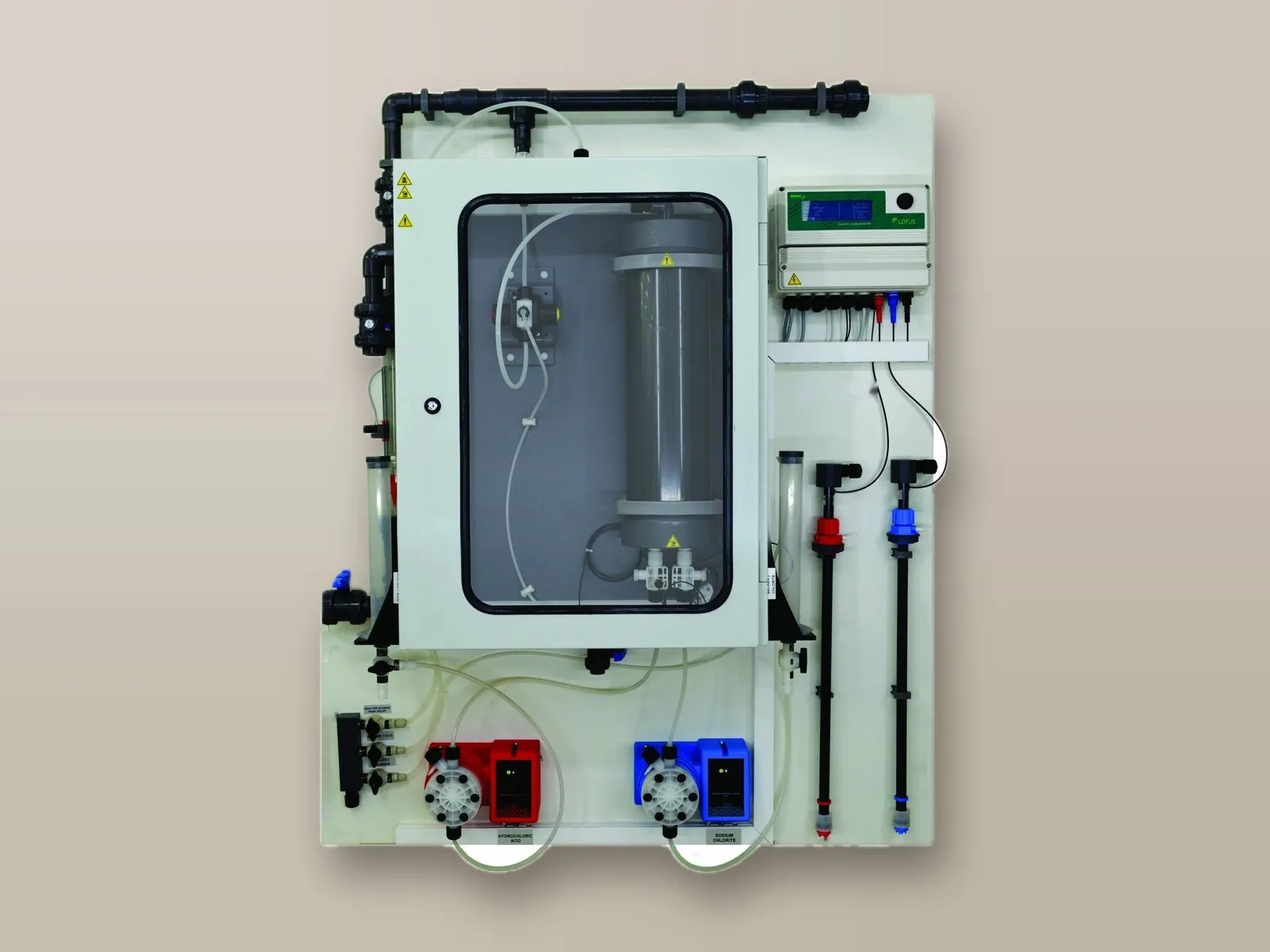
LOTUS EASY chlorine dioxide generator on panel
LOTUS EASY
LOTUS MINI chlorine dioxide generator, open
LOTUS MINI
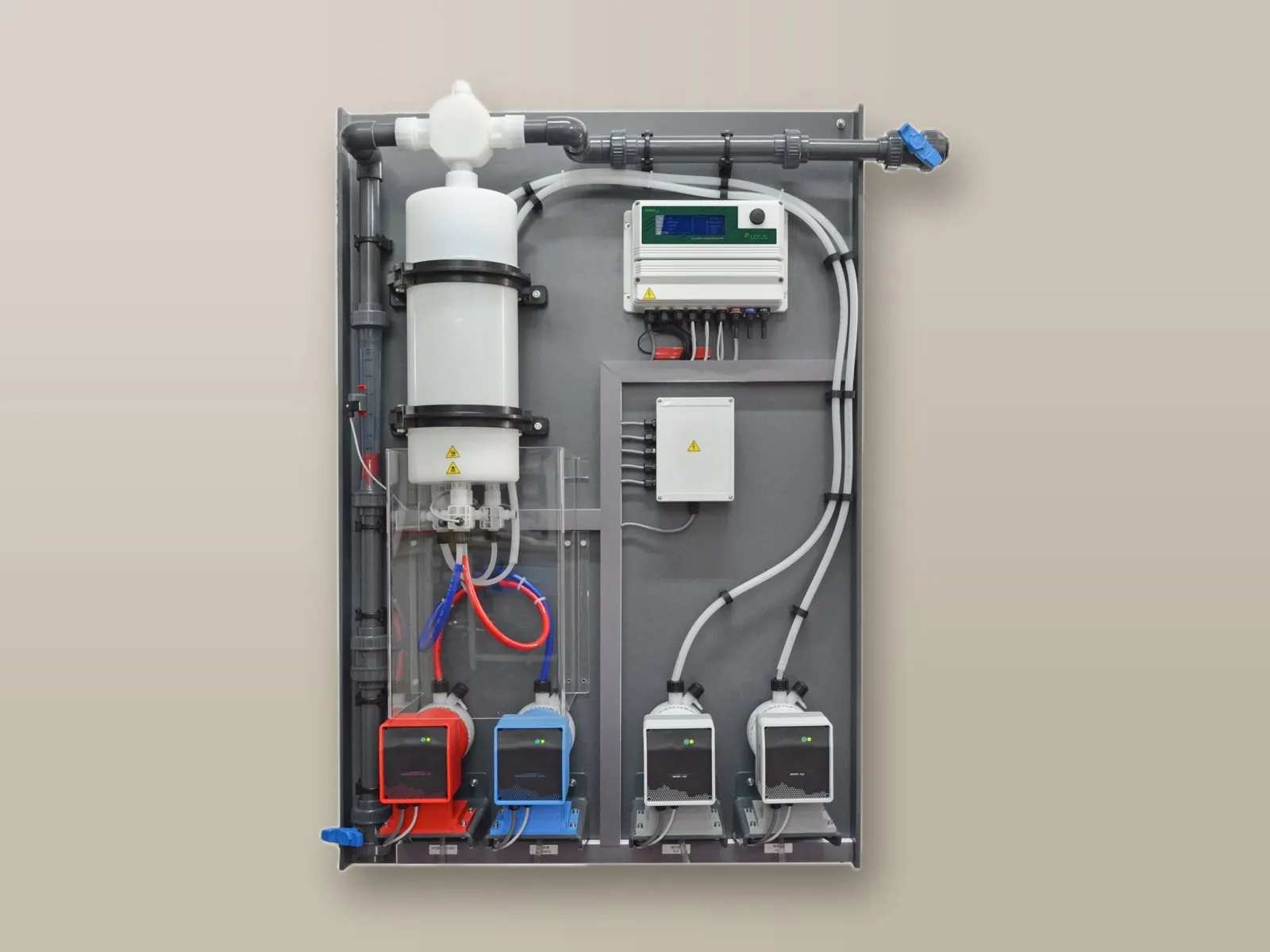
LOTUS MAXI chlorine dioxide generator on panel
LOTUS MAXI
LOTUS ULTRA chlorine dioxide generator on panel
LOTUS ULTRA
8 – 4,000g/hChlorine dioxide
2g/lConcentration
8barMaximum pressure
0 – 45°CWorking temperature
Chlorine dioxide

Why chlorine dioxide

A highly effective oxidant and disinfectant: it acts on all organic species, including Legionella and biofilm, and oxidises iron and manganese. It is used in water supply network storage tanks, in hot water systems of hotels, hospitals and swimming pools, in industry (washing of bottles, fruit and vegetables, cooling towers), in livestock farming and in agriculture.

Insight: the disinfectants used →

Rapid and persistent action

It exerts its disinfecting action in approximately 5 minutes of contact and remains in solution for a long time, reaching even the most remote or stagnant areas of the system, with a residual effectiveness greater than that of other disinfectants.

Action on biofilm

It destroys biofilm, which offers shelter and nourishment to bacteria such as Legionella, and counteracts its re-formation, with an effectiveness considerably greater than that of sodium hypochlorite.

No halogenated by-products

It does not alter the odour, taste or colour of the water, is active between pH 4 and 10, does not form trihalomethanes or organohalogen compounds and does not react with ammonia, thus avoiding the formation of chloramines.

Recommended concentration against Legionella: 0.1 – 1.0 mg/l, depending on the system, the water and the level of contamination. In the event of high contamination, a temporary flushing of the network with 5 – 10 mg/l (shock treatment) is possible, prohibiting the use of hot water and subsequently bringing the concentration back to operating values.
4 models

The models

LOTUS EASY
8 – 80 g/h

LOTUS EASY

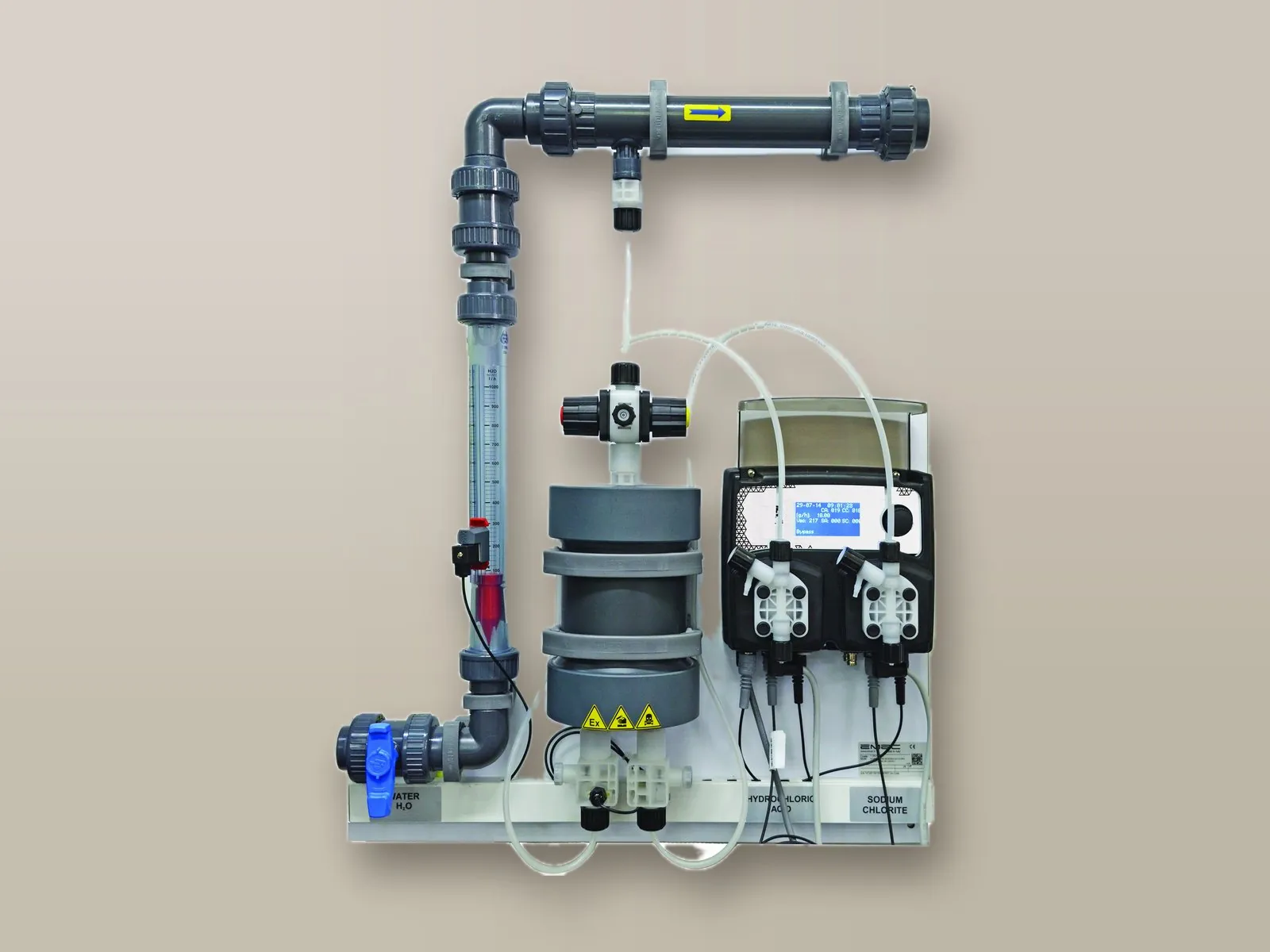
The simple, professional way to produce chlorine dioxide: an all-in-one controller with two metering pumps, mounted on a 600 × 800 mm panel with by-pass line.

LOTUS MINI
8 – 20 g/h

LOTUS MINI

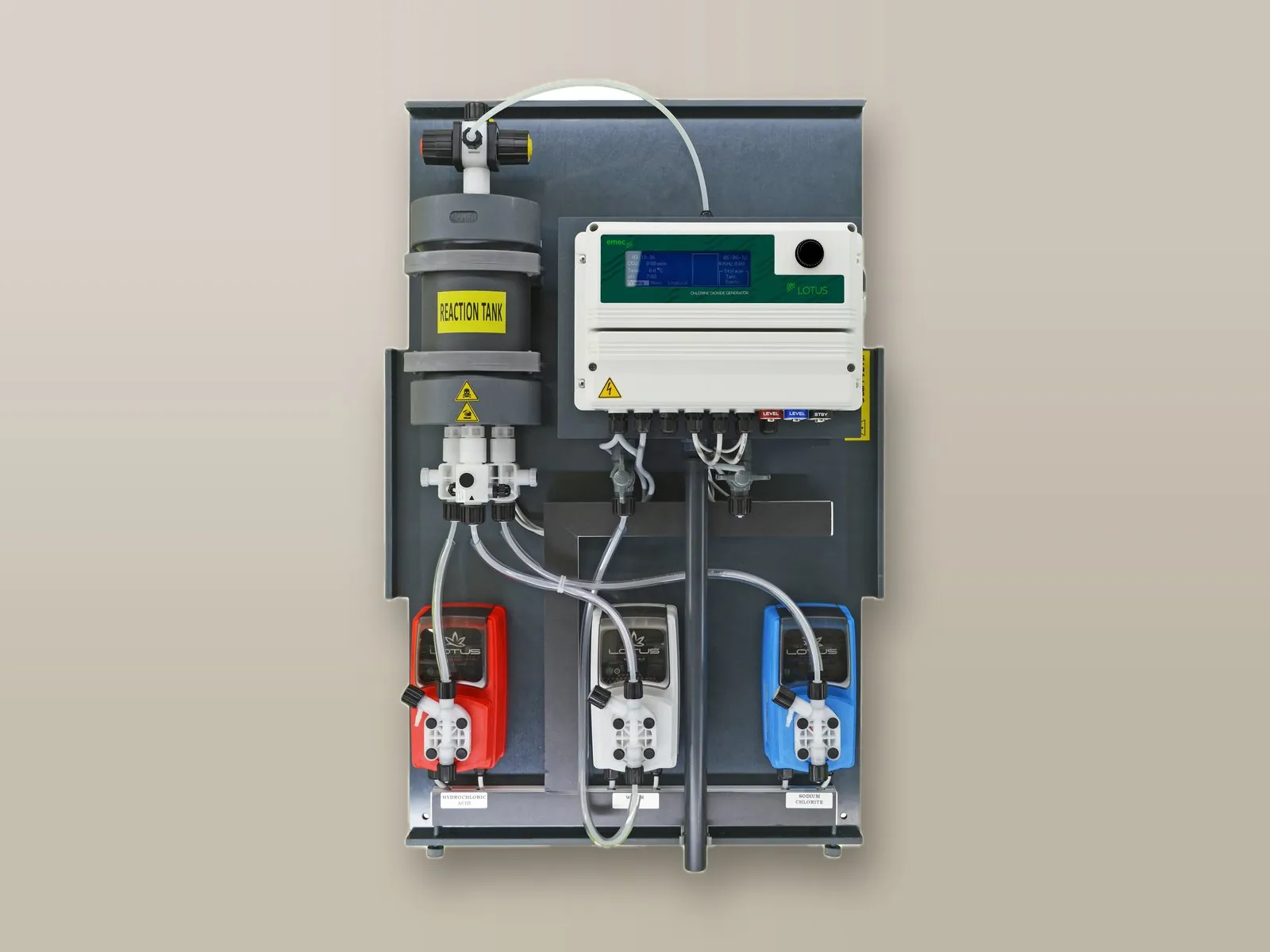
Compact generator in an ASA enclosure, with three metering pumps for hydrochloric acid, sodium chlorite and dilution water. Also available with chlorine dioxide measurement (SCL2 cell for cold water, SCL17 for hot water) or ORP measurement (ERH electrode), with probe holder and filter.

LOTUS MAXI
80 – 1,000 g/h

LOTUS MAXI

The largest generator of the range, for the high chlorine dioxide production required by large water treatment plants.

LOTUS ULTRA
1,000 – 4,000 g/h

LOTUS ULTRA

For the highest productions: it works with concentrated hydrochloric acid (33%) and sodium chlorite (25%), pumped in the right proportion into a pressurised reactor. Production is constant, set in grams per hour, proportional to a pulse water meter or to a mA signal.

Generated on site

Difference between stabilised and generated on site

Chlorine dioxide is an unstable compound, subject to rapid degradation: it is used in stabilised form or generated directly at the point of use.

Insight: chlorine dioxide →

Stabilised

Stabilised chlorine dioxide is activated by the user with a second product and must be used within approximately 30 days, with decreasing effectiveness; after the container has been opened, chlorites and chlorates may form. It is dosed with dosing stations or with the LDsCL system.

LDsCL system →

Generated on site with LOTUS

The precursors, hydrochloric acid and sodium chlorite (diluted, HCl 9% and NaClO2 7.5%, in EASY, MINI and MAXI; concentrated in ULTRA), cost considerably less than stabilised chlorine dioxide; generation on demand ensures an always fresh product, with virtually no by-products.

Reaction

Formation of chlorine dioxide

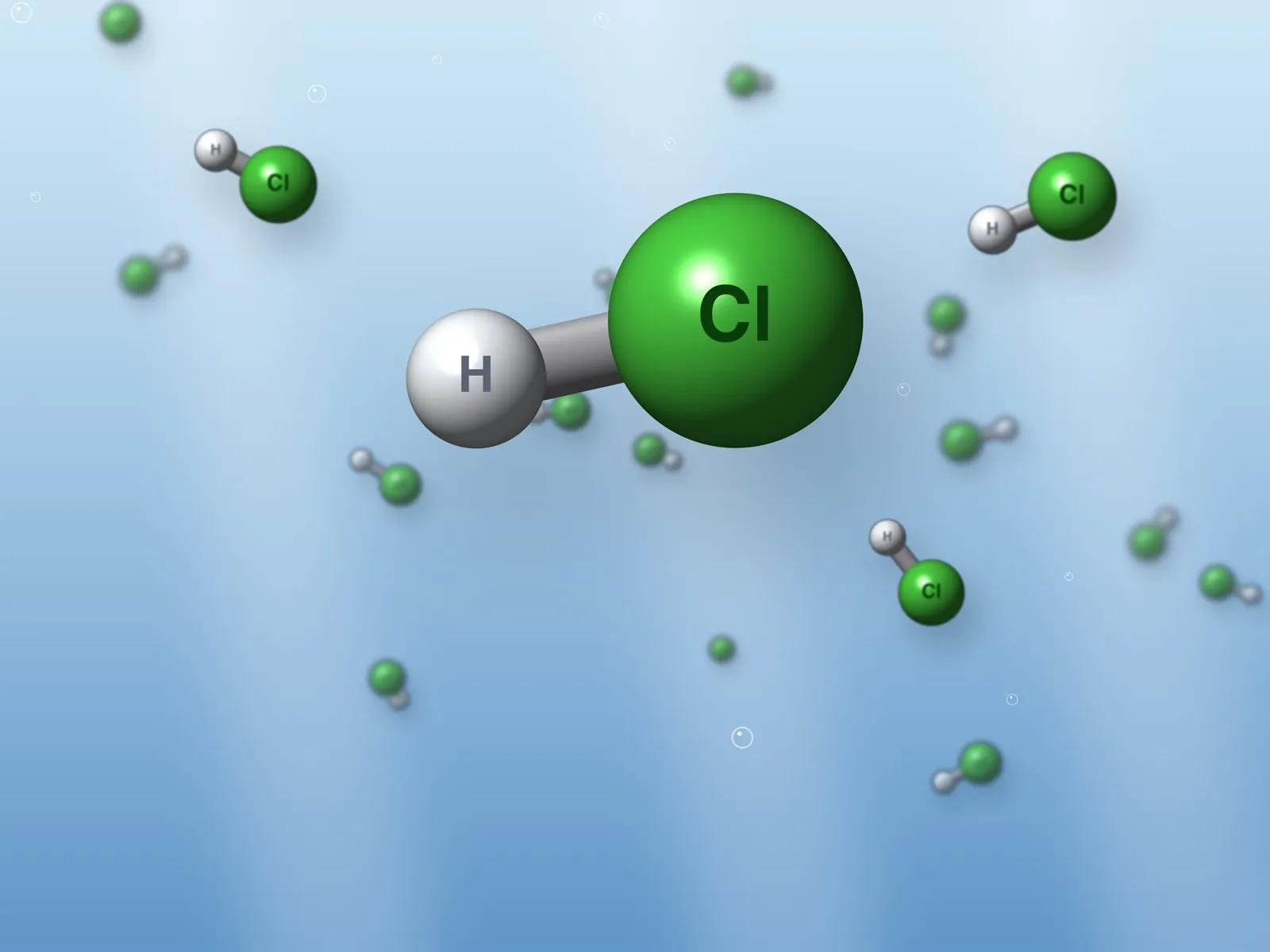
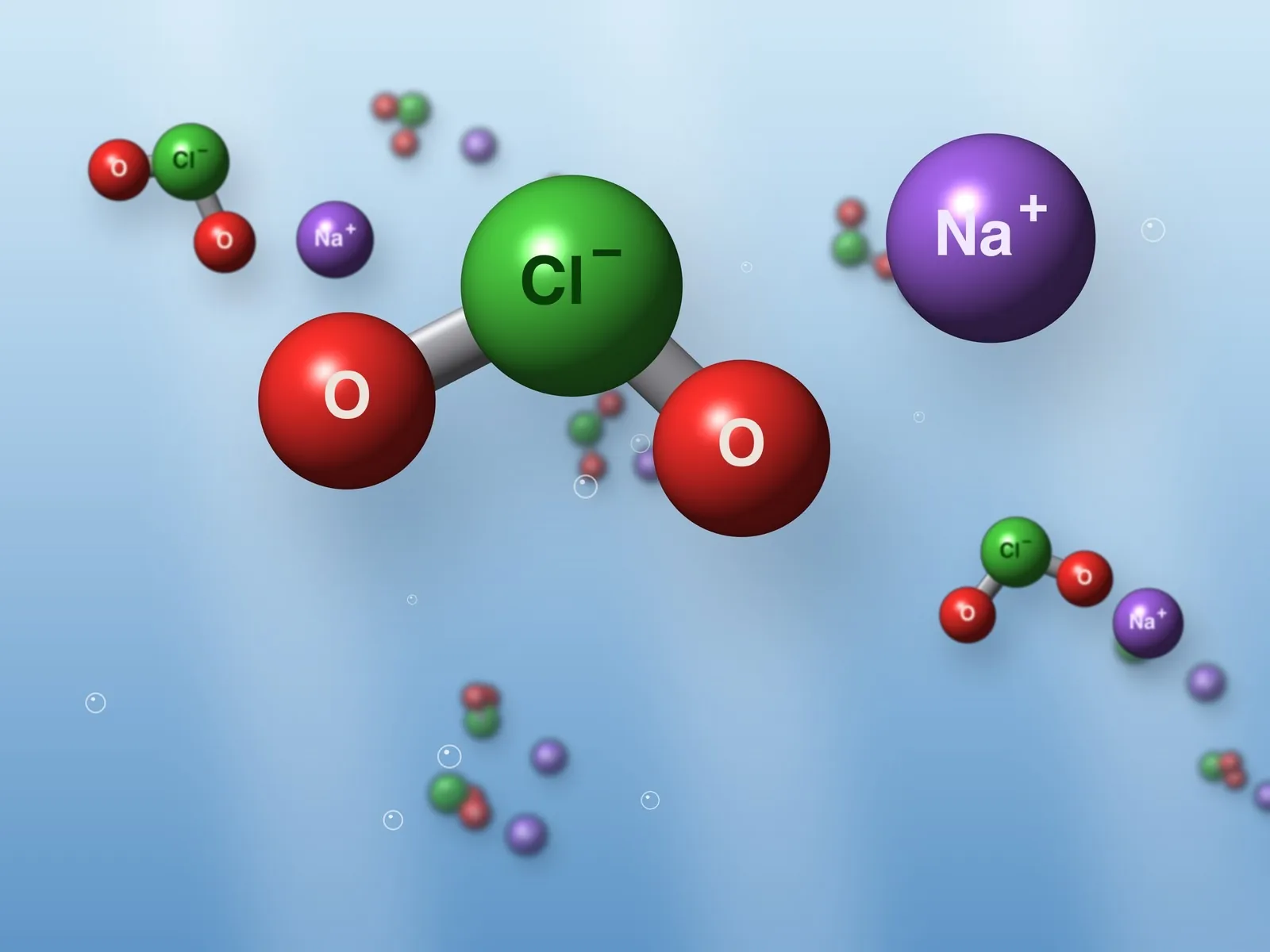
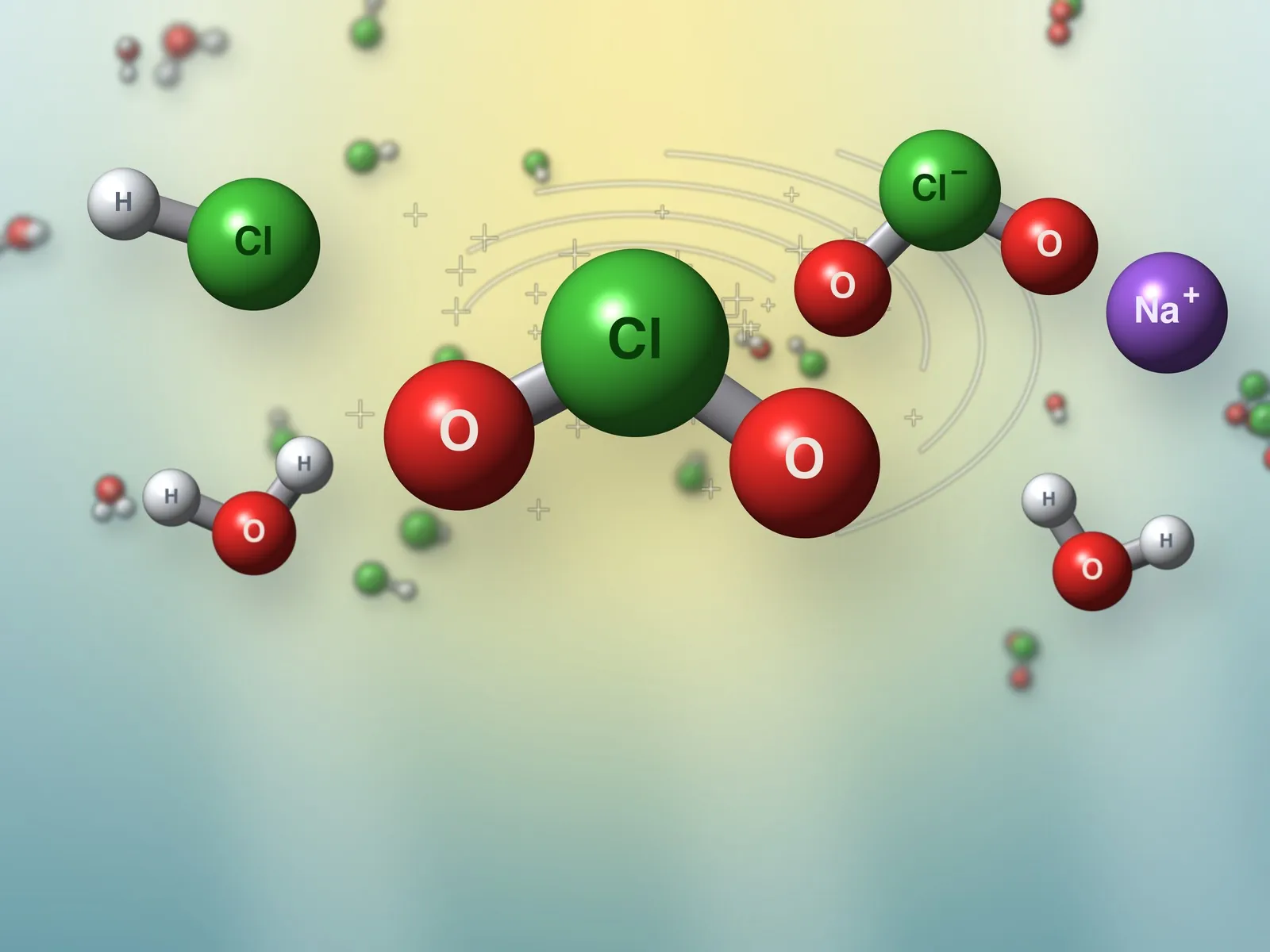
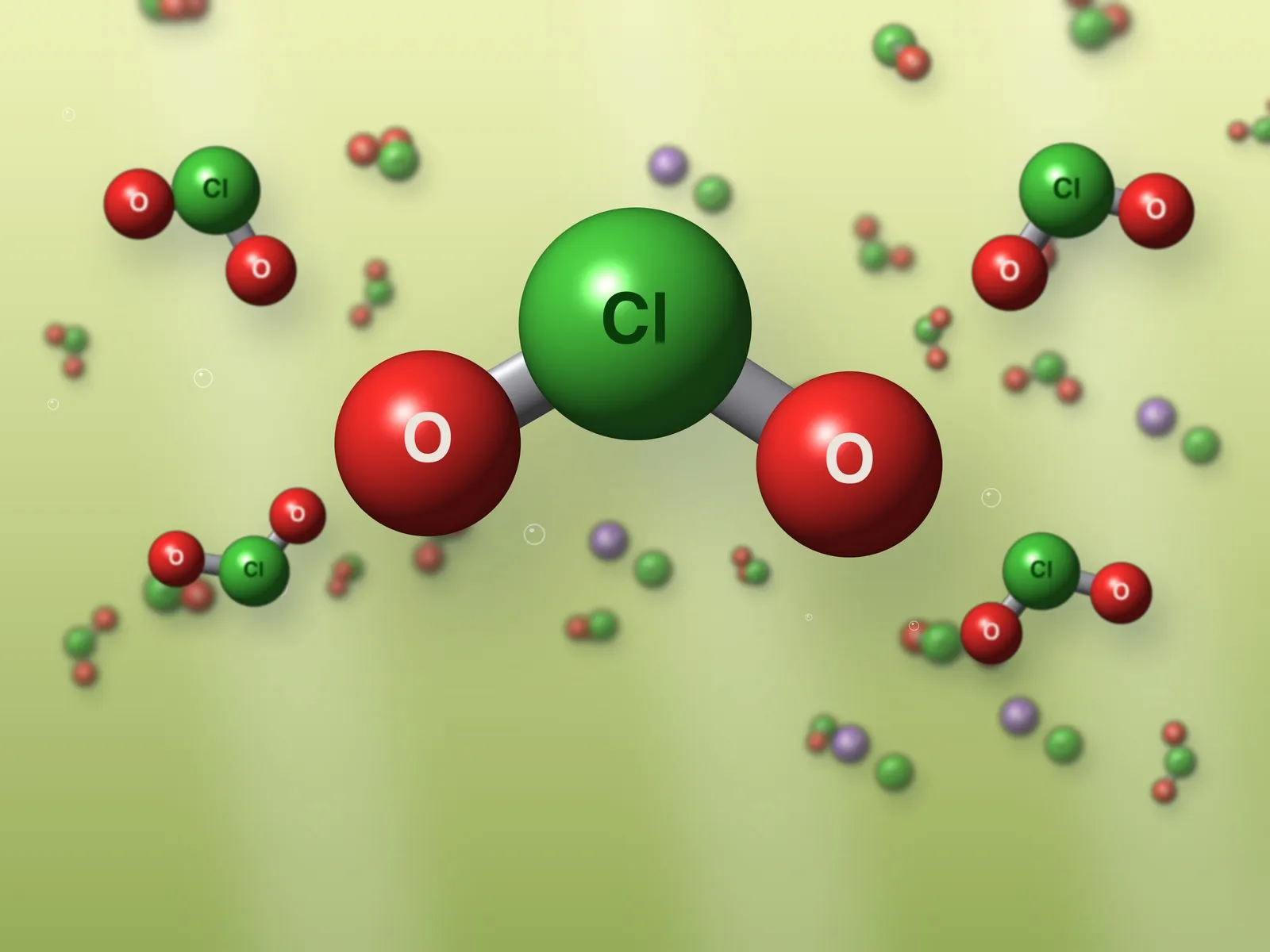
In the closed reaction chamber, the water and the two precursors react, forming chlorine dioxide.

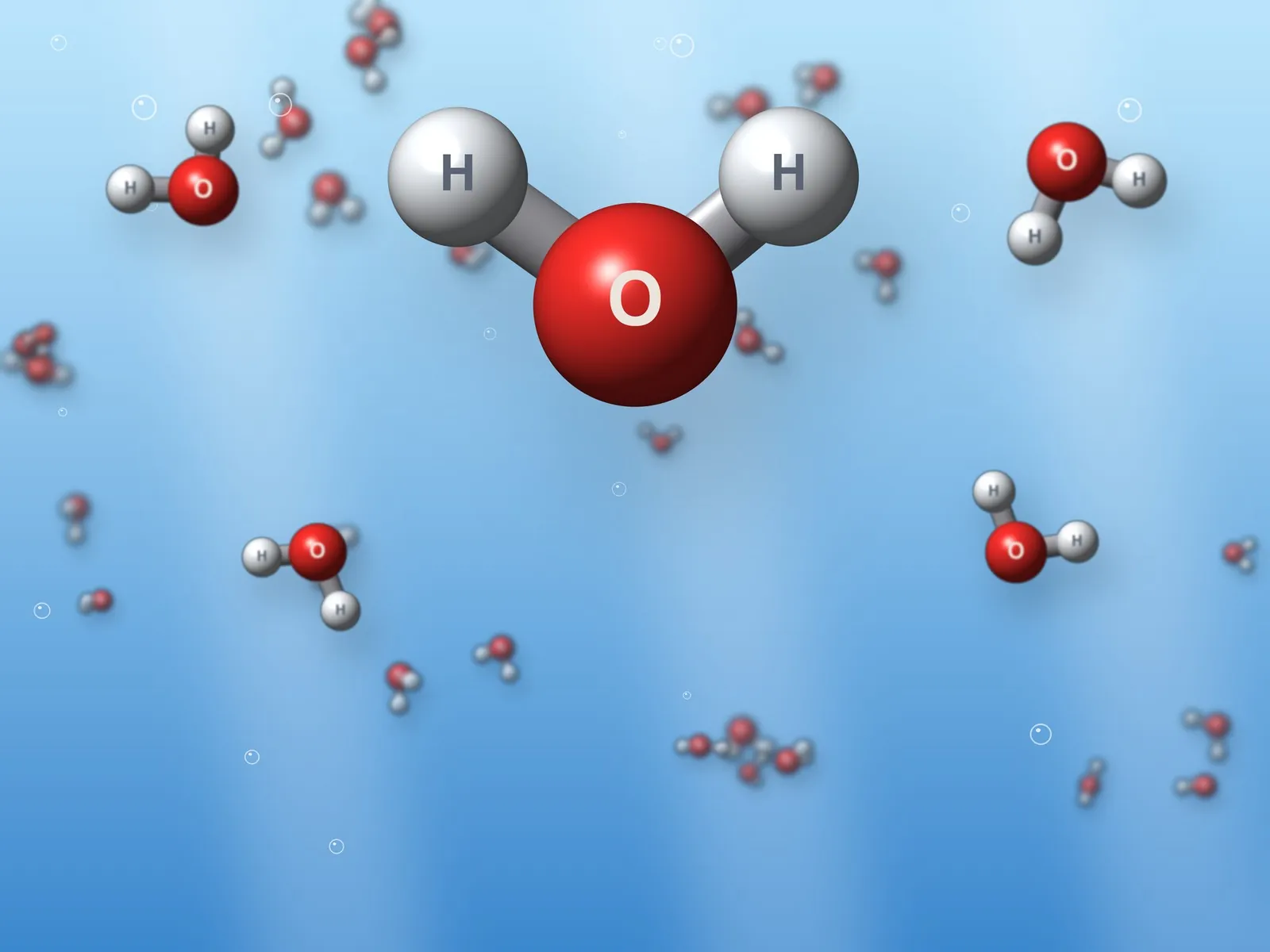
Illustration: H2O water molecules
1

Water

Water carries the reaction products: in the LOTUS EASY it flows through the by-pass line, in MINI, MAXI and ULTRA a dedicated metering pump (grey) feeds the dilution water.

The reaction: 5 NaClO2 + 4 HCl → 4 ClO2 + 5 NaCl + 2 H2O.

Advantages

Advantages of the LOTUS range

Controlled pressure

The reaction takes place in a closed chamber at controlled pressure; multifunction valves on the injection points protect the chamber.

No losses

The closed reaction chamber avoids any loss of chlorine dioxide and gives a highly stable solution.

Diluted chemicals

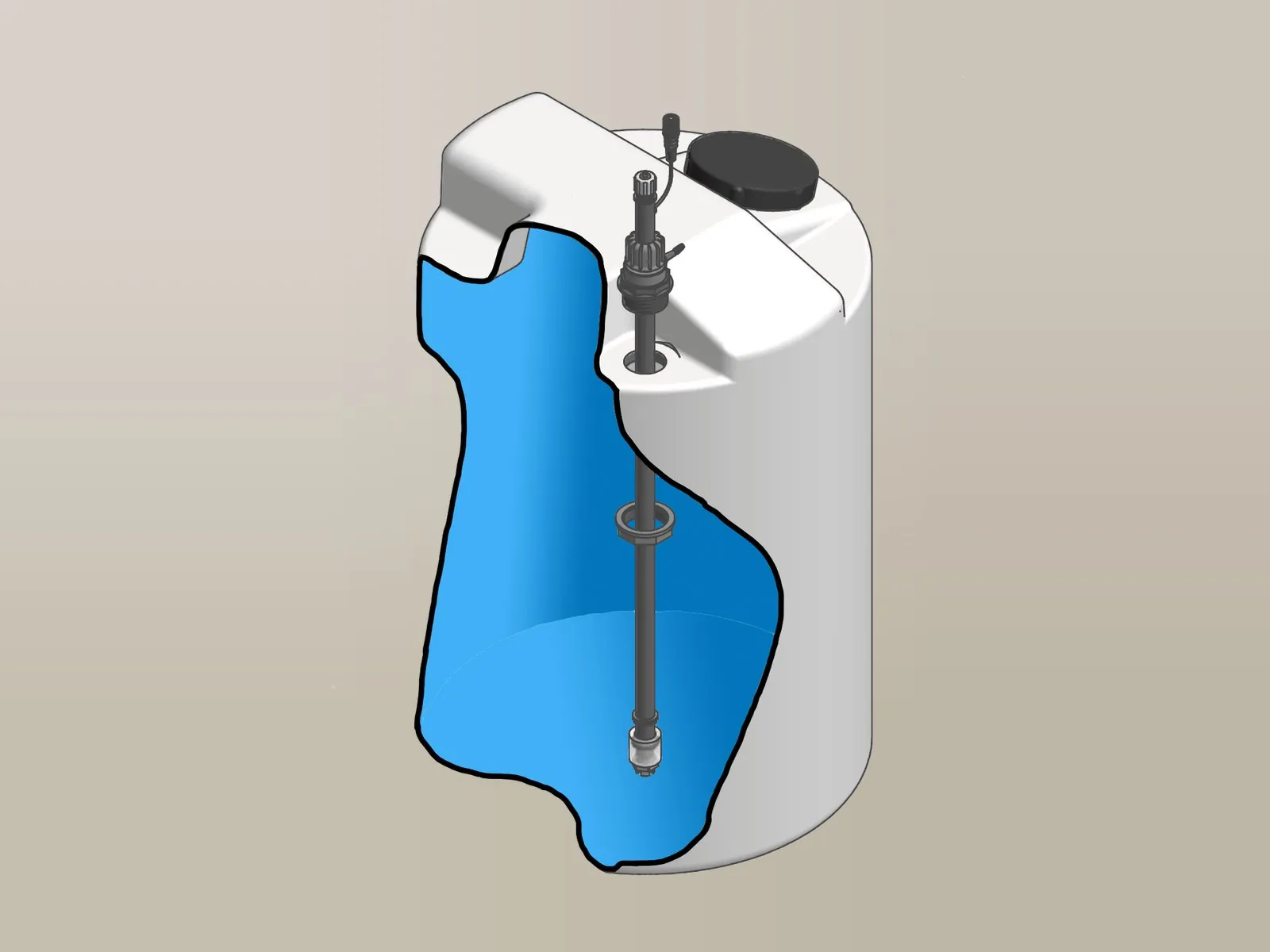
Hydrochloric acid 9% and sodium chlorite 7.5%, drawn from their tanks by suction lances with level switches that stop the pumps when a tank is empty.

Instant production

Chlorine dioxide is produced only when needed, proportional to the water flow or to a set point, and dosed straight into the water.

Control

Production control

Chlorine dioxide production follows the water flow or a measured value; the versions with probe measurement (MINI, MAXI and ULTRA) regulate it on the residual or on the Redox potential.

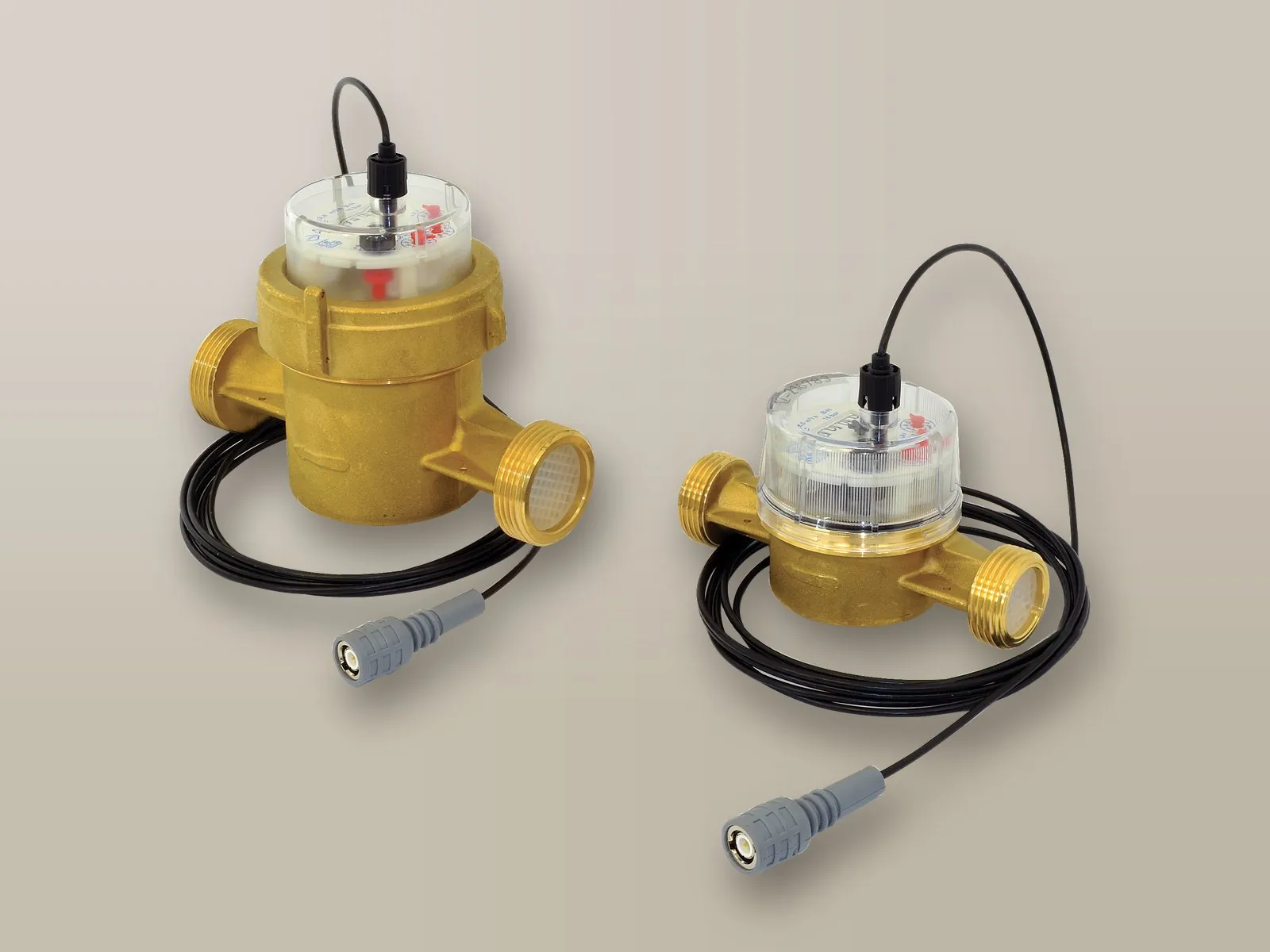
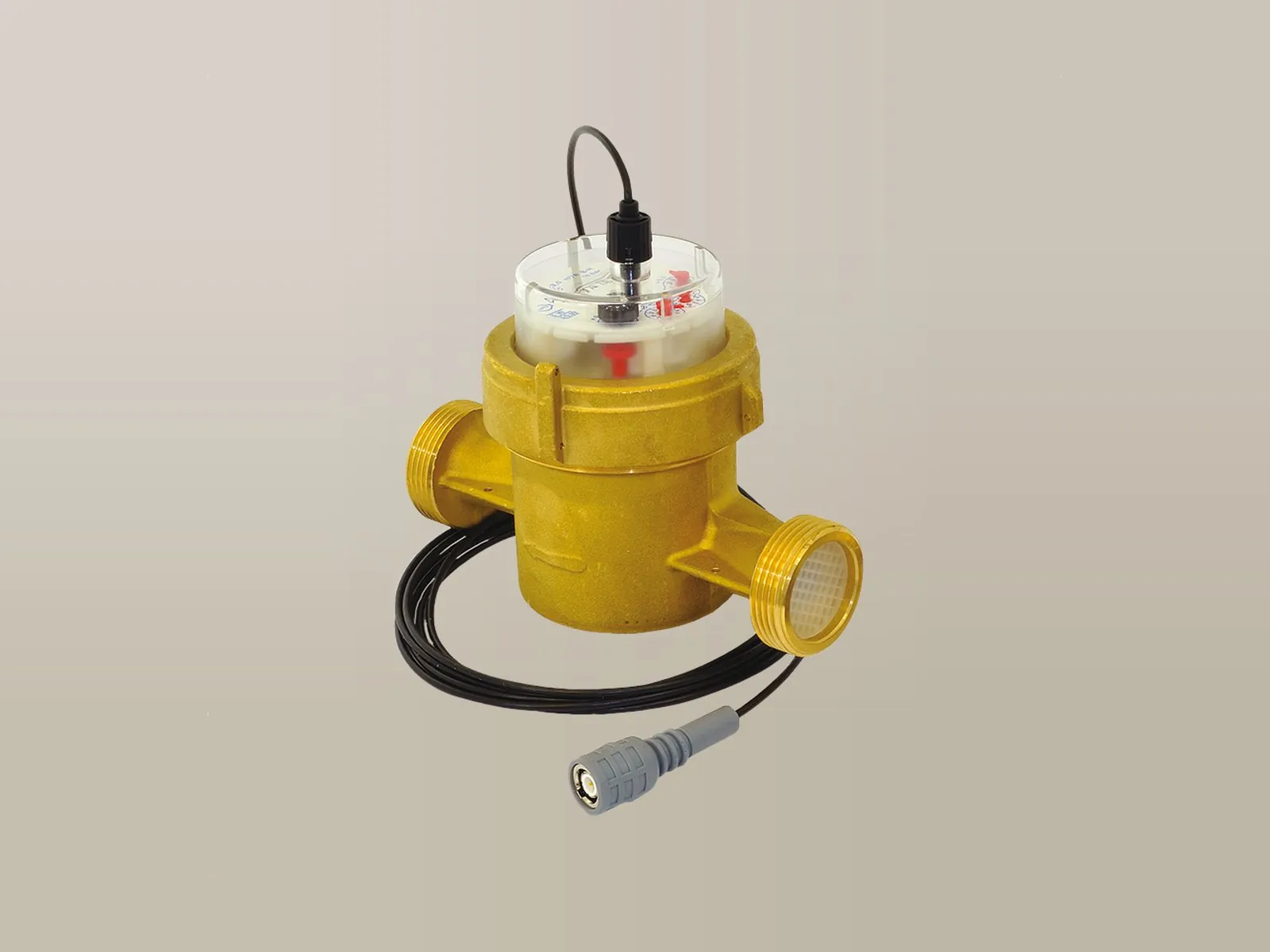
Turbine pulse-output water meters

Proportional to the water flow

Production follows the circulating water flow, measured by a pulse-output water meter or by a 0/4 – 20 mA signal: available on all models.

Water meters →
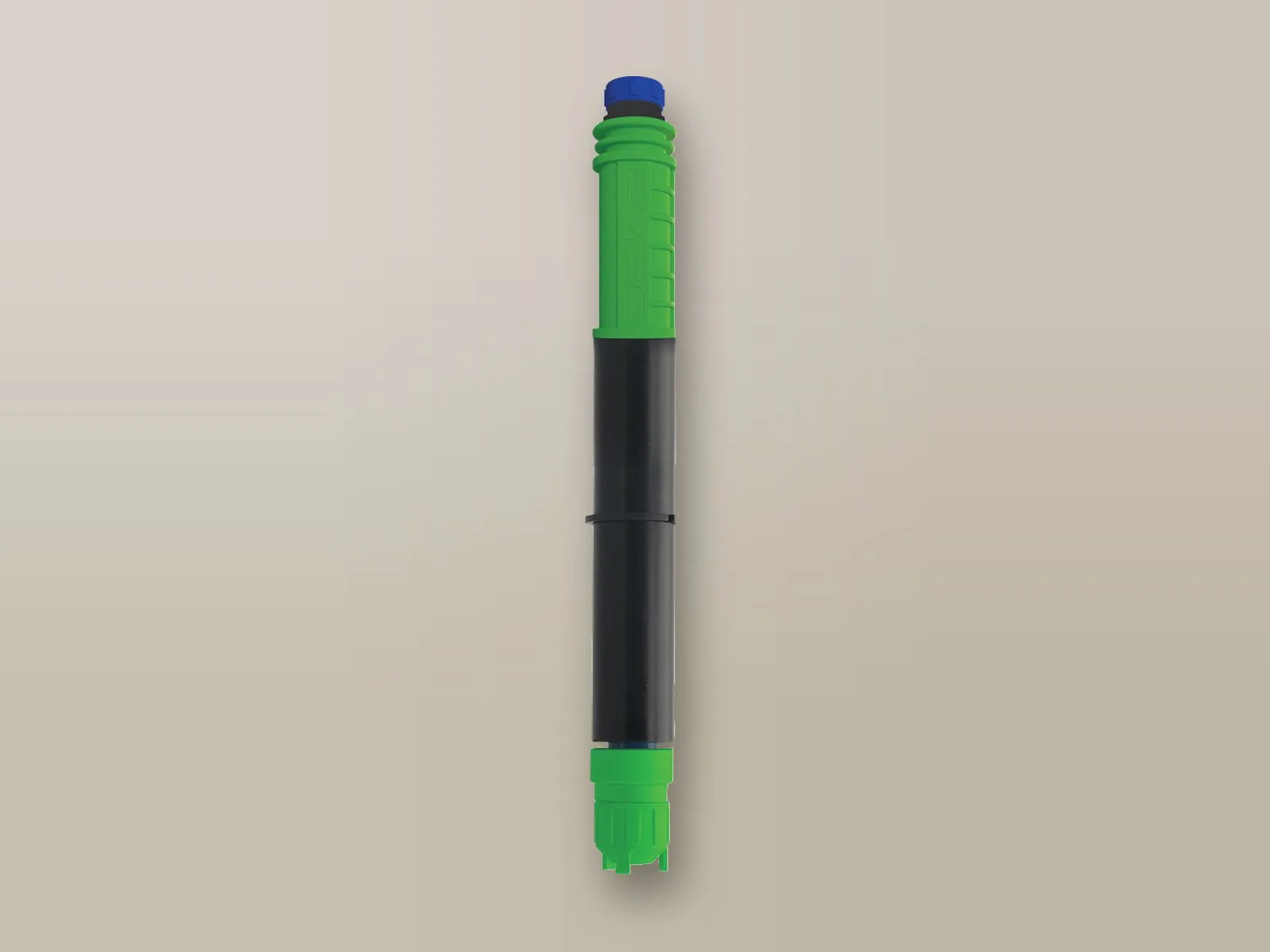
Chlorine dioxide measuring cell

On the residual chlorine dioxide

The set point is set in mg/l: the closed amperometric cell, SCL2 for cold water or SCL17 for hot water, regulates production (MINI, MAXI and ULTRA with probe measurement).

SCL cells →
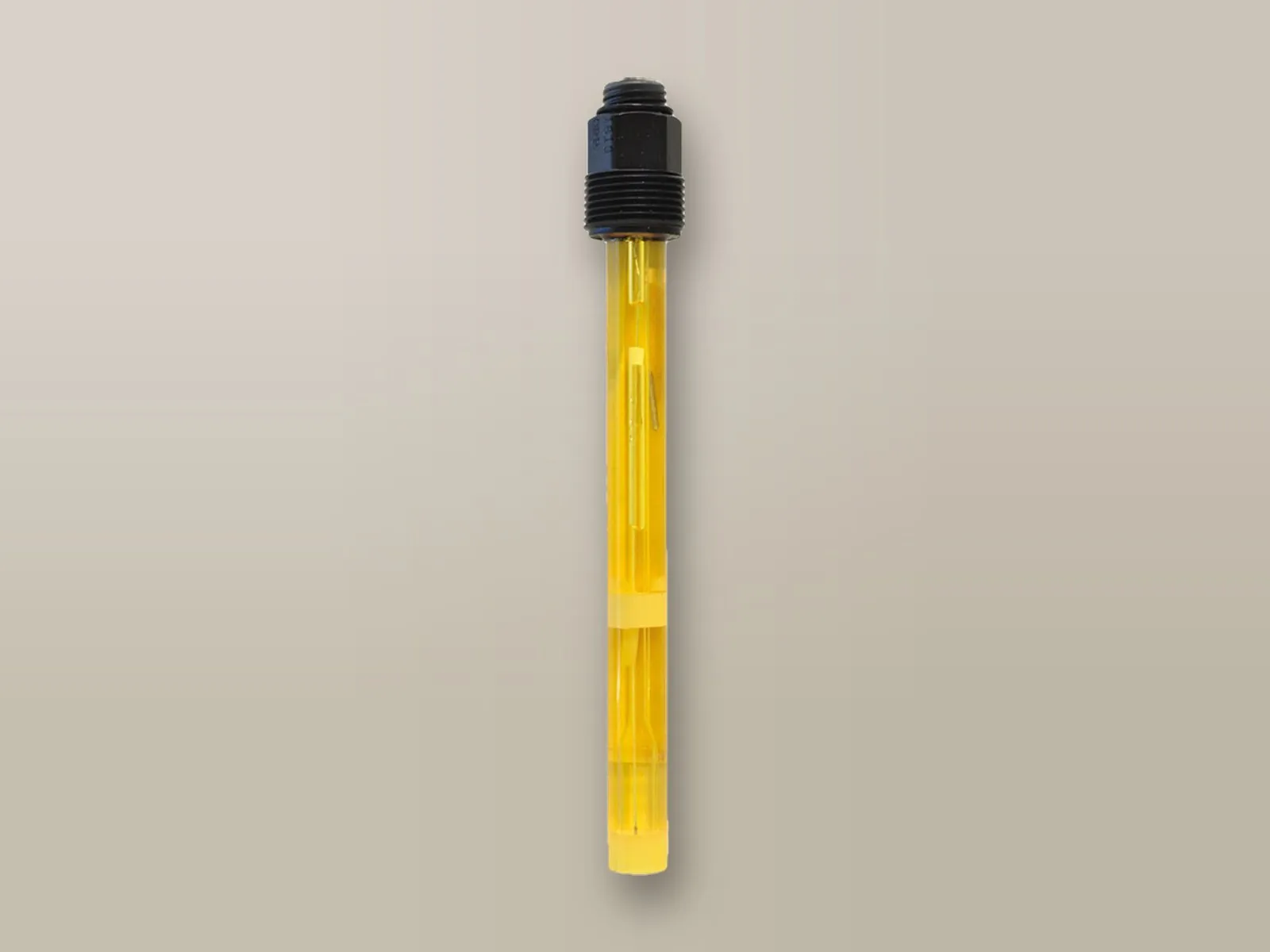
Redox electrode

On the Redox potential

The set point is set in mV: the ERH Redox electrode regulates production until the set value is reached (MINI, MAXI and ULTRA with probe measurement).

Redox electrodes →
Safety

Safety and monitoring

Level alarms

The suction lances of the precursors have level probes: when a tank is empty the pumps stop and the controller signals the alarm.

Dosing check

SEFL flow sensors on the pumps check that each chemical is actually dosed; flow alarm input and stand-by input on the controller.

Gas sensor

Detection of chlorine dioxide in the air of the installation room: optional on all models.

Data and remote control

Real-time production data, alarm log stored without battery and service due date; USB data log, Wi-Fi, Ethernet, mobile modem and Modbus as options.

Technical data

Technical data

LOTUS EASY

EASY 8EASY 20EASY 40EASY 80
ClO2 max capacity8 g/h20 g/h40 g/h80 g/h
ClO2 max capacity (24 h)192 g/day480 g/day960 g/day1,920 g/day
Max chemicals consumption (HCl / NaClO2)0.2 / 0.2 l/h0.5 / 0.5 l/h1.0 / 1.0 l/h2.0 / 2.0 l/h
Max pressure8 bar8 bar8 bar8 bar
Concentration2 g/l2 g/l2 g/l2 g/l
Power supply230 VAC (190 – 265) or 115 VAC (90 – 135)

LOTUS MINI

MINI 8MINI 20
ClO2 max capacity8 g/h20 g/h
ClO2 max capacity (24 h)192 g/day480 g/day
Max chemicals consumption (HCl / NaClO2)0.2 / 0.2 l/h0.5 / 0.5 l/h
Max working pressure8 bar8 bar
Max water inlet pressure5 bar5 bar
Concentration2 g/l2 g/l
Max power consumption60 W66 W
Versionswithout measurement, ERH, SCL2, SCL17without measurement, ERH, SCL2, SCL17

LOTUS MAXI

MAXI 80MAXI 160MAXI 240MAXI 400MAXI 600MAXI 1000
ClO2 max capacity80 g/h160 g/h240 g/h400 g/h600 g/h1,000 g/h
Max pressure8 bar8 bar8 bar8 bar5 bar4 bar
Max chemicals consumption (HCl / NaClO2)2 / 2 l/h4 / 4 l/h6 / 6 l/h10 / 10 l/h15 / 15 l/h25 / 25 l/h
Power consumption44 W44 W44 W56 W96 W96 W
Concentration2 g/l2 g/l2 g/l2 g/l2 g/l2 g/l

LOTUS ULTRA

ULTRA 1000ULTRA 2000ULTRA 3000ULTRA 4000
ClO2 max capacity1,000 g/h2,000 g/h3,000 g/h4,000 g/h
Max working pressure5 bar5 bar5 bar2 bar
Max chemicals consumption6.1 l/h12.2 l/h18.3 l/h24.4 l/h
Chemicalsacid 33%, chlorite 25%acid 33%, chlorite 25%acid 33%, chlorite 25%acid 33%, chlorite 25%
Max power consumption150 W150 W150 W150 W
Applications

Applications

Drinking water

Raw water from wells and springs, private and from public water supply networks.

Insight: well water →

Hot water and Legionella control

Domestic water circuits of hotels and accommodation facilities, hospitals, care homes and swimming pools.

Industry

Process water, food washing, cooling towers.

Wastewater

Municipal and industrial wastewater.

Accessories

Accessories for the installation

Components complementary to the generator for the installation on the water line.

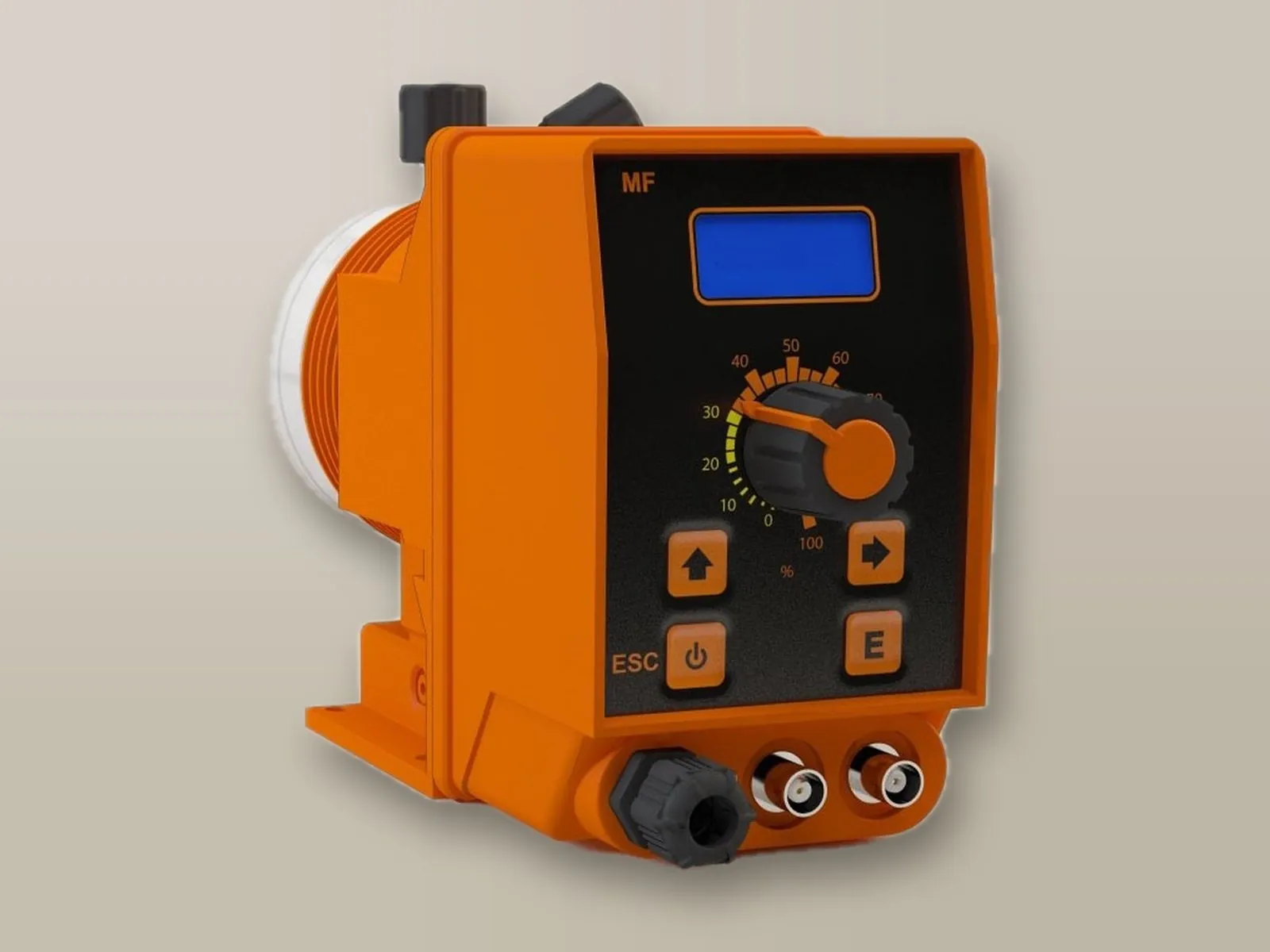
KMS MF multifunction dosing pump

Dosing pumps

For the film-forming inhibitor or other chemicals dosed together with the chlorine dioxide.

Dosing pumps →
Turbine pulse-output water meter

Pulse-output water meter

Installed on the water line, it measures the flow and makes chlorine dioxide production proportional to it.

Water meters →
Tank with suction lance and level probe

Tanks with suction lance

For the precursors, with suction lance and level probe for signalling when the chemical has run out.

Lances →
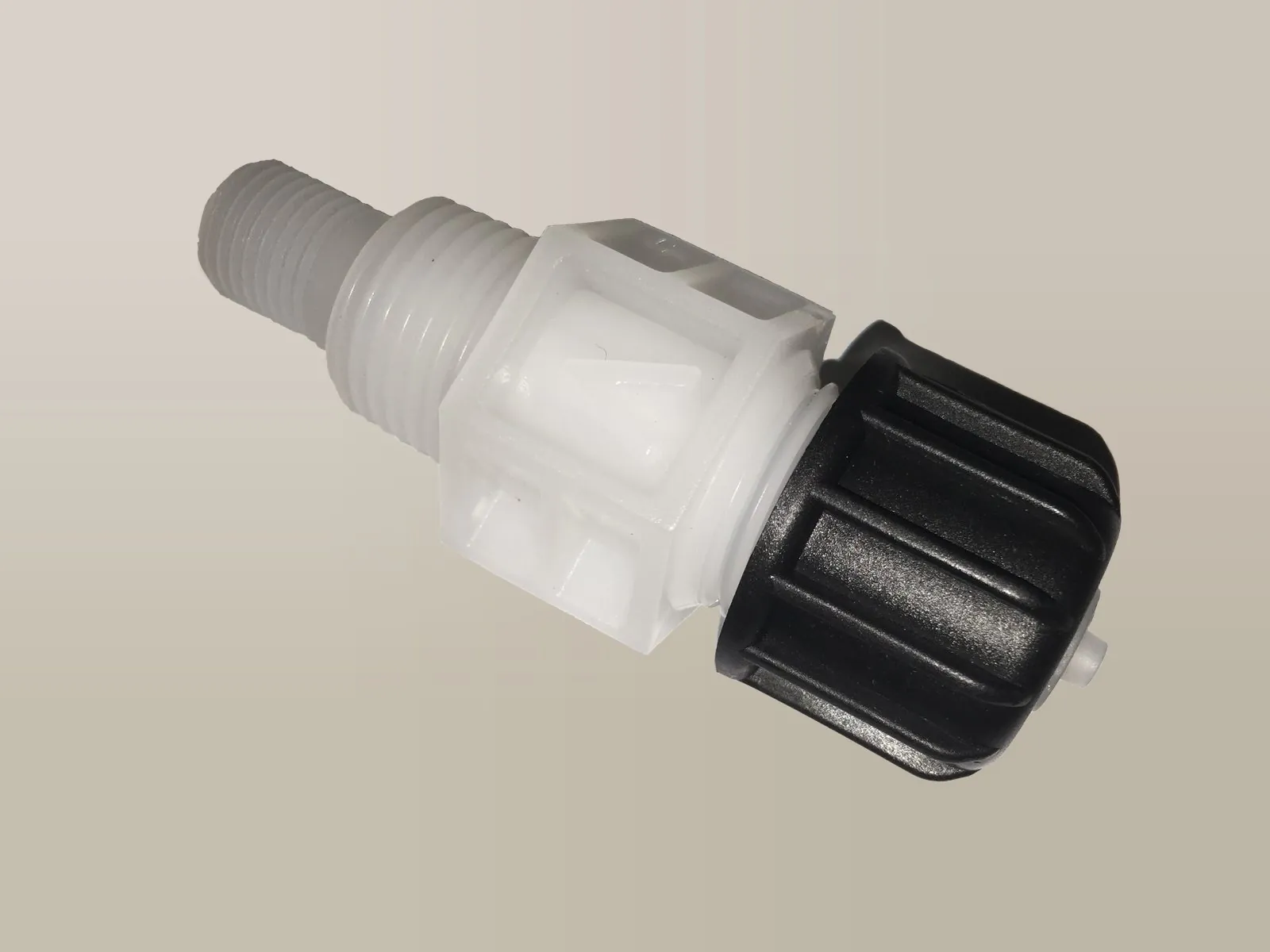
Injection valve

Injection valve

It injects the chlorine dioxide into the pipe and prevents backflow of the water.

Injection →
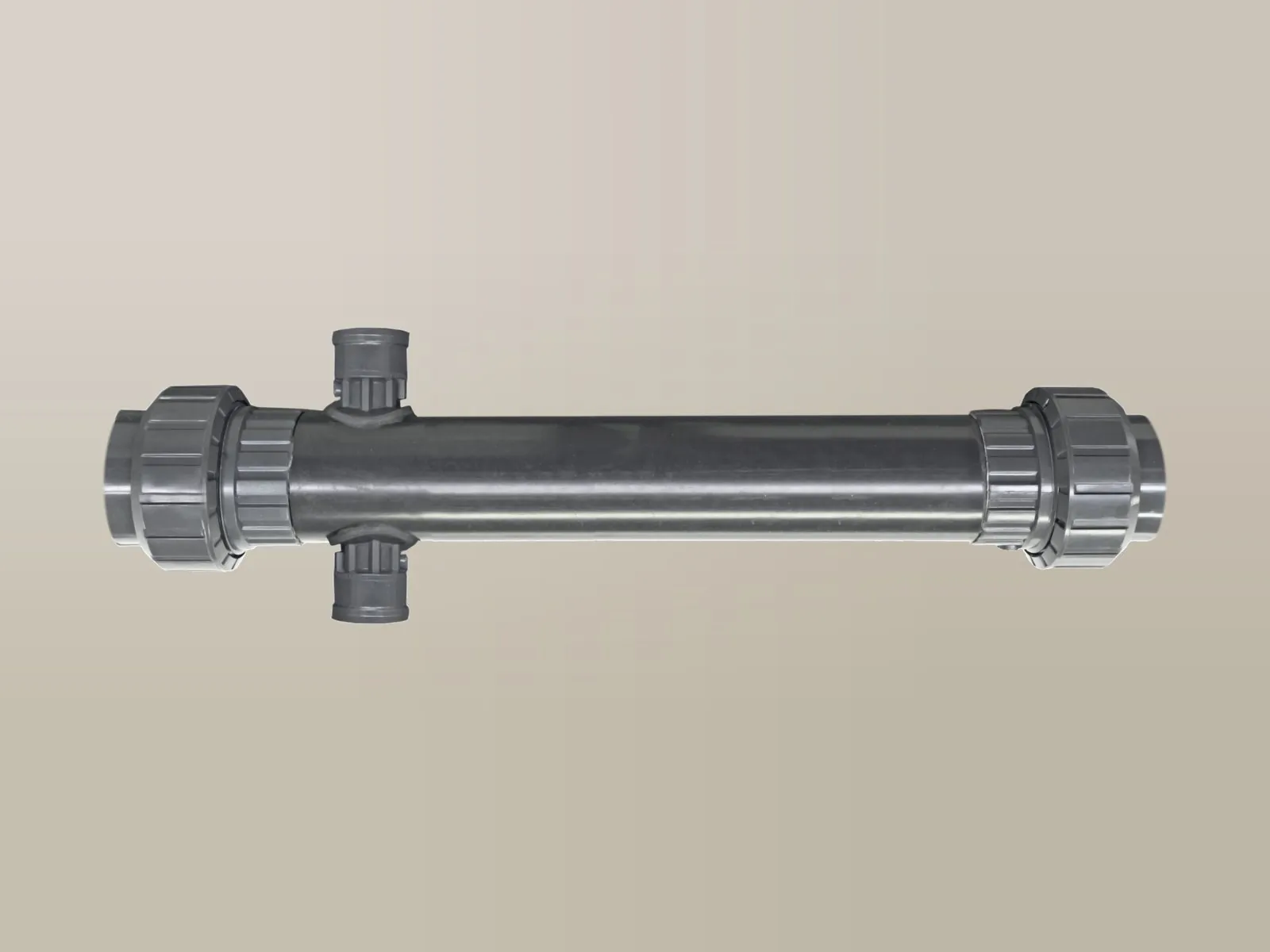
Static mixer with two inlets

Static mixer

It ensures the dispersion of the chlorine dioxide in the water and protects the pipe from direct contact with the product.

Mixers →
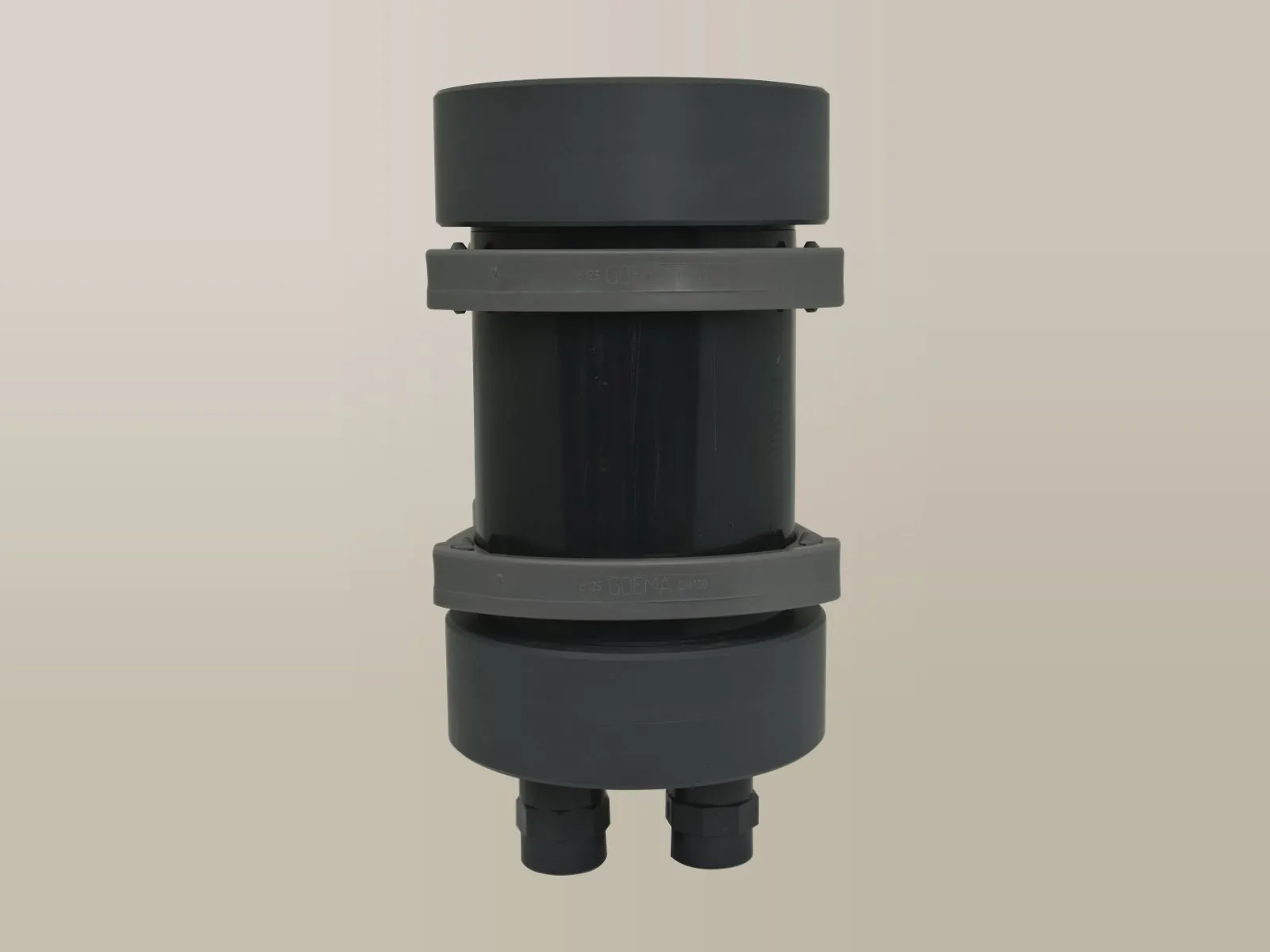
Pulsation dampener

Pulsation dampener

It attenuates the pulsations of the dosing pump.

Dampeners →

Technical advice

Tell us the water flow to be treated and the application: we will propose the right LOTUS generator.

Contact

Tell us about your plant

Call or write to us: a technician will reply with a tailored proposal of controllers, pumps, probes and accessories.

What do you need?
Please enter your name.
Please enter a valid email address.
Please enter your message.

Describe your plant: type, water volume or flow rate, parameters to be controlled.

You must accept the privacy notice to continue.