Physico-chemical part
Indicates the physical treatments required: filtration, reduction of nitrates, hardness, iron and manganese.
Water from wells, springs or natural reservoirs may be contaminated by seepage from polluted soil, inadequately treated discharges, animal waste and pesticides: to meet drinking water requirements it must be treated and disinfected, and a disinfectant residual must protect it along the distribution network up to the points of use. Effectiveness depends on the disinfectant, on pH, on the pollutants present and on a reliable measurement of the residual.

Before using the water, a physico-chemical and bacteriological analysis should be carried out to determine the treatment required to make it drinkable. Using untreated water for drinking or personal hygiene can cause gastrointestinal disorders, infections and other serious illnesses.
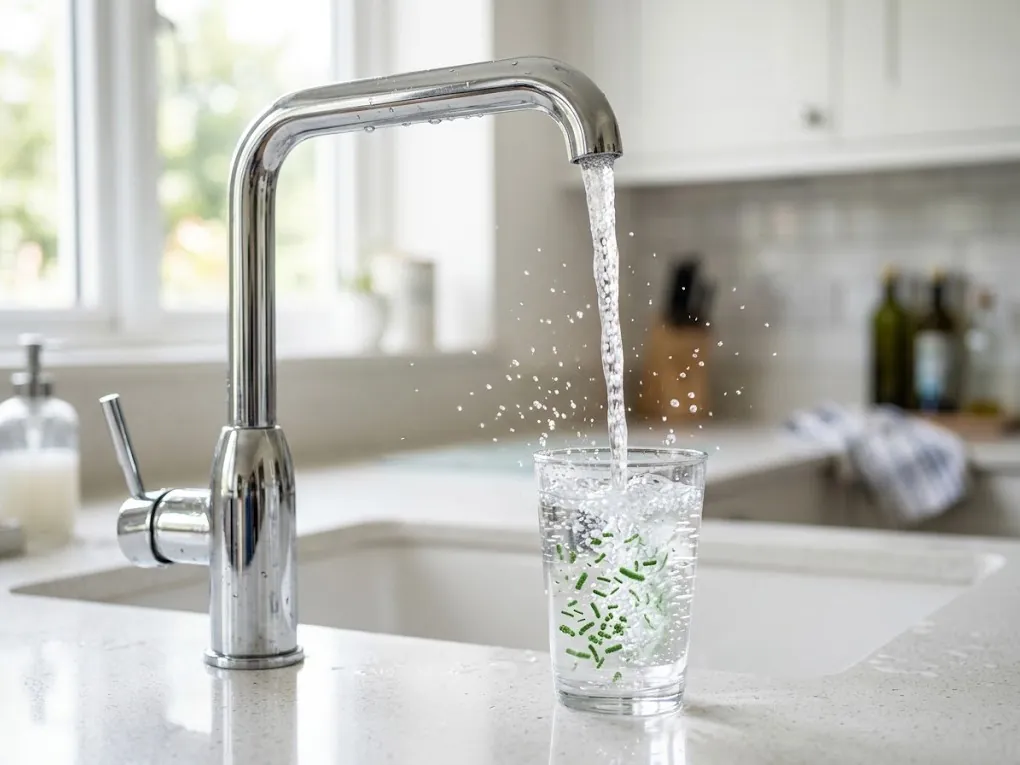
Indicates the physical treatments required: filtration, reduction of nitrates, hardness, iron and manganese.
Indicates the presence of microbiological agents (coliforms, faecal coliforms, Escherichia coli, streptococci, Pseudomonas aeruginosa), which can be eliminated by chemical disinfection.
Depending on the results of the analysis, the water may undergo one or more of the following treatments.
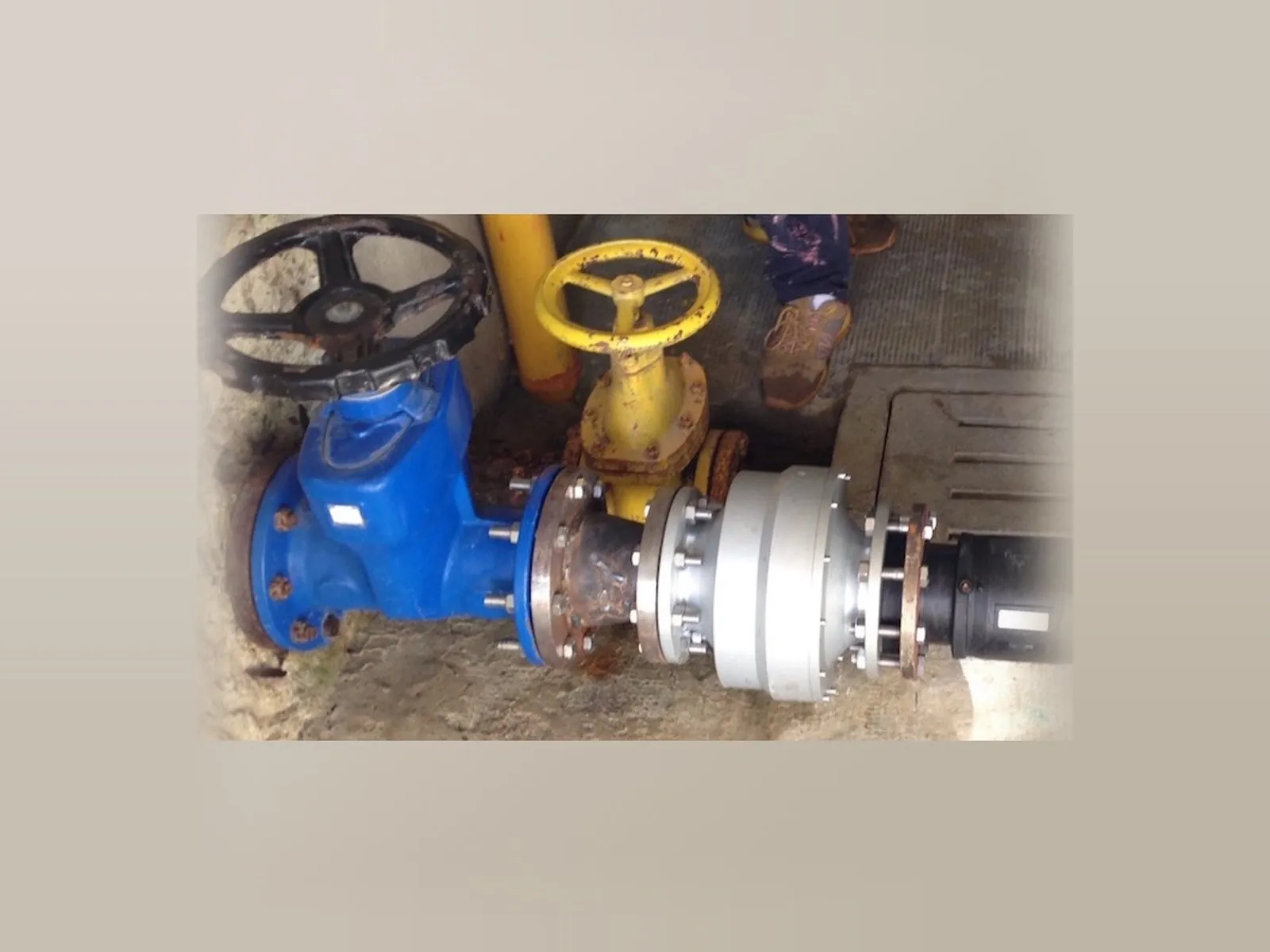
Removes soil, sand and other particulate matter which, in addition to making the water turbid, provides a growth nucleus for microbiological contamination.
Reduces nitrates, nitrogen compounds released by animals, discharges and fertilisers.
Reduces hardness and protects plumbing and household appliances from limescale; it is achieved with water softeners, magnetic scale inhibitors or reverse osmosis.
Magnetic scale inhibitors →Removes excess iron and manganese, which colour the water red or black and feed iron bacteria, microorganisms that proliferate where metals oxidise.
A disinfectant such as sodium hypochlorite inactivates viruses, bacteria and other microorganisms and makes the water fit for human consumption; a disinfectant residual keeps it so along the network.
In groundwater, well water, spring water and surface water used for drinking purposes, microbial flora is a constant presence, owing to the dispersion of inadequately treated wastewater, animal waste and pesticides. All of these waters require appropriate treatment to meet drinking water requirements.

Some of the microorganisms remain in suspension and reach taps, showers and every other point of use: they are absorbed through direct ingestion and through contact with the skin.
The remainder settles on the walls of tanks and pipes and forms biofilm, a nutrient-rich layer that protects microorganisms from the action of disinfectants. It develops where the water velocity is low (branches, bends, fittings, valves) or where the water stagnates (dead legs, taps, shower heads, gaskets, aerators, domestic treatment appliances).
When the flow changes, the biofilm detaches from the substrate and, carried by the water, reaches the taps, increasing the microbial load. Biofilm is also widespread in nature: examples are dental plaque and the slimy layer on the rocks of a stream or under the hull of a boat.
Each disinfectant has advantages and disadvantages: none is ideal in all circumstances. The most widely used in drinking water treatment plants:
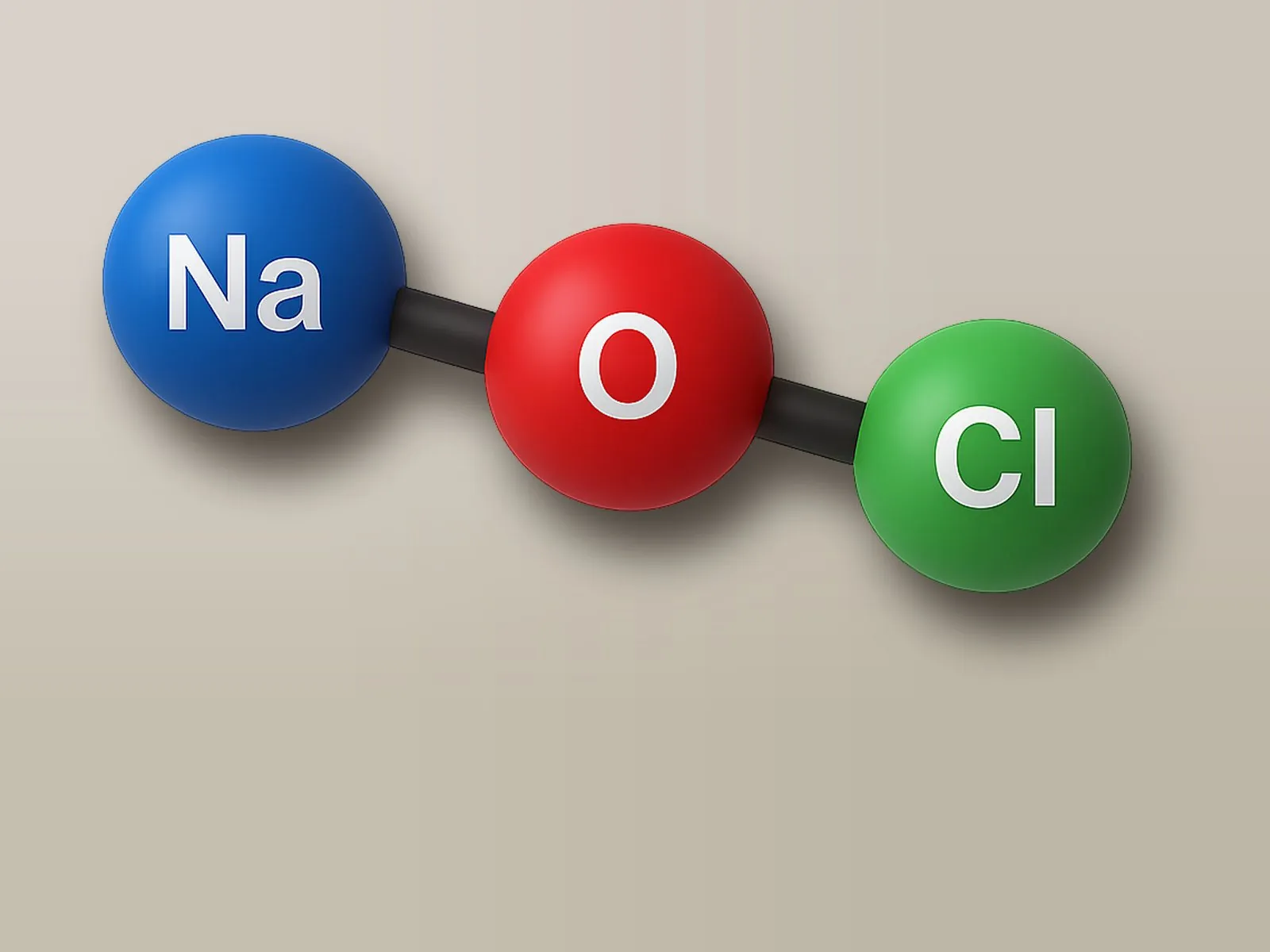
It is the most widely used disinfectant. It remains in the water as free active chlorine and protects the distribution network; calcium hypochlorite and chlorine gas are less widely used.
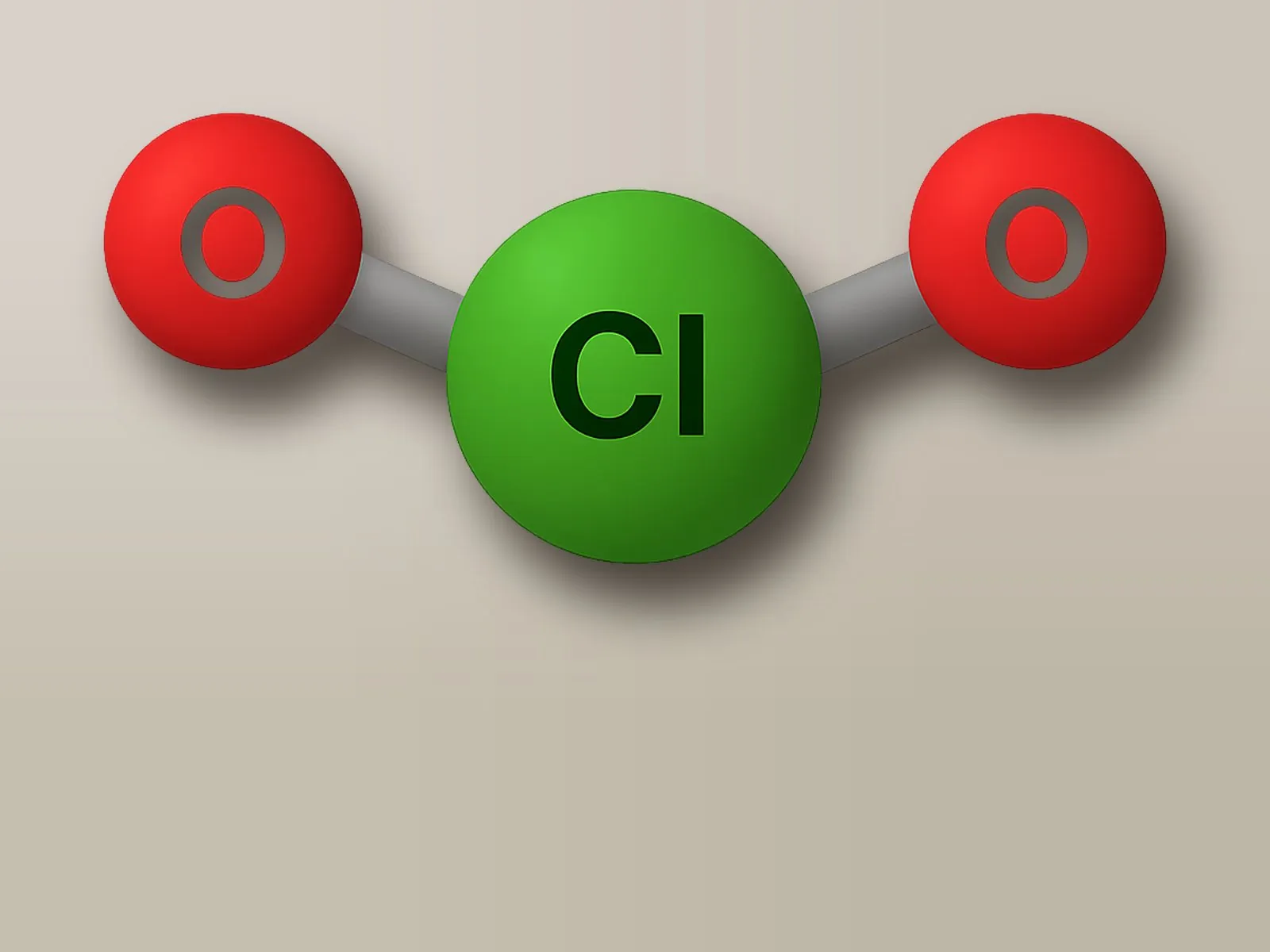
Produced on site by dedicated generators, it provides long-lasting protection of the network and is also used for Legionella prevention; monochloramine, produced continuously, is suitable for extensive networks and facilities with high water consumption.
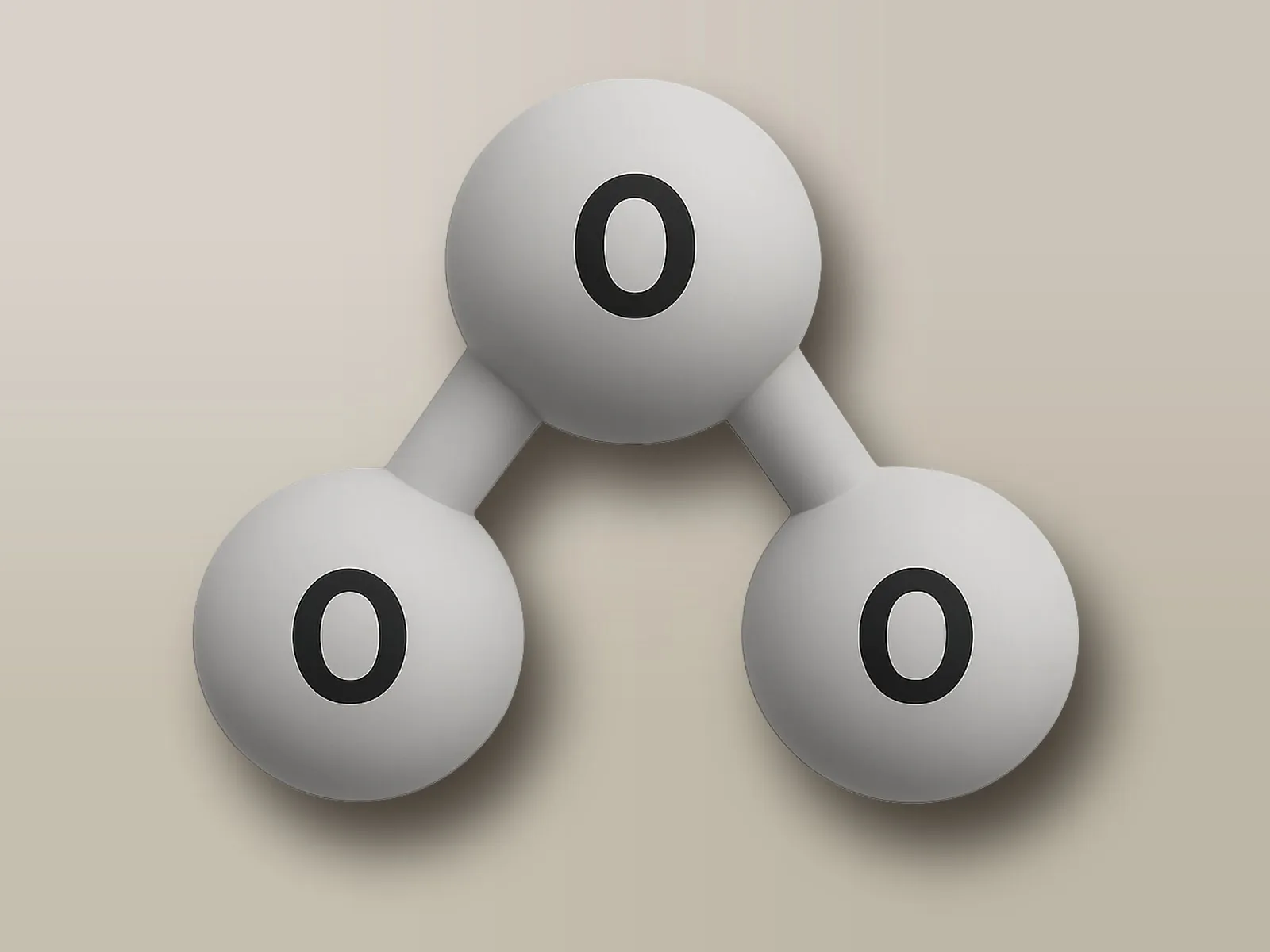
They disinfect at the moment of contact with the water but leave no residual: they do not protect the network against subsequent contamination.
Chlorine is the most widely used disinfectant: unlike more volatile disinfectants such as ozone, it remains in the water as active free chlorine and protects against bacterial regrowth during distribution and against any contamination after treatment.

Chlorine alters the cell permeability of microorganisms and damages nucleic acids and enzymes. The products of its reaction with water attack viruses and bacteria at molecular level, as well as other organic substances and inorganic ones, such as iron, manganese and ammonia compounds.
Disinfection, technically an oxidation, consumes chlorine: the disinfectant must be added until all the oxidisable matter in the water has been oxidised. Many bacteria, including pathogens, are rapidly inactivated at the concentrations used for drinking water.
A further small quantity, in the order of 0.2 mg/l, is therefore added and remains “on guard” against new contamination: this is the active free chlorine, which protects against bacterial regrowth in the network and counteracts biofilm formation.
Chlorine is the most effective and economical method of disinfecting water from a well or a spring, whether it serves a water supply network or a small domestic user.
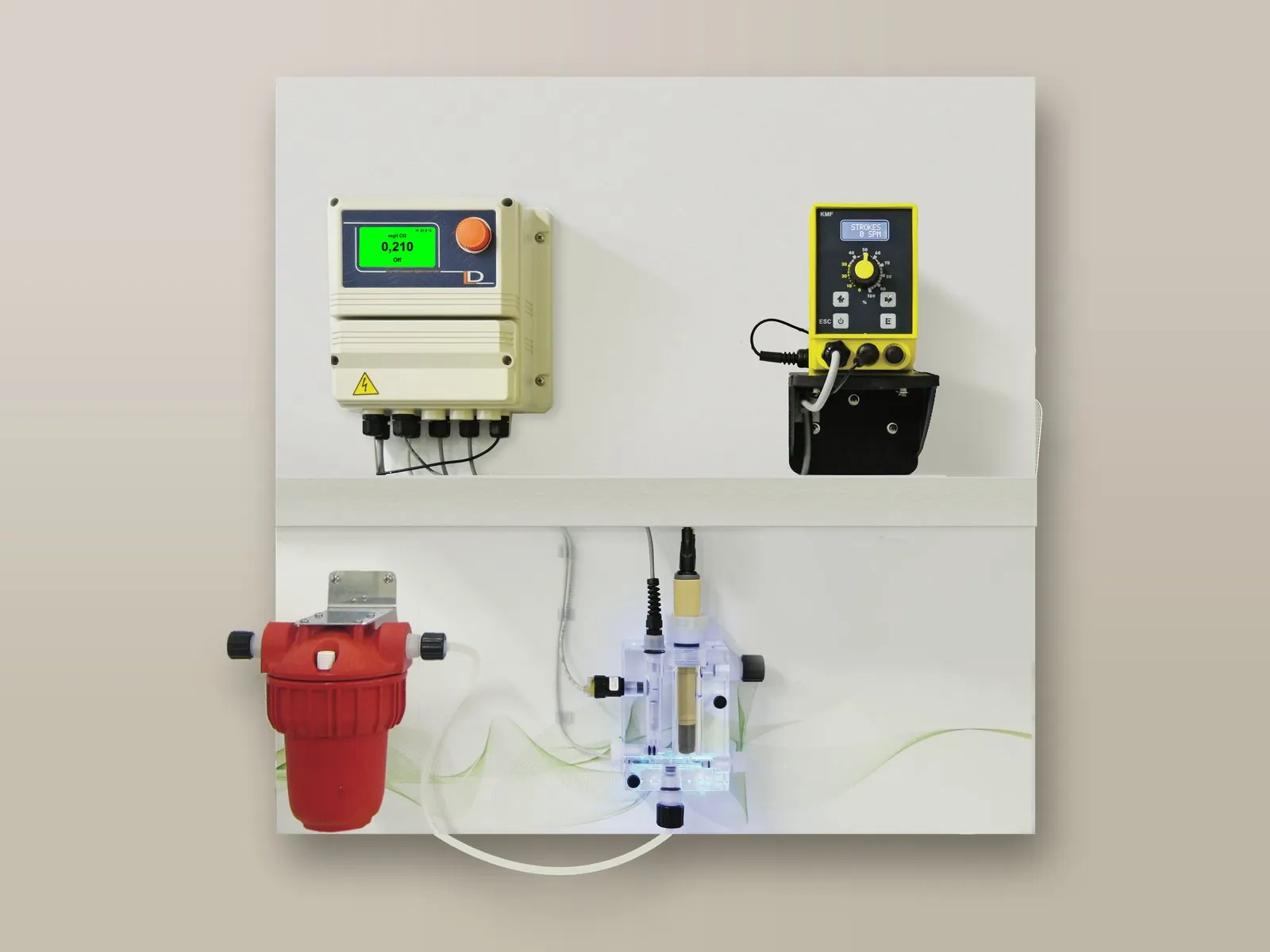
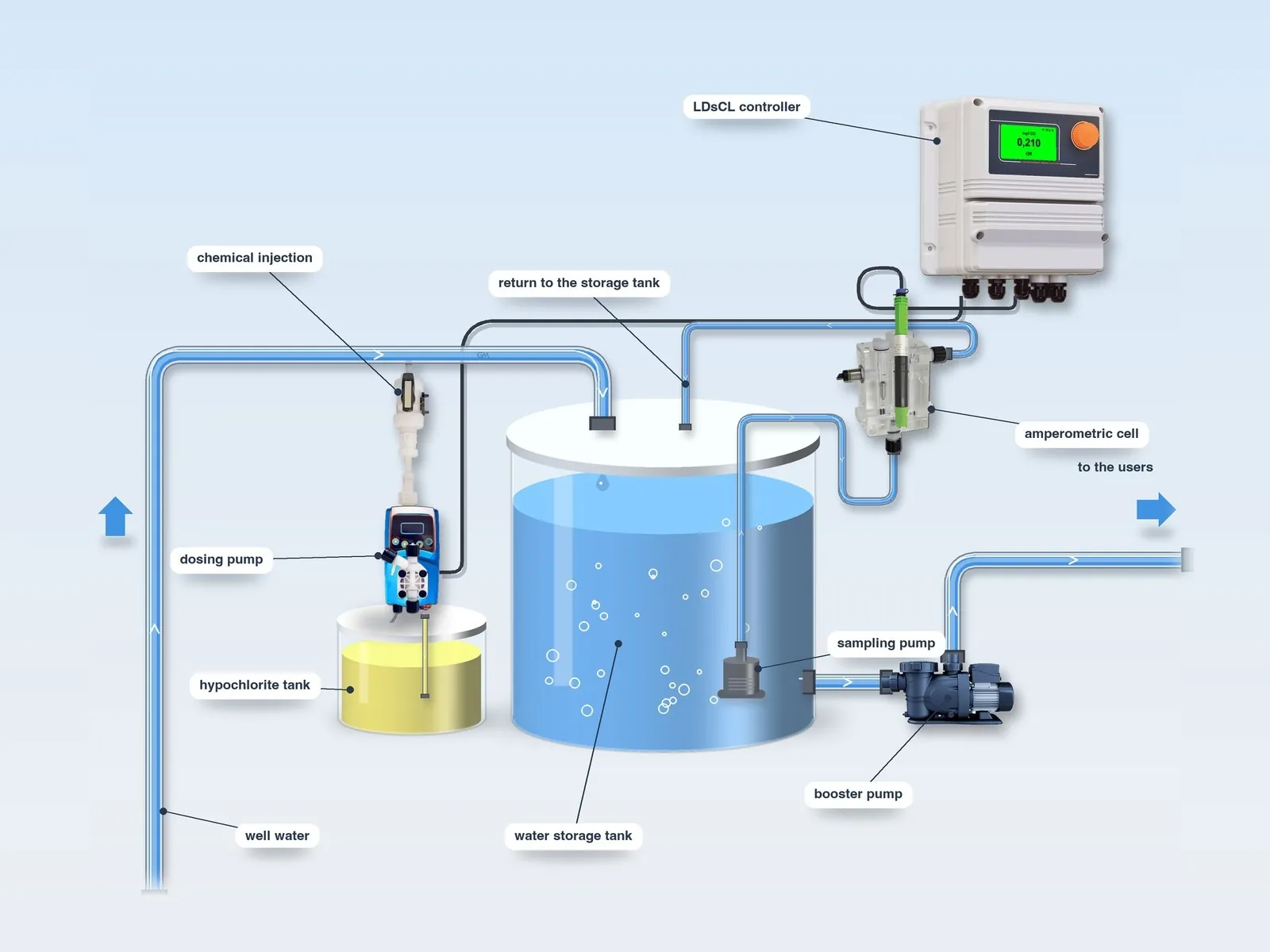
In most cases well water is collected in a tank and distributed to the points of use by a booster pump: the disinfection system is installed near the tank.
A probe designed for the low concentrations typical of drinking water measures free chlorine and controls the dosing of the hypochlorite needed to eliminate the bacterial load.
The concentration of disinfectant to be maintained in the water is set: for free chlorine typically 0.2 mg/l. The pump progressively reduces its flow rate as the set point is approached.
Chlorination keeps the water drinkable even during periods of low consumption, when water stands still in the tank, and prevents external contamination from affecting its quality.
The disinfecting efficacy of chlorine depends on the pH of the water: as the pH rises, a greater quantity of chlorine is needed to inactivate the same quantity of microorganisms. Drinking water may have a pH between 6.5 and 9.5: for the same measured free chlorine, the truly disinfecting share varies considerably from one water to another.
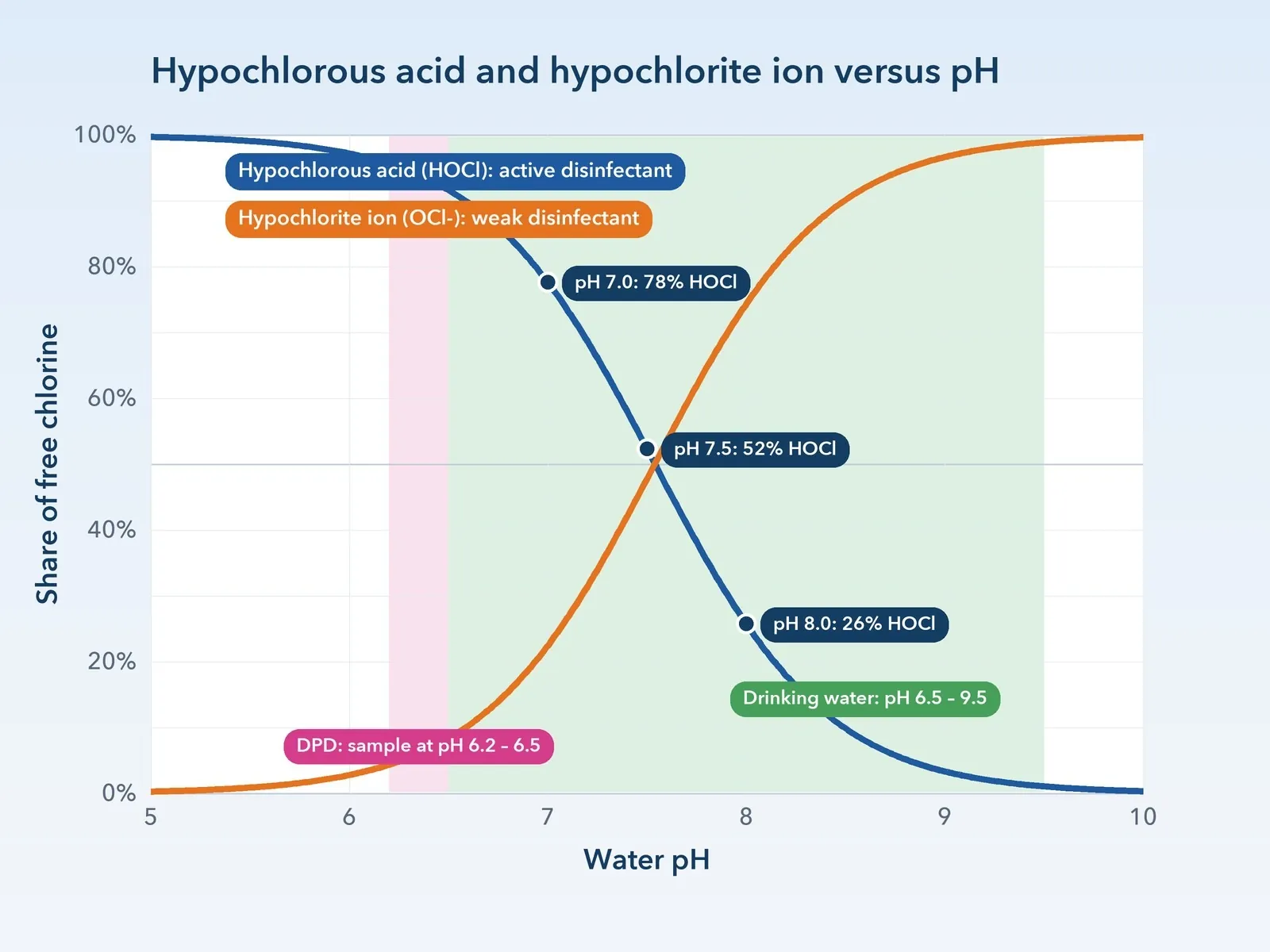
Chlorine dissociates forming mainly hypochlorous acid, the form with the highest oxidising power.
The hypochlorite ion prevails, with a considerably lower oxidising power; at pH values above 9 hypochlorite becomes almost entirely ineffective.
Values at 25 °C: hypochlorous acid is approximately 78% of the free chlorine at pH 7.0, 52% at pH 7.5 and 26% at pH 8.0. Because of this close correlation, free chlorine measuring systems compensate for variations in pH and temperature, and the closed amperometric cell measures hypochlorous acid directly. The DPD method, on the other hand, brings the sample to pH 6.2 – 6.5, where almost all the free chlorine is hypochlorous acid: this is why it reads the overall free chlorine, regardless of the actual pH of the water.
The quantity of organic and inorganic matter present in the water (microorganisms, organic substances, iron, copper, manganese) also affects the active free chlorine value.
A relatively modest quantity of chlorine is sufficient to reach a high active free chlorine value.
If pollution increases without a corresponding increase in disinfectant, the chlorine is consumed in oxidising the matter present and the active free chlorine decreases: disinfectant must be added until the desired value is restored.
At the same pH, a decrease in active free chlorine therefore indicates an increase in contamination. Measuring and dosing systems fully automate this process.
The disinfectant residual is measured continuously with Redox electrodes or with amperometric cells, open or closed; the DPD method verifies it on a sample.
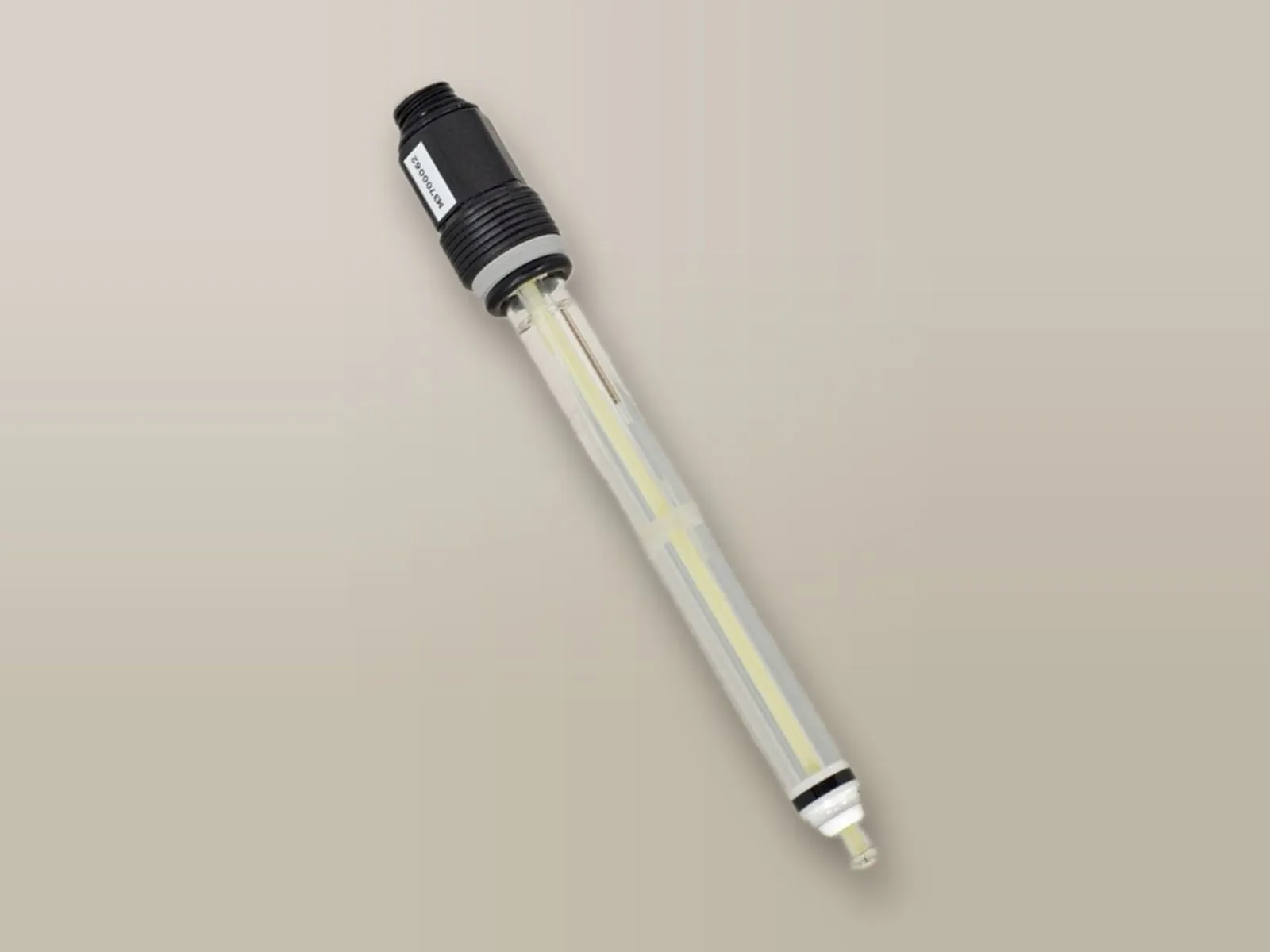
Chlorine, bromine, hydrogen peroxide, peracetic acid and ozone destroy the molecules of organic contaminants such as bacteria and algae. The oxidation-reduction potential indicates their disinfecting capacity: expressed in mV, it is positive in the presence of oxidants (chlorine) and negative in the presence of reducing agents (sodium bisulphite). It is an indirect measurement: it does not read the mg/l of free chlorine.
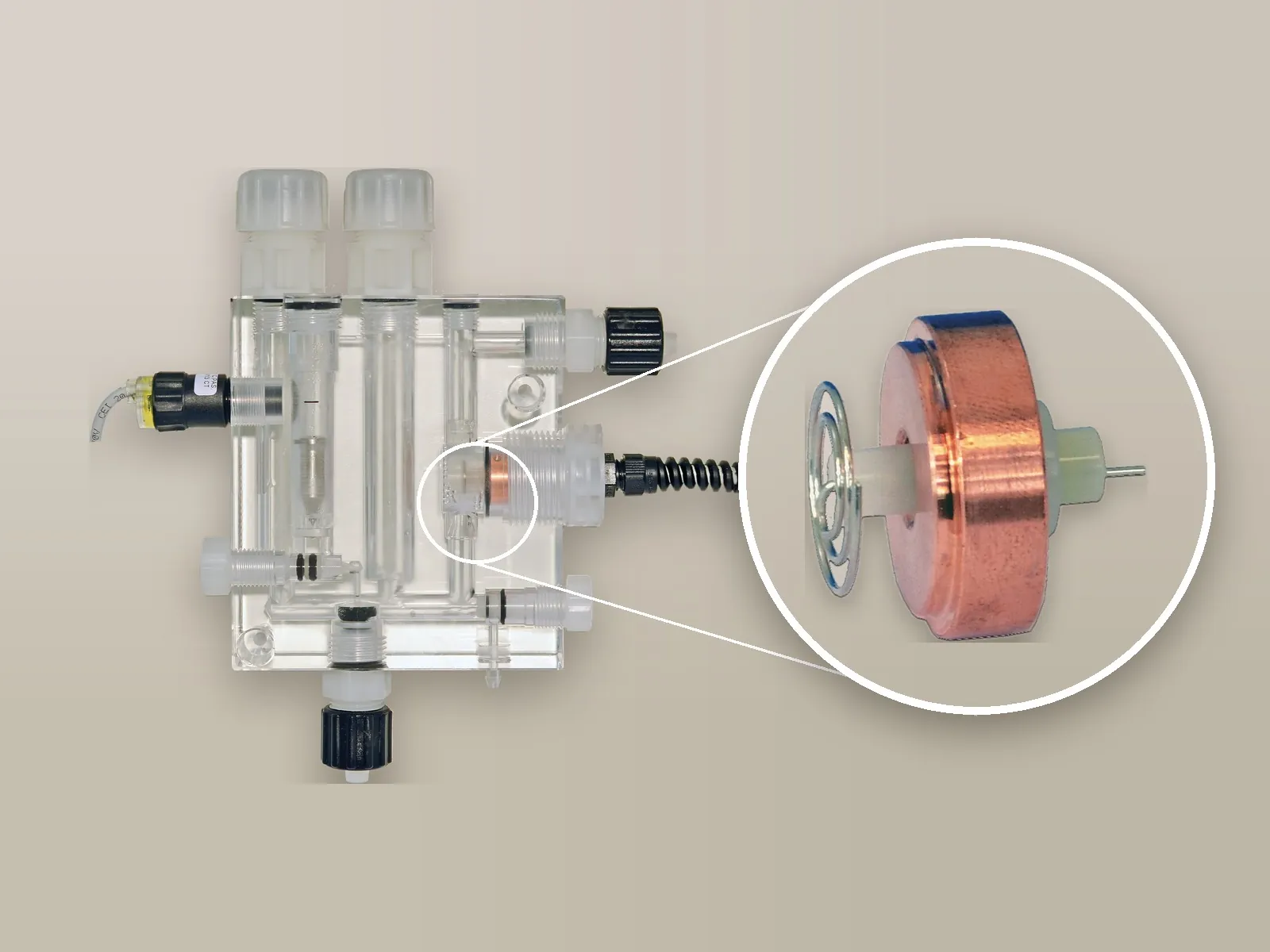
The electrodes are in direct contact with the water and measure the current generated by the oxidant: the reading is directly in mg/l, with reduced dependence on pH and with temperature compensation; it is affected by combined chlorine and requires periodic calibration.
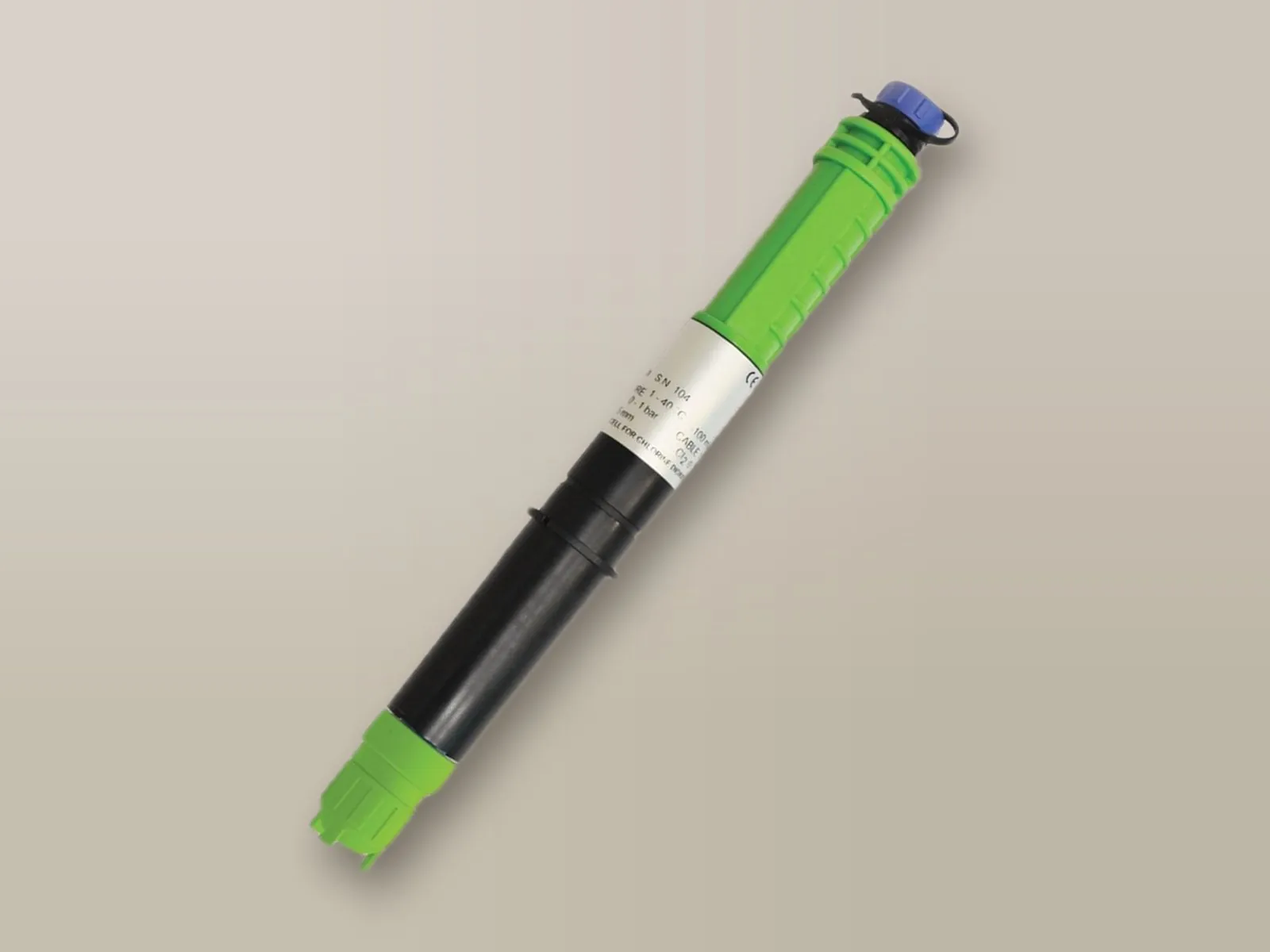
The measuring electrode and the reference electrode are enclosed in a chamber containing electrolyte, separated from the sample by a membrane cap that is semi-permeable only to the oxidant to be measured: it is the most accurate system for quantifying the disinfectant, with direct reading in mg/l and a resolution of 0.01 mg/l. The SCL3N cell is used for cold water.
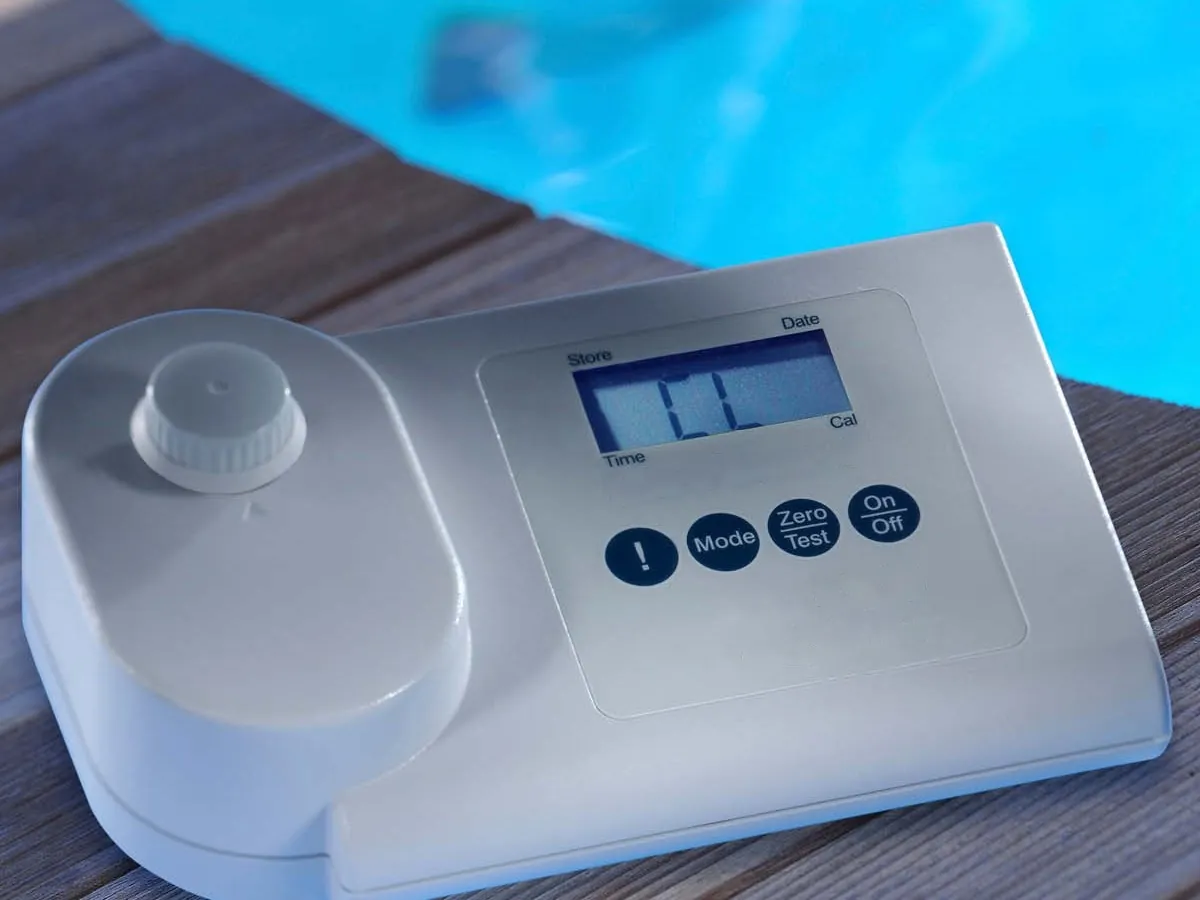
A reagent brings the sample to pH 6.2 – 6.5 and colours it in proportion to the free chlorine; the photometer measures the colour and converts it into mg/l, and a second reagent gives the total chlorine. It is a spot measurement, used for checking and calibrating automatic systems.
With chlorine as the disinfectant, the Redox potential depends directly on pH and, to a lesser extent, on temperature: as the pH increases, the effectiveness of chlorine decreases and a higher potential must be reached in order to disinfect. The potential increases in the presence of oxidants such as chlorine and decreases with contamination.
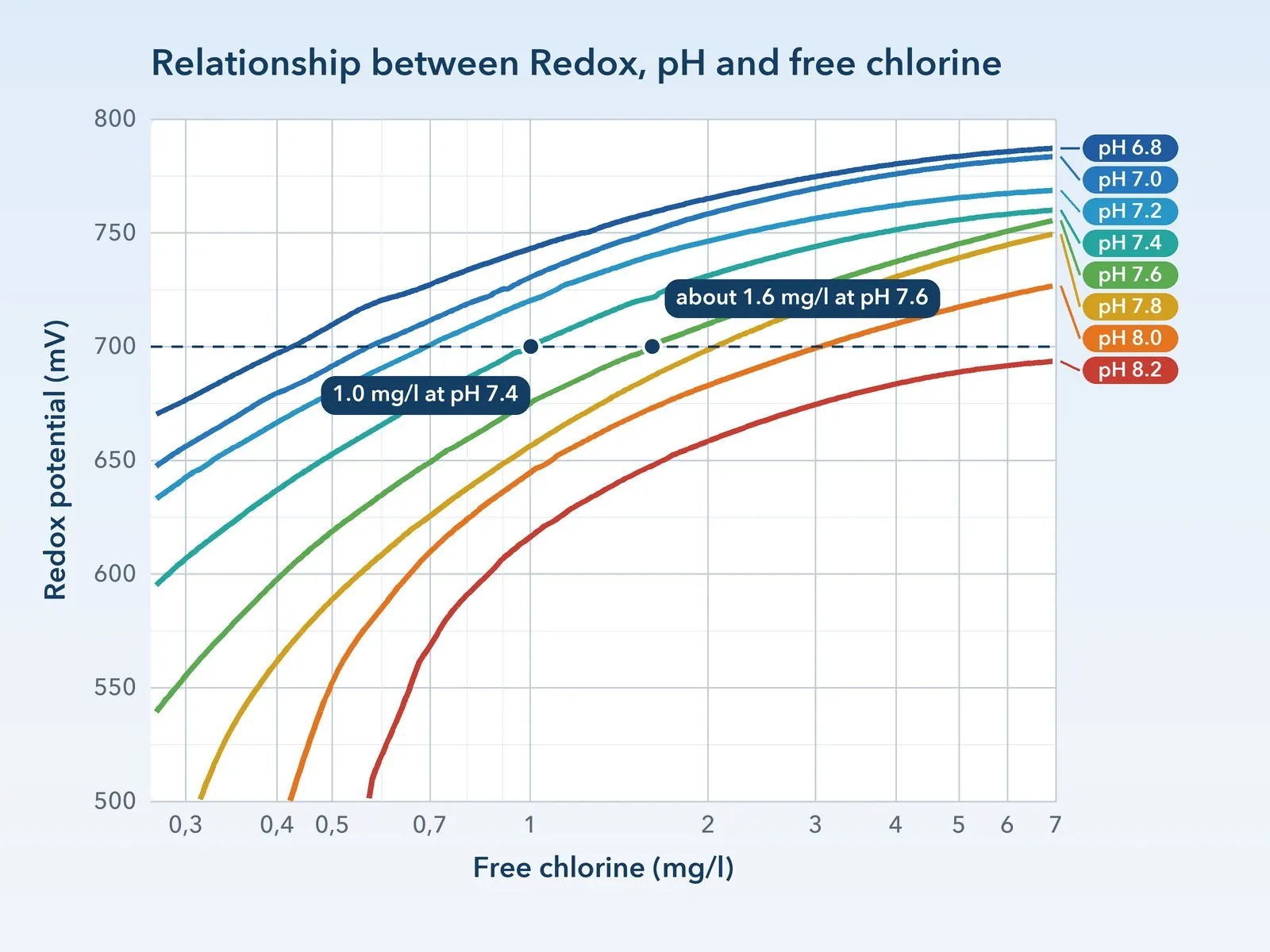
With few impurities, a modest quantity of chlorine produces a high potential. If pollution increases without an increase in disinfectant, the potential falls: at the same pH, a falling potential indicates increasing contamination.
For the low chlorine concentrations typical of drinking water, high-sensitivity, high-linearity, low-impedance electrodes are used; the platinum measuring electrode does not take part in the reactions but assumes the equilibrium potential of the solution.
The reading depends on pH and conductivity: the correspondence between mV and free chlorine must be verified periodically with the DPD method.
The system with Redox control →The reference electrode has a known potential, constant and independent of external conditions: it normally consists of a metal coated with one of its sparingly soluble salts, immersed in a solution containing the anion of the same salt.
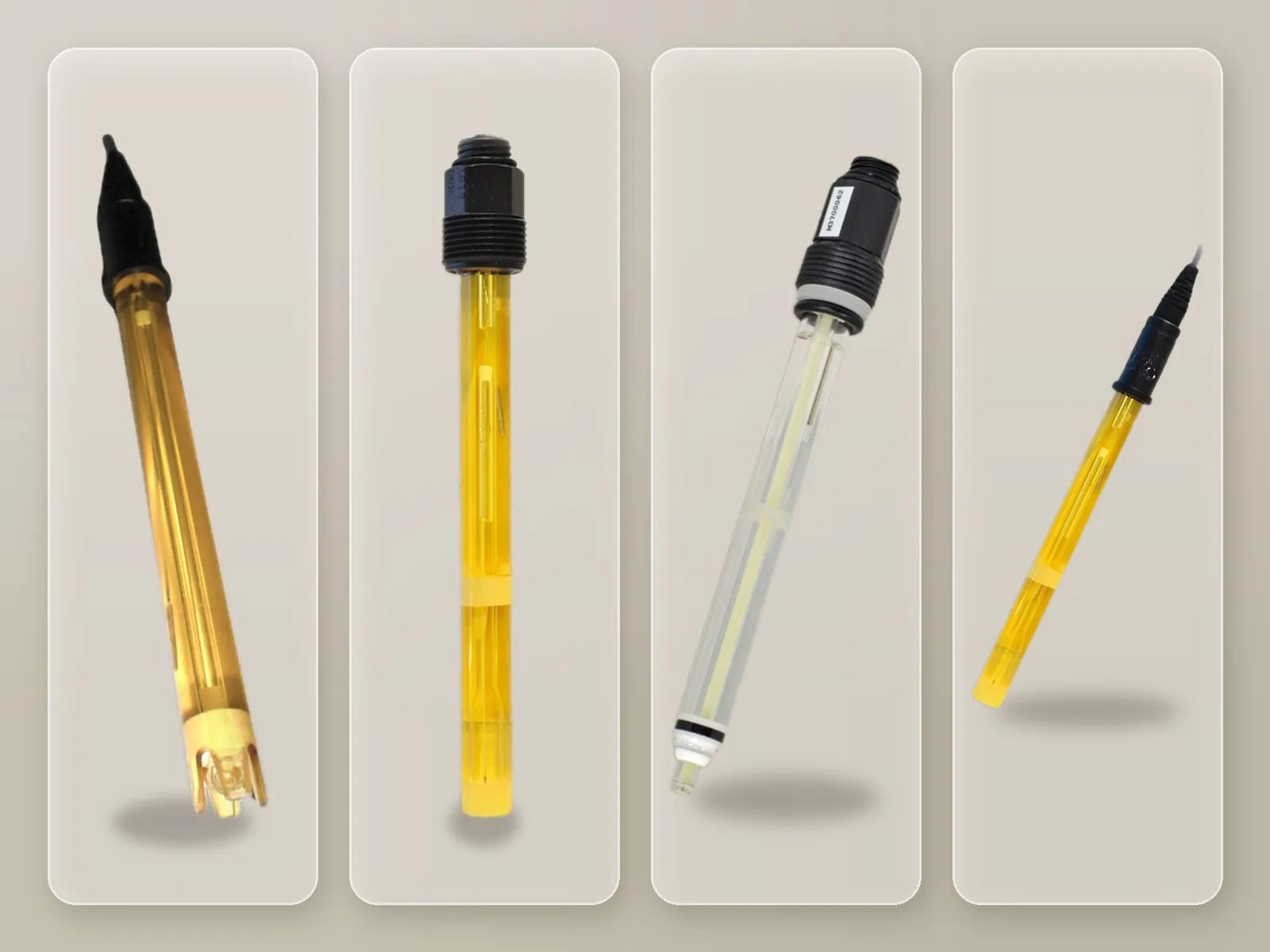
Ag/AgCl/KCl sol.: the most widely used reference today; maximum temperature of about 100 °C; it shows no appreciable hysteresis as the temperature varies.
A small ceramic cylinder, a porous PTFE ring or similar: it allows a minimal flow of electrolyte towards the solution, to maintain electrical continuity, prevent fouling and precipitation in the pores and stop the sample from entering the reference.
The salt must contain chloride ions, for electrochemical equilibrium with silver chloride, and be readily soluble and equitransferent (anion and cation with the same ionic mobility), so as not to create a diffusion potential across the diaphragm.
If KCl forms precipitates with the sample or reacts with it, a double-junction reference is used: a first reservoir with KCl and a second with a suitable bridge solution, for example saturated KNO3.
An amperometric cell is an electrochemical system that converts chemical energy into electrical energy: the electrodes detect the current generated by the hypochlorous acid passing through the membrane cap; the electronics compensate the reading for temperature and pH and send the signal to the controller, which displays the mg/l of free chlorine, with a resolution of 0.01 mg/l. For cold water the SCL3N cell is used; a dedicated cell measures total chlorine.
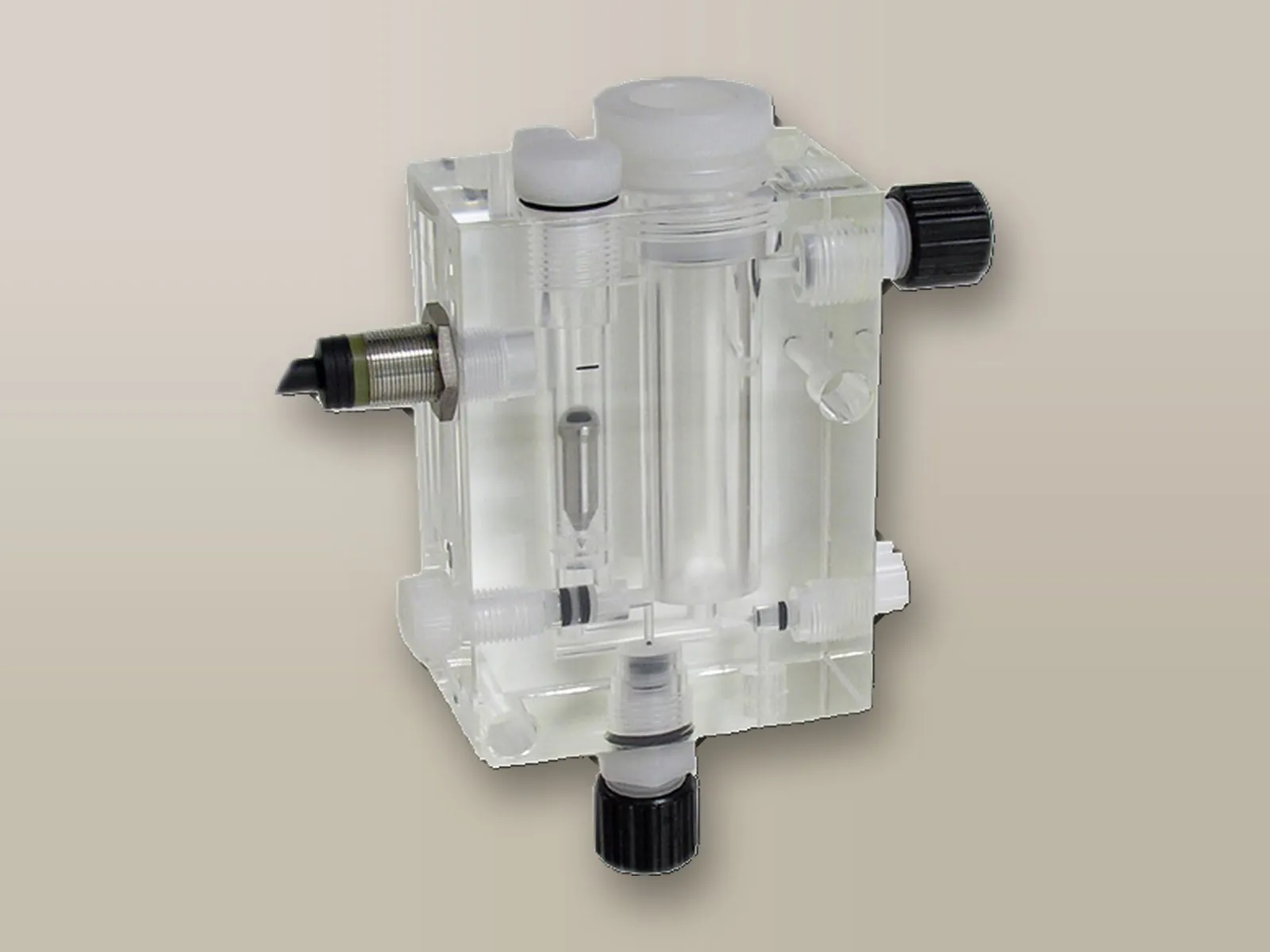
The membrane cap protects the electrodes from direct contact with the water and ensures that only the specific disinfectant of the cell is measured, excluding hypochlorite ion, chloramines and the substances that could alter the reading.
The measurement requires a constant water flow, of the order of 30 – 40 l/h: with too little flow the cell reads less, with excessive flow it reads more. The cells are installed in a flow-through PMMA probe holder, with adjustment of the sample flow rate and a flow sensor, which stops dosing when there is no circulation.
Turbidity, oils, organic suspended matter, iron and manganese can clog the membrane and shorten maintenance intervals; deposits and biofilm lower the reading and the membrane cap must be replaced at the specified intervals. Changes in conductivity require recalibration. For these waters there are three-electrode cells with ball self-cleaning, the balls being moved by the water flow.
The DPD method is based on a chemical reaction that takes place in a cuvette filled with a water sample. It is the method used by manual comparators and photometers, with which automatic systems are checked and checks are carried out along the distribution network.
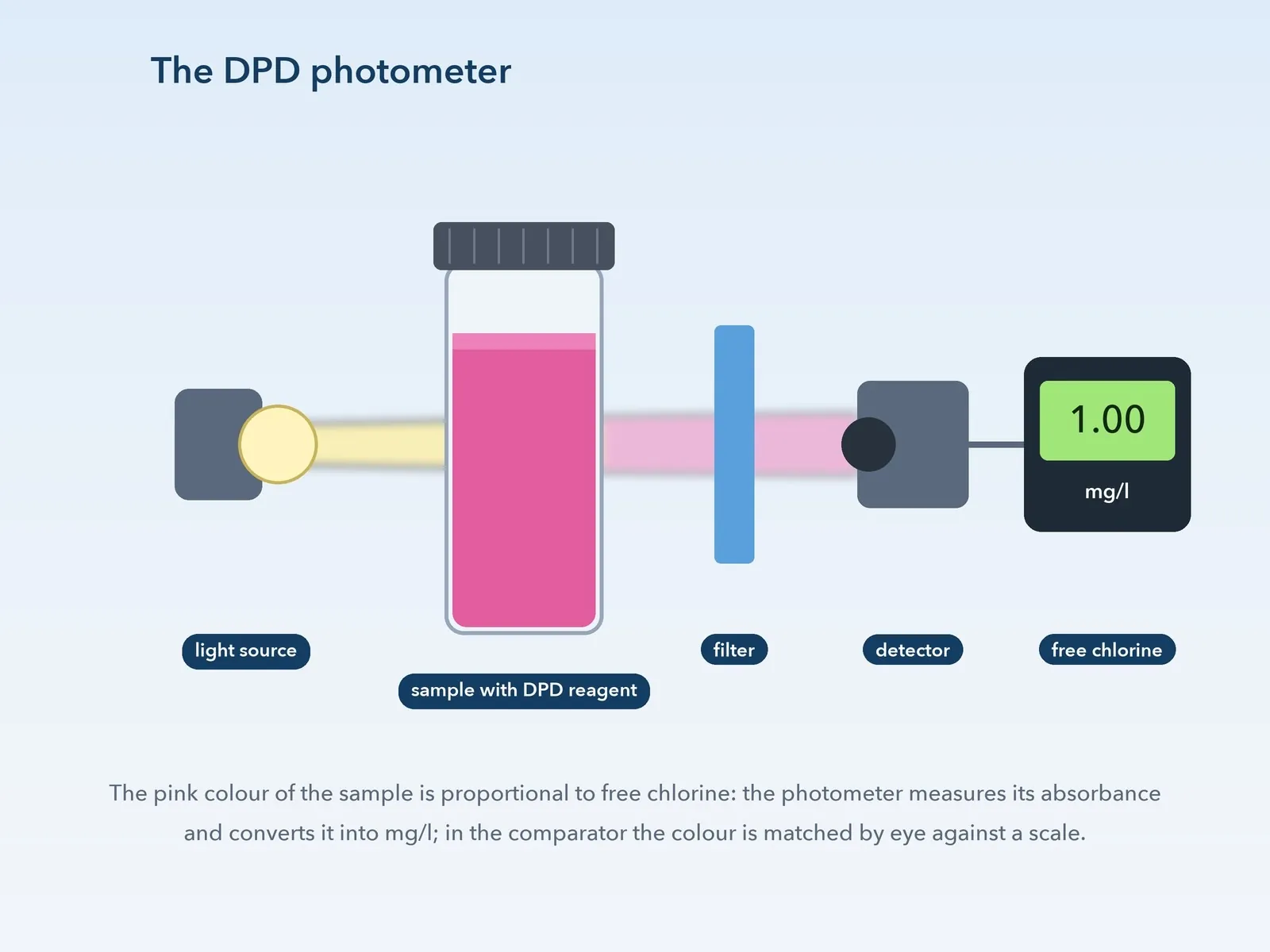
The DPD1 reagent, in tablet or liquid form, contains a buffer solution that brings the sample to pH 6.2 – 6.5 and reacts with all the free chlorine, hypochlorous acid and hypochlorite ion, developing a pink colour proportional to the concentration.
The photometer measures the absorbance of the sample at the wavelength of the pink colour and converts it into mg/l of free chlorine; in the manual comparator the colour is compared by eye with a scale.
Adding the DPD3 reagent to the same sample measures total chlorine; the difference from free chlorine is combined chlorine.
Each measurement describes the water at the moment of sampling: it is suited to checking and calibration, not to following the process or controlling dosing.
Differences between the reading of the closed cell and that of the DPD photometer are frequent and are not an anomaly: the two methods do not measure the same thing.
The DPD method brings the sample to pH 6.2 – 6.5 and measures the free chlorine as if it were all hypochlorous acid. The closed cell measures the water at its actual pH: with water at pH 7.5 – 8, hypochlorous acid is half or less of the free chlorine and the cell reads considerably less than the photometer.
In these cases the cell must not be recalibrated to the DPD value: it indicates the share of chlorine that actually disinfects, whereas the DPD method indicates the overall free chlorine, including the part that has a reduced disinfecting power at the pH of the water.
Chloramines, which form in the presence of ammonia, increase the DPD reading; the membrane of the closed cell excludes them.
The cell follows every variation in real time and controls dosing; the DPD method captures a single moment, with the margin of error of sampling and of the operator.
The two instruments are complementary: the DPD method for periodic checks and verification, the closed cell for continuously measuring and controlling the truly disinfecting residual.
The DPD method is reliable, but it is an optical measurement on a sample carried out by an operator: compared with the closed cell it is affected by more factors.
The colour develops at the pH of the buffer solution, not at that of the water in the network: the measurement does not represent the actual disinfecting power of the chlorine.
The reaction rate depends on temperature: with very cold water or reagents the reaction slows down and the times specified by the method are no longer correct.
A reading taken too early finds incomplete colour development and underestimates the chlorine.
If other oxidants are present in the sample, the reaction is slow or progressive and the value is overestimated.
Air bubbles in the cuvette, turbidity of the sample, cuvettes dirty inside or outside and expired reagents alter the reading.
Chloramines, which form when the water contains ammonia, and monochloramine used as a disinfectant add an unwanted contribution to the free chlorine reading: with monochloramine above 1 mg/l the photometer reads up to 20% more than the closed cell.
| Monochloramine (mg/l) | Additional free chlorine read (mg/l) | Error (%) |
|---|---|---|
| 2.14 | 0.43 | 20 |
| 1.98 | 0.41 | 21 |
| 1.80 | 0.39 | 22 |
| 1.69 | 0.39 | 23 |
| 1.38 | 0.29 | 21 |
| 1.05 | 0.13 | 12 |
| 1.00 | 0.13 | 13 |
| 0.44 | 0.05 | 11 |
| 0.26 | 0.03 | 12 |
If the values are inconsistent, five successive measurements are taken with the DPD1 reagent, the highest and lowest values are discarded and the average of the remaining three is calculated.
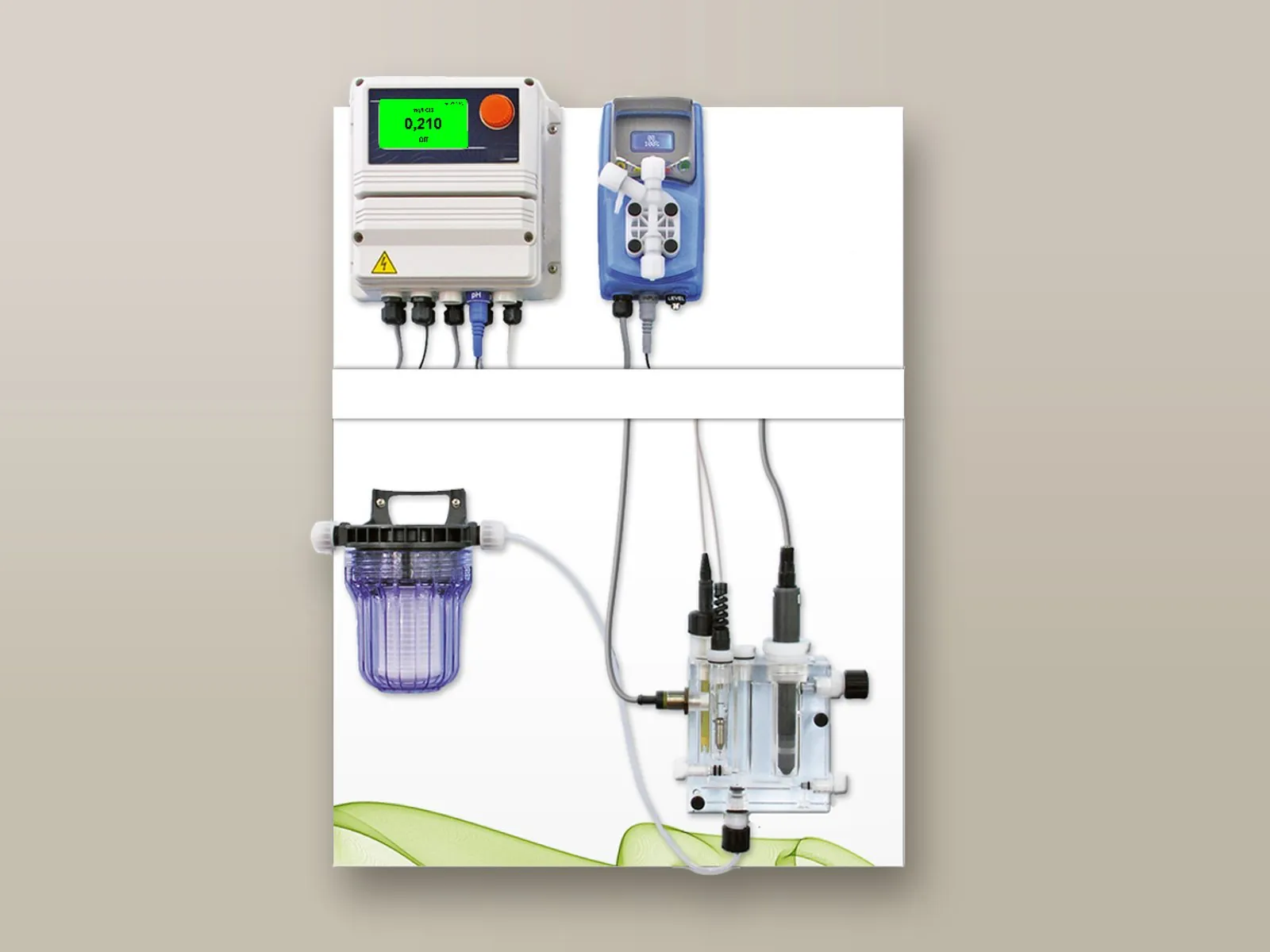
The probes are placed in contact with the water to be analysed: immersed in the storage tank, in a flow-through probe holder installed in by-pass or in-line on the pipe.
The controller drives one or more dosing pumps, which inject the disinfectant directly into the storage tank or, where there is none, into the pipe.
For chlorine to disinfect the water, a contact time suited to the type of pathogenic organism present must be ensured, in any case not less than 20 minutes.
The probes measure continuously and control dosing up to the set value, generally 0.2 mg/l of free chlorine. The water entering the tank is disinfected and the pump restores the set value.
The controllers provide 4-20 mA outputs proportional to the measured values and can be remotely monitored and controlled from the web portal.
From dosing in proportion to volume, to systems that measure the residual, up to multi-parameter systems for water supply networks. The DPD method always accompanies the automatic system: to calibrate it, to verify it and for checks along the distribution network.
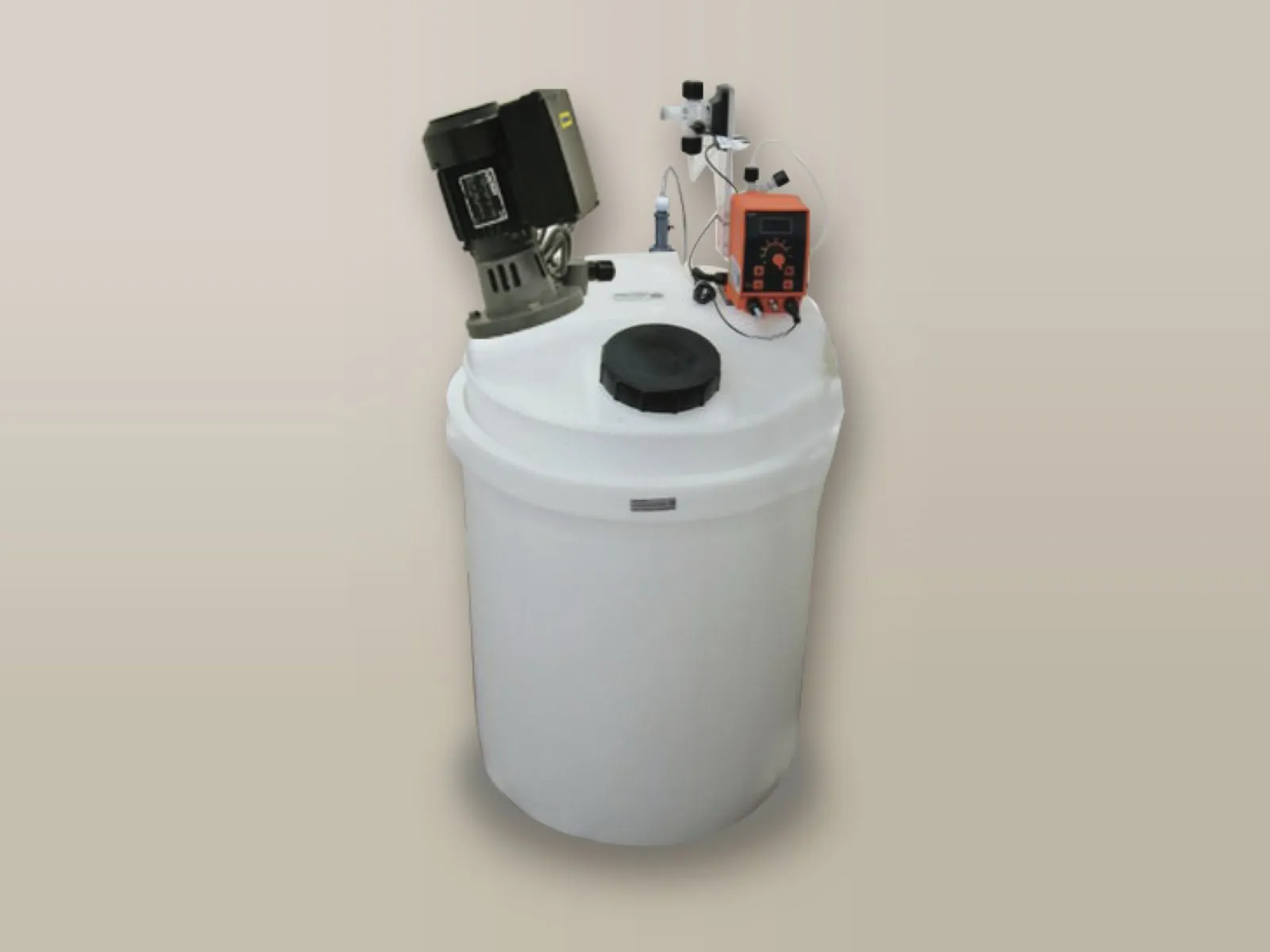
The most straightforward solution: the pulse-output water meter installed on the pipe carrying the water to be treated controls the dosing pump, which injects hypochlorite in proportion to the measured volume of water. Suitable for water of constant quality, with periodic checking of the residual.
The LDsCL controller continuously measures the residual free chlorine with an amperometric cell and controls the hypochlorite pump in proportion to the measured value, up to the set point: the residual remains constant even when the flow rate or the water quality changes.
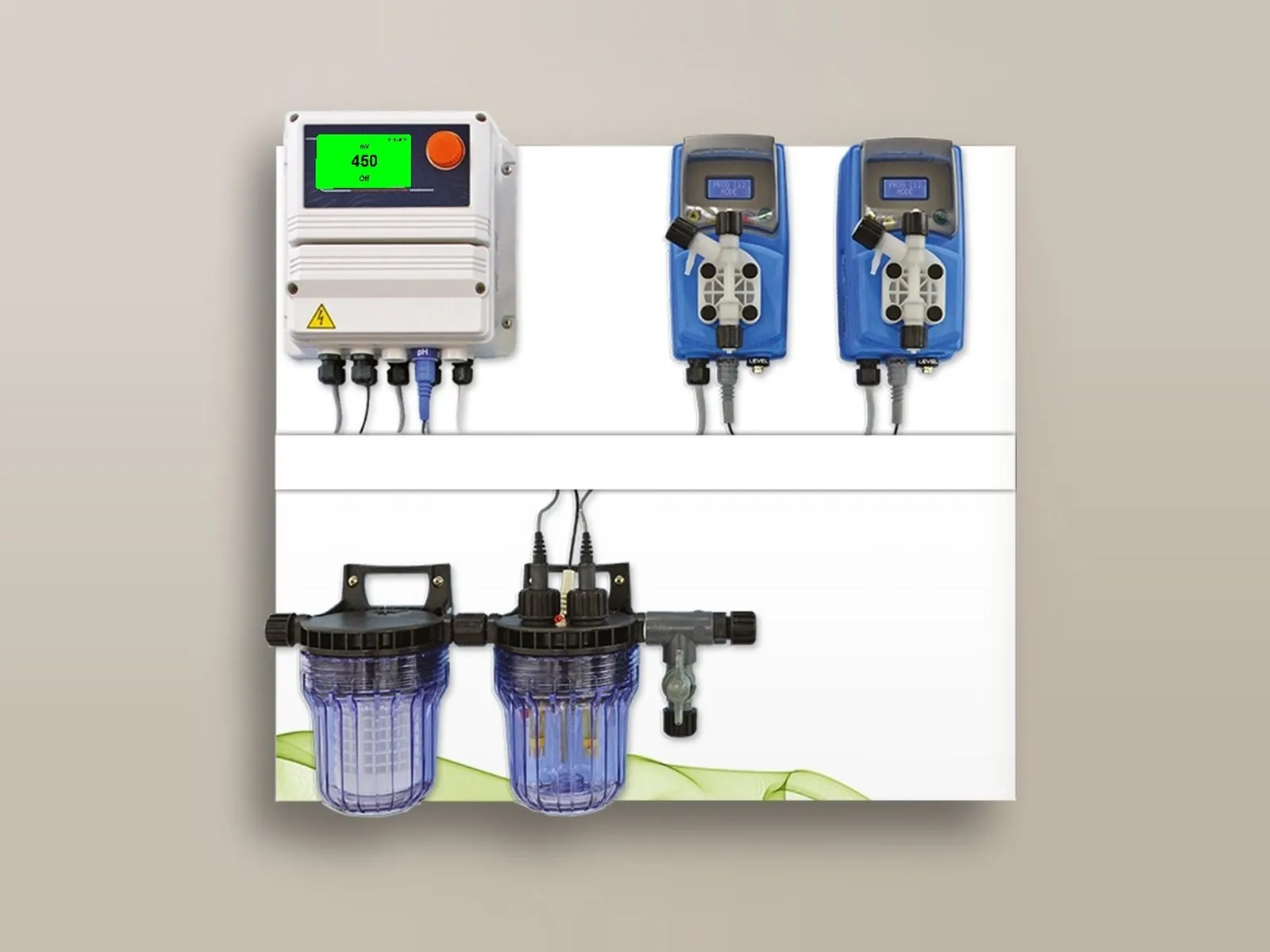
The LDsRh controller measures the Redox potential, which indicates the disinfecting power of the water, and doses hypochlorite up to the set point. It uses a high-linearity electrode for drinking water.
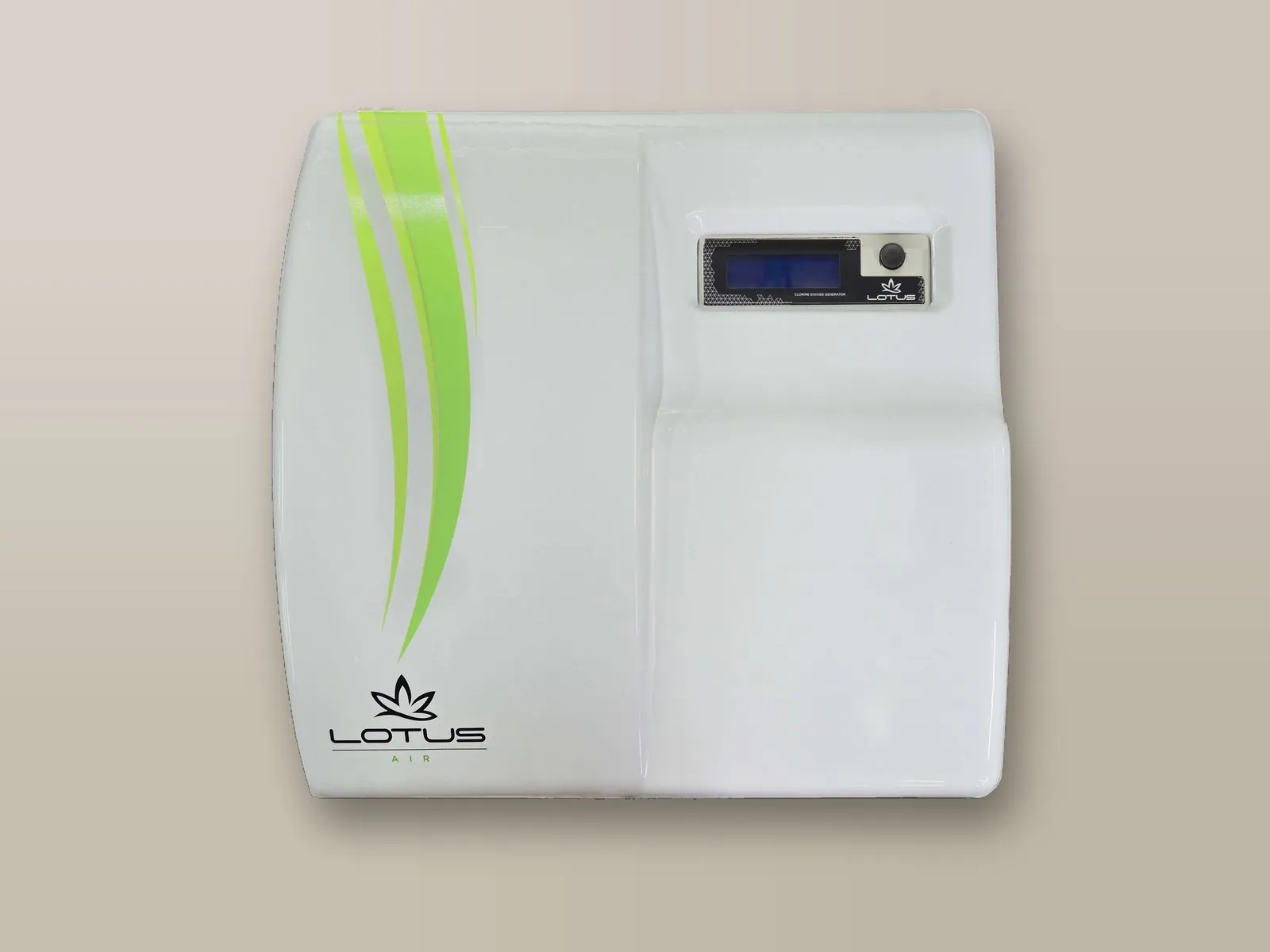
The LOTUS AIR generator produces chlorine dioxide on site from hydrochloric acid and sodium chlorite, in an automatic cycle and at ambient pressure, with dosing in proportion to the volume of water and/or to the measured residual.
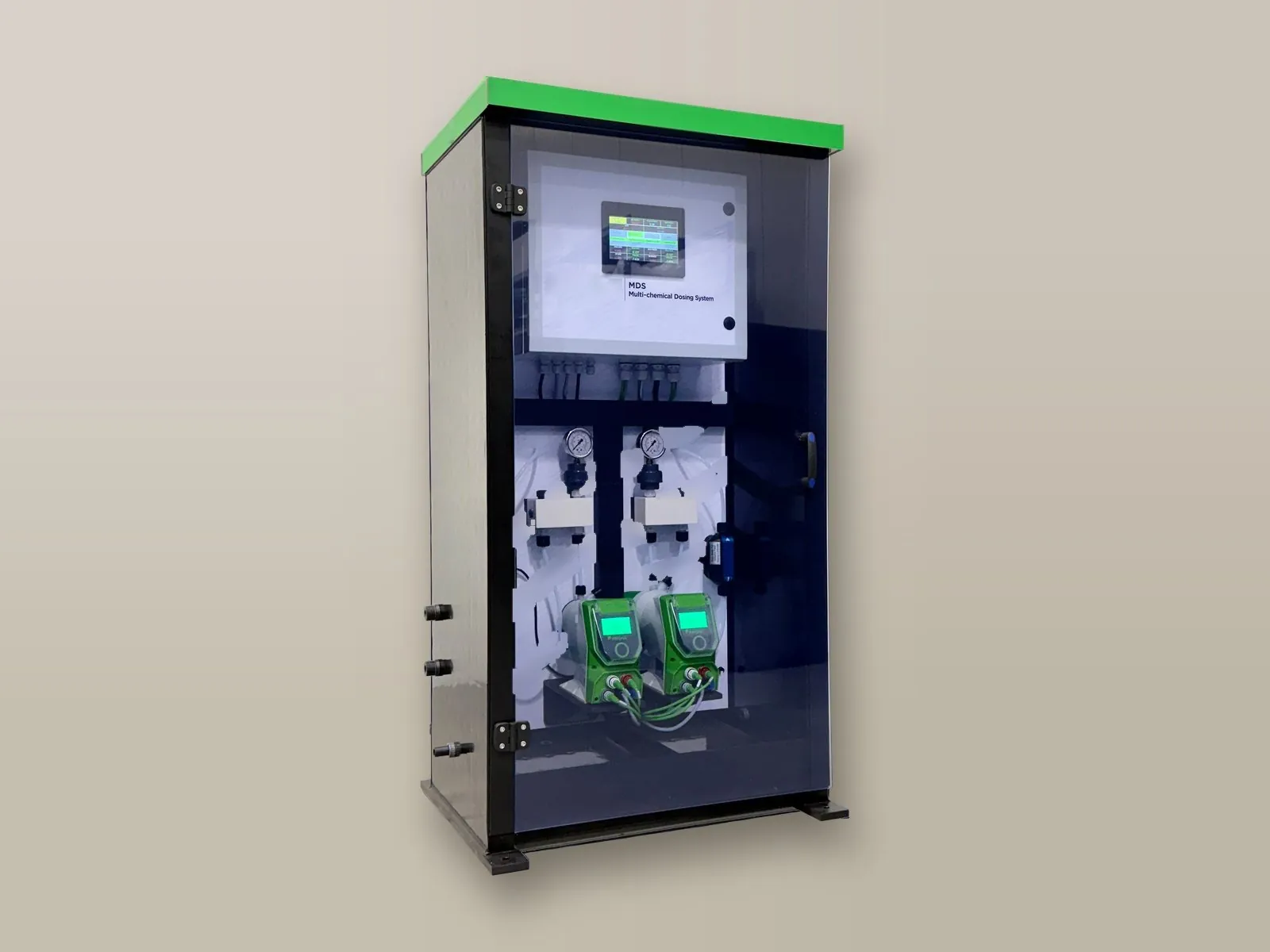
The MDS system continuously produces monochloramine from two reagents of known concentration, ammonia and hypochlorite, dosed together with the dilution water into a PVDF reactor; the water meter on the pipe controls its dosing.
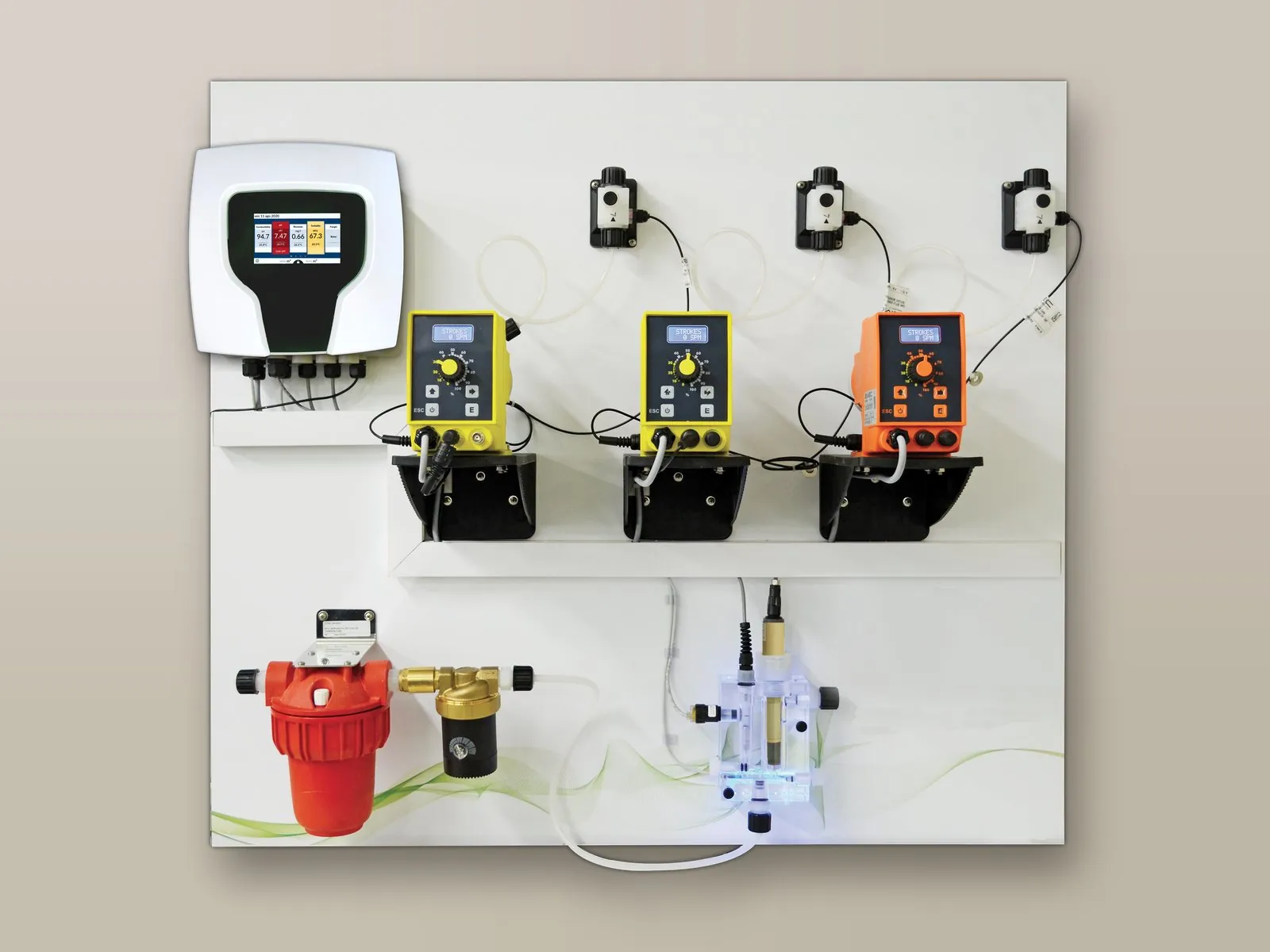
Ideal for waterworks where all the key water parameters must be monitored with a single controller, such as volumetric dosing on the filling of the contact tank, analysis of the turbidity, conductivity and pH of the water, as well as residual control dosing by means of an amperometric cell.
| Redox | Closed cell | DPD method | |
|---|---|---|---|
| Type of measurement | Continuous, in-line | Continuous, in-line | On a sample, spot measurement |
| Reading | mV (estimate of the disinfecting power) | mg/l of free chlorine, resolution 0.01 mg/l | mg/l of free chlorine; total chlorine with the DPD3 reagent |
| What it measures | Potential of the water as a whole | Hypochlorous acid only, the disinfecting form | Hypochlorous acid and hypochlorite ion, at pH 6.2 – 6.5 |
| pH | Significant effect | Compensated | Brought to 6.2 – 6.5: not the actual pH of the water |
| Conductivity | Affects the reading | Changes require recalibration | Does not affect the reading |
| Chloramines and monochloramine | Affect the reading | Excluded by the membrane | Increase the reading by up to 20% |
| Turbidity, iron, manganese | Affect the response | May clog the membrane | Turbidity and colour of the sample affect the reading |
| Represents the disinfecting power | Partly | Yes | Depends on the pH of the water |
| Dosing control | Yes | Yes, the most accurate | No: used for checking and calibration |
| Calibration and checking | Periodic verification with the chlorine test | Periodic; constant flow 30 – 40 l/h | Reagents within their expiry date, clean cuvettes |
Send us the water analysis and tell us the origin, the consumption and the tank volume: we will propose the most suitable disinfection and measuring system.
Call or write to us: a technician will reply with a tailored proposal of controllers, pumps, probes and accessories.