The consequences of incorrect dosing
Inaccurate dosing or an incompatible material exposes operators to risks, damages equipment through corrosion, compromises product quality and can harm the environment.
The chemical industry is one of the most demanding environments: handling aggressive and hazardous substances requires precision, safety and reliability at every stage, from production to storage and treatment.
Chemical processes use acids and alkalis, oxidising agents, corrosive and hazardous substances, high-purity or reactive compounds. Under these conditions even a small dosing error has significant consequences.
Inaccurate dosing or an incompatible material exposes operators to risks, damages equipment through corrosion, compromises product quality and can harm the environment.
Constant and repeatable dosing, with solenoid, stepper motor or motor-driven pumps according to flow rate and pressure.
Pump head, valves and seals chosen for the chemical dosed, using the chemical compatibility table.
Long service life with low maintenance, to limit production stoppages.
Control by analogue signal, pulses or fieldbus, for integration into existing control systems.
Display and guided menus for configuration and operating checks.
Simplified procedures for flow calibration and replacement of wear parts.
Pump alarms and status sent to the control system or available remotely.
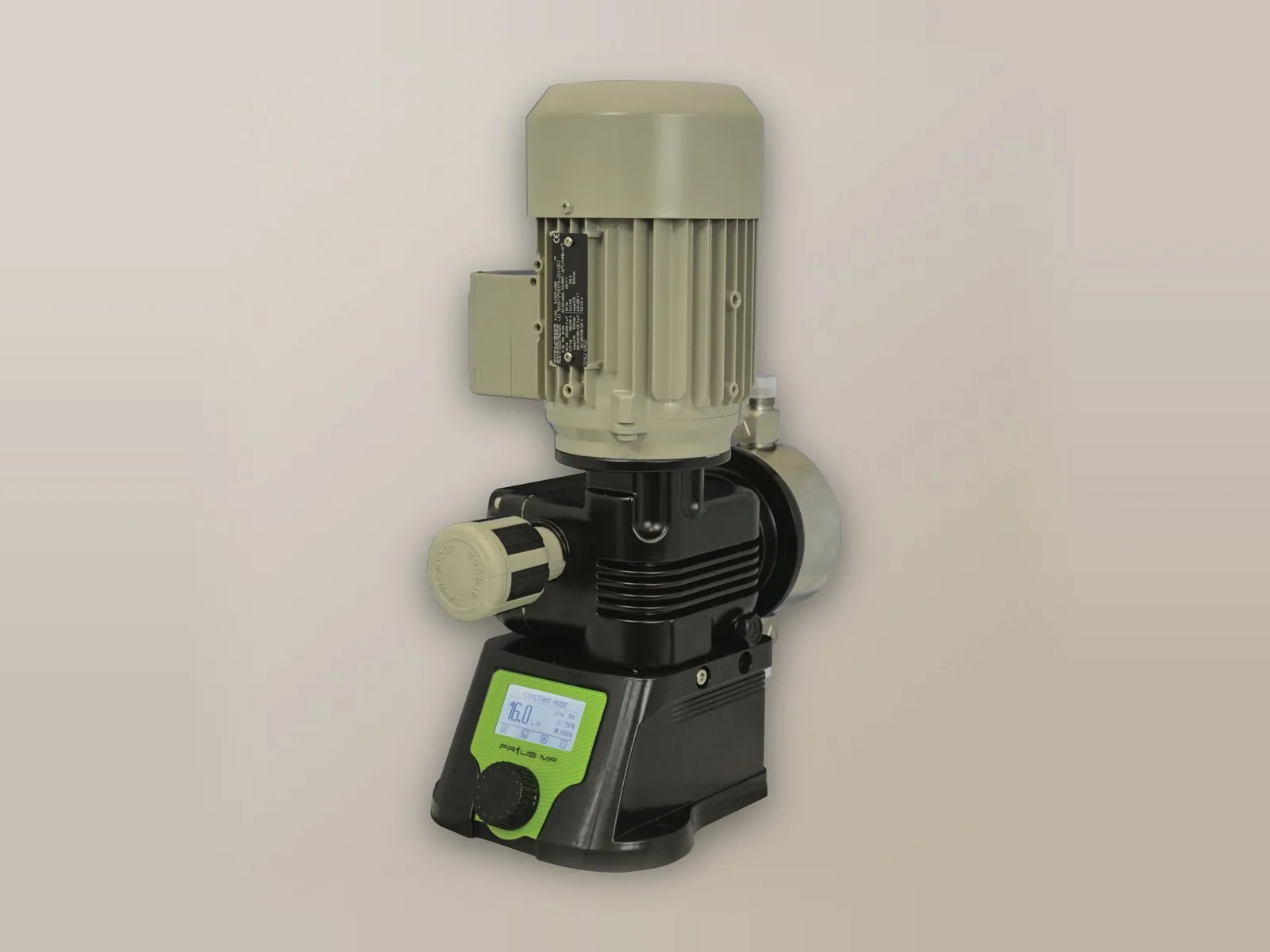
Motor-driven pump with PTFE diaphragm, for high flow rates and pressures.
Details →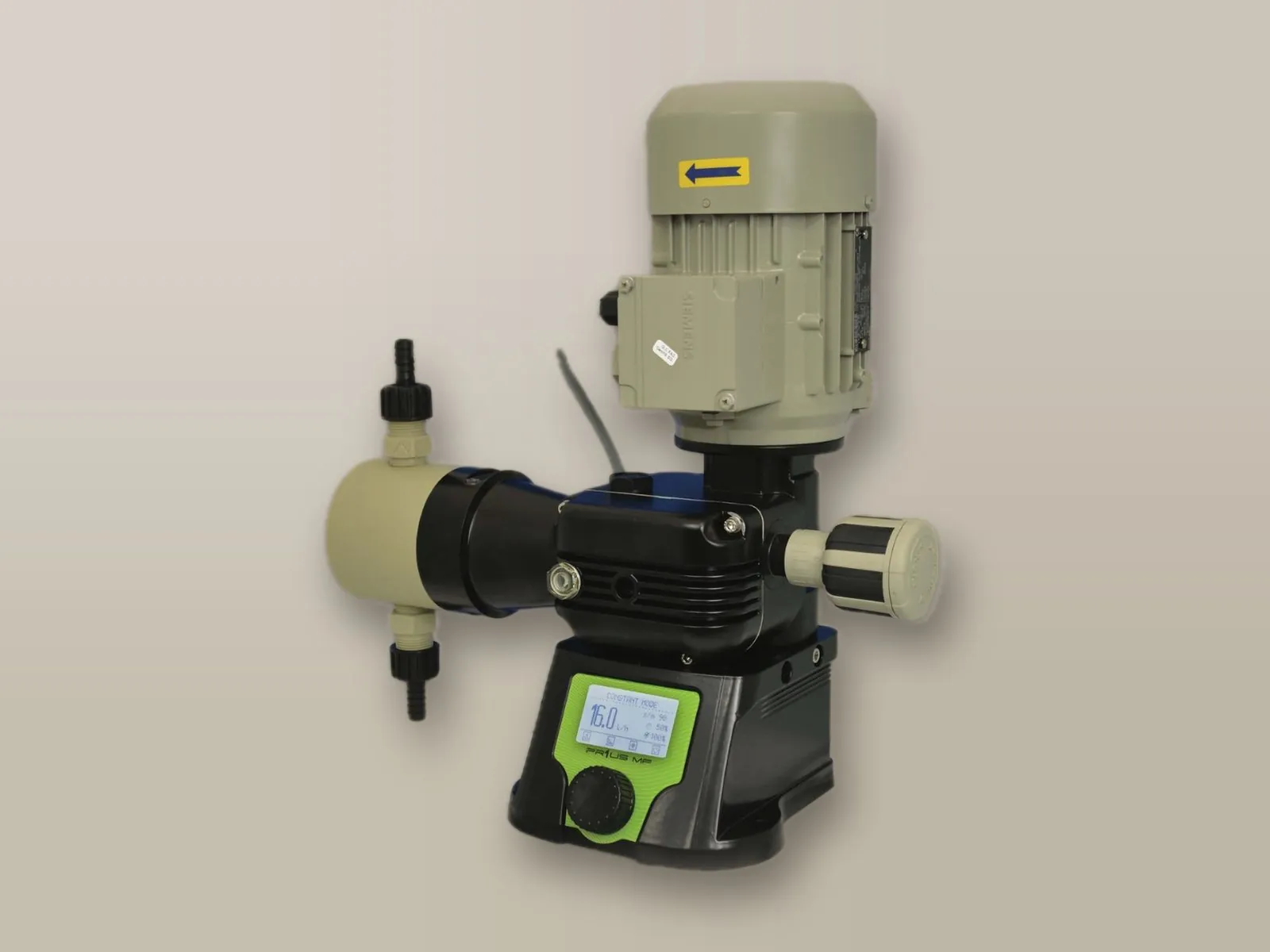
Motor-driven piston pump, for the highest pressures.
Details →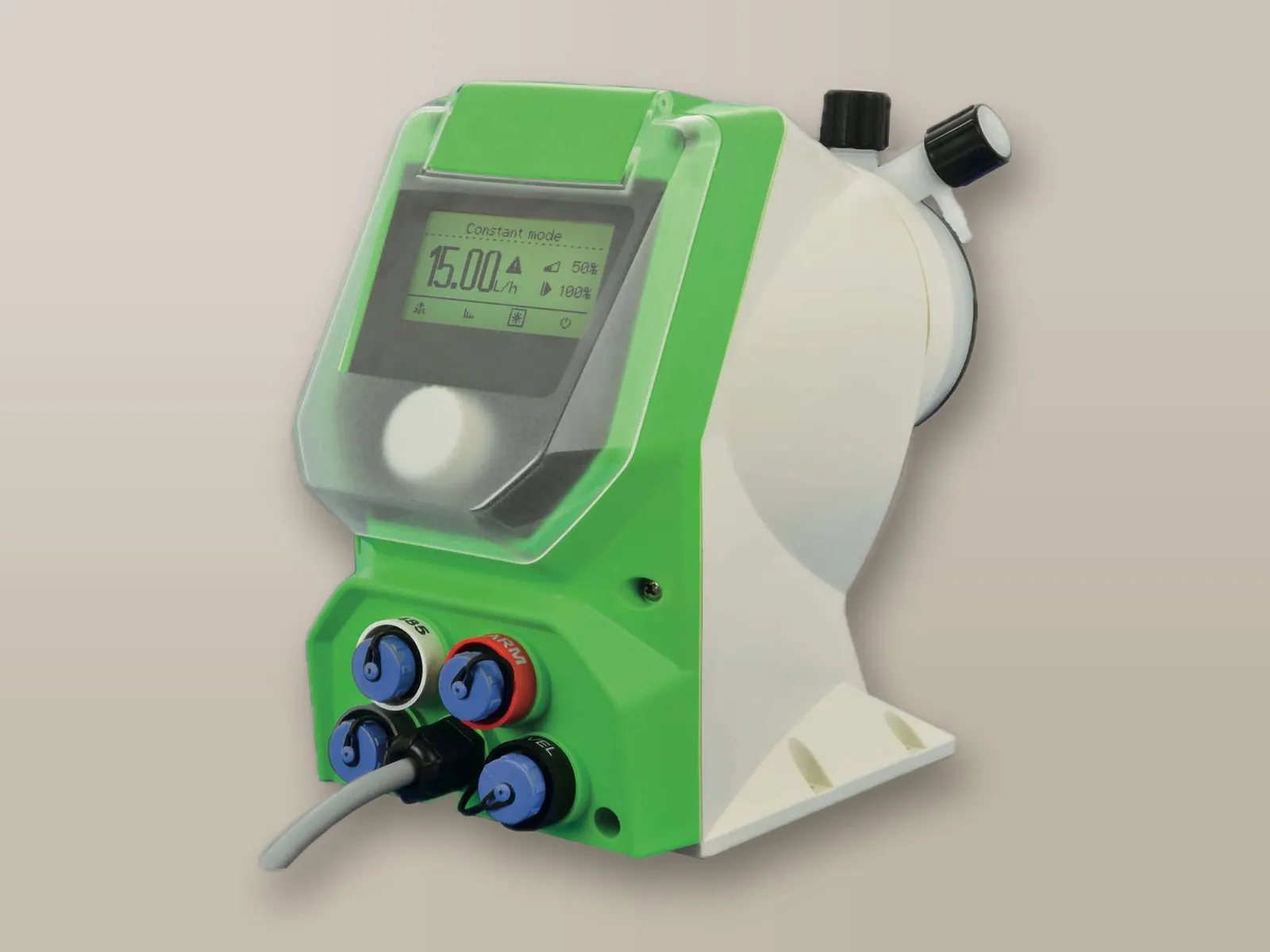
Stepper motor pump for precision dosing, including viscous liquids.
Details →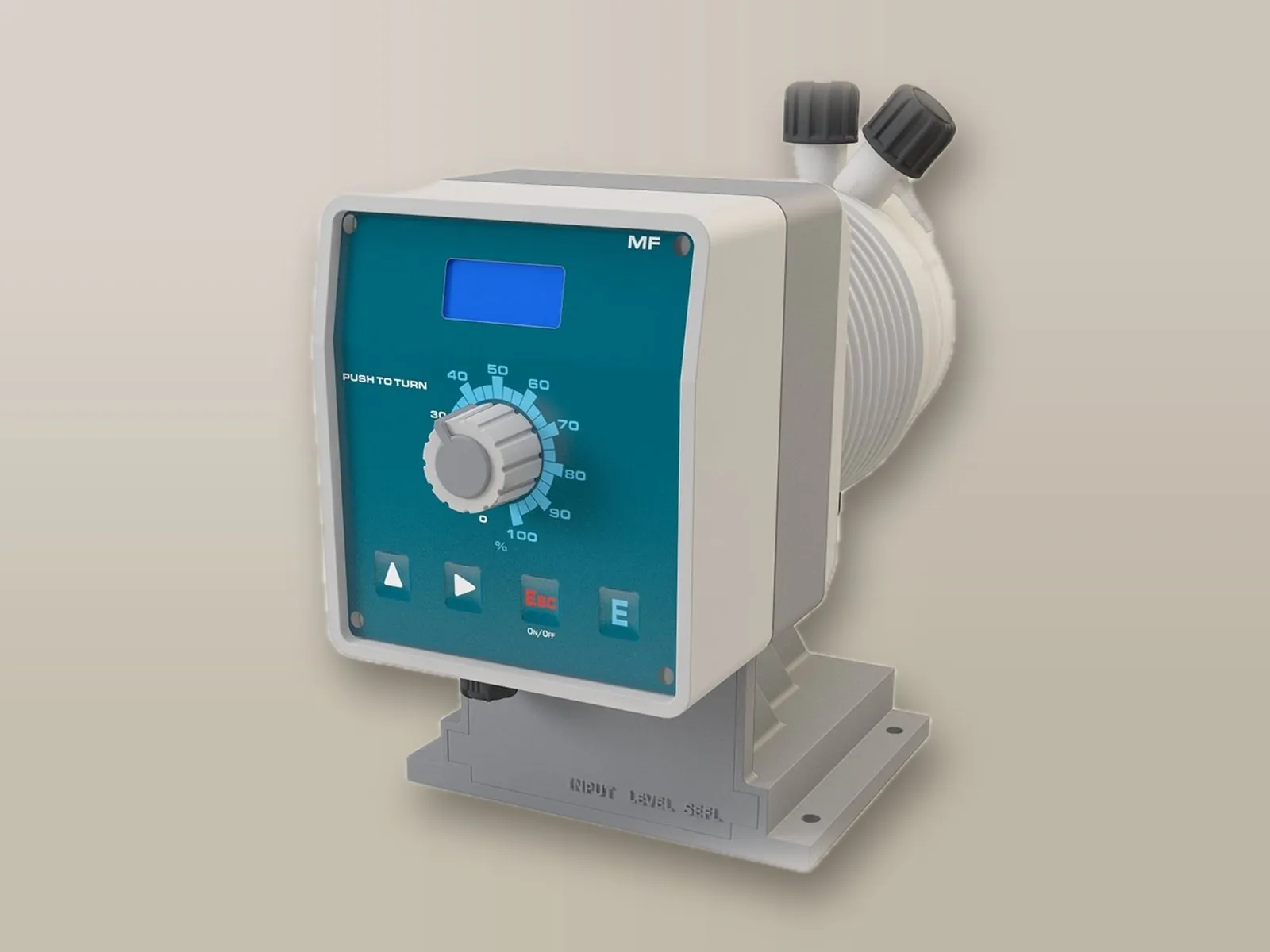
Solenoid pump with pump heads in different materials.
Details →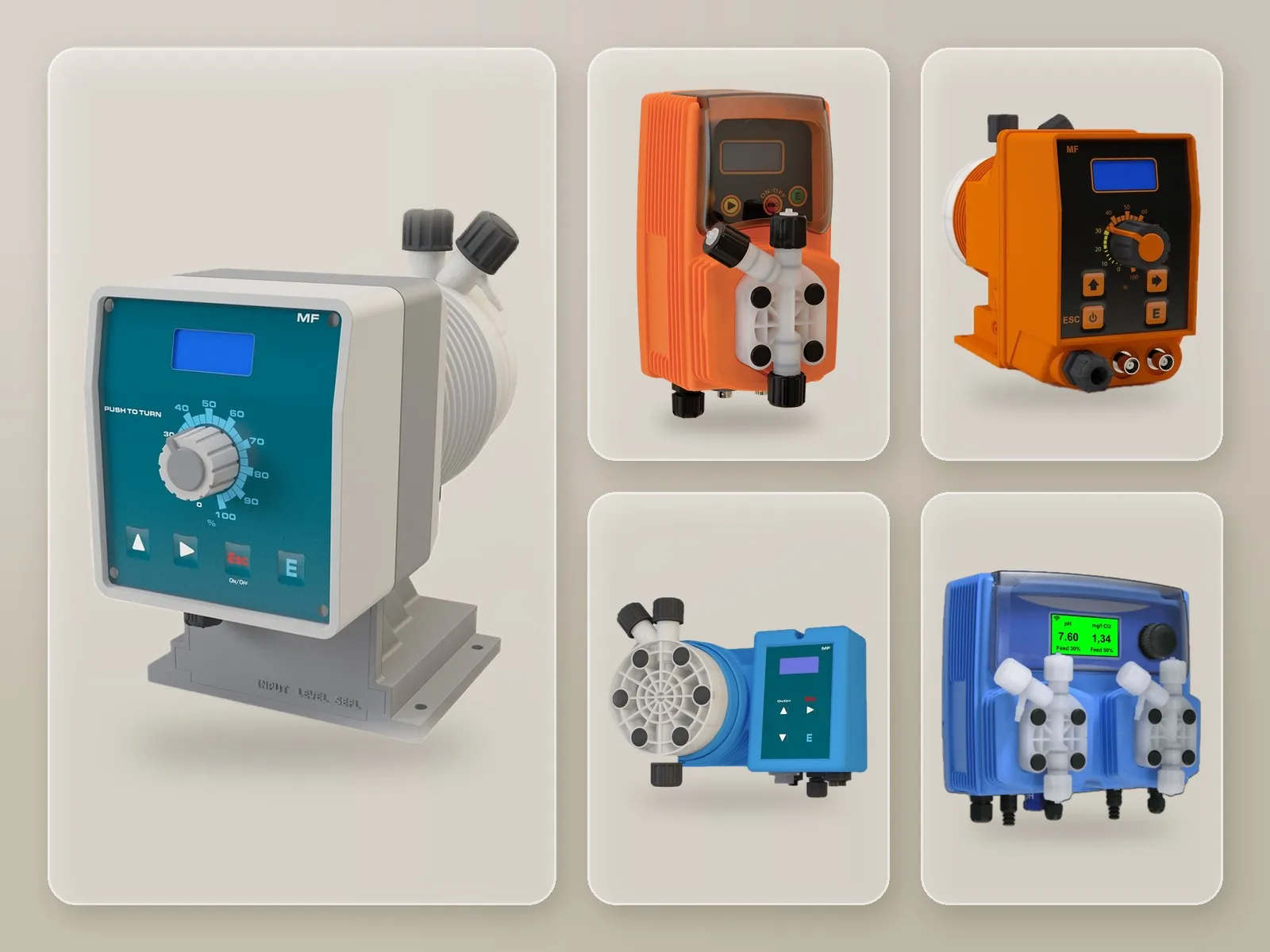
Self-venting pump heads for gas-releasing chemicals.
Details →Describe the installation, the chemicals to be dosed and the parameters to be controlled: our technical staff will propose the most suitable pumps, instruments and accessories.
Call or write to us: a technician will reply with a tailored proposal of controllers, pumps, probes and accessories.