Acidic
H+ ions prevail.
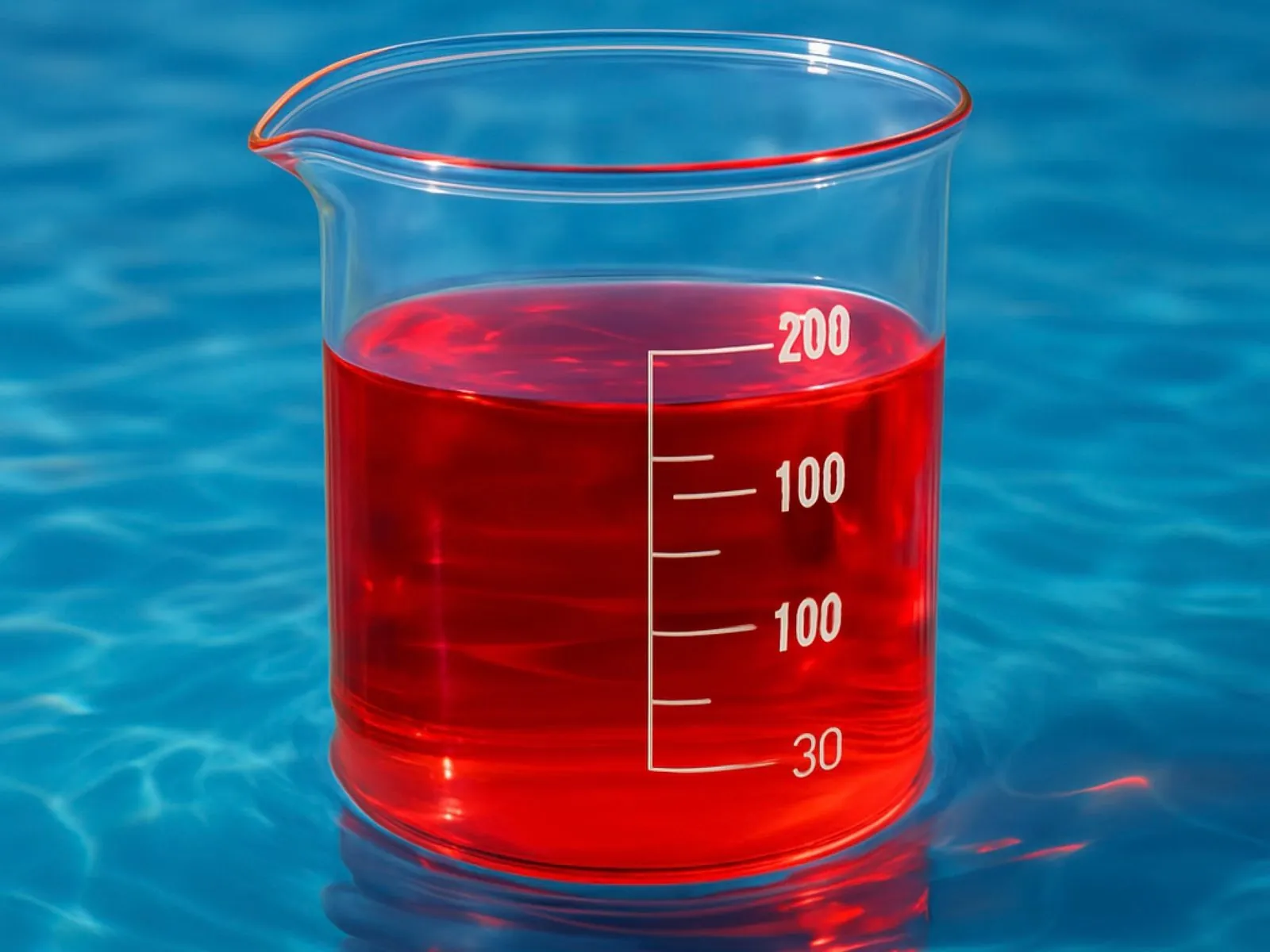
Water contains dissolved H+ (hydrogen) ions and OH− (hydroxide) ions: pH indicates the quantity of H+ ions present. It is a decisive parameter in the treatment of water intended for human consumption, industrial processes, discharge and bathing.
H+ ions prevail.
H+ and OH− ions are present in equal quantities.
OH− ions prevail.
Water intended for human consumption must have a pH between 6.5 and 9.5: at lower values a basic substance (sodium hydroxide) is added, at higher values an acidic substance (sulphuric or hydrochloric acid).
Sodium hypochlorite loses effectiveness as pH increases, becoming almost ineffective above pH 9. The dosing system must compensate for pH variations and, if the value falls outside the optimum range (pH 7 – 8), correct it.
Acidic water increases pipe corrosion, especially in contact with hot water (heating, domestic hot water, cooling towers): rust irreversibly damages metal pipes and is the nutrient of iron bacteria.
Corrosion measurement →An incorrect pH promotes the growth of biofilm, the bacterial film that forms on surfaces in contact with water where flow is slow. The presence of biofilm is also associated with limescale, and therefore with hardness, and with excess iron.
Magnetic scale inhibitors →Chlorine added to water, whether sodium hypochlorite or trichloroisocyanurate, dissociates into hypochlorous acid and hypochlorite ion, in proportions that depend on pH. Hypochlorous acid is the form with the highest and fastest disinfecting power and prevails the closer the pH is to 7; the hypochlorite ion has a considerably lower oxidising power and prevails as the pH rises: above pH 9 hypochlorite becomes almost completely ineffective. As the pH increases, more chlorine is therefore needed to inactivate the same quantity of microorganisms.
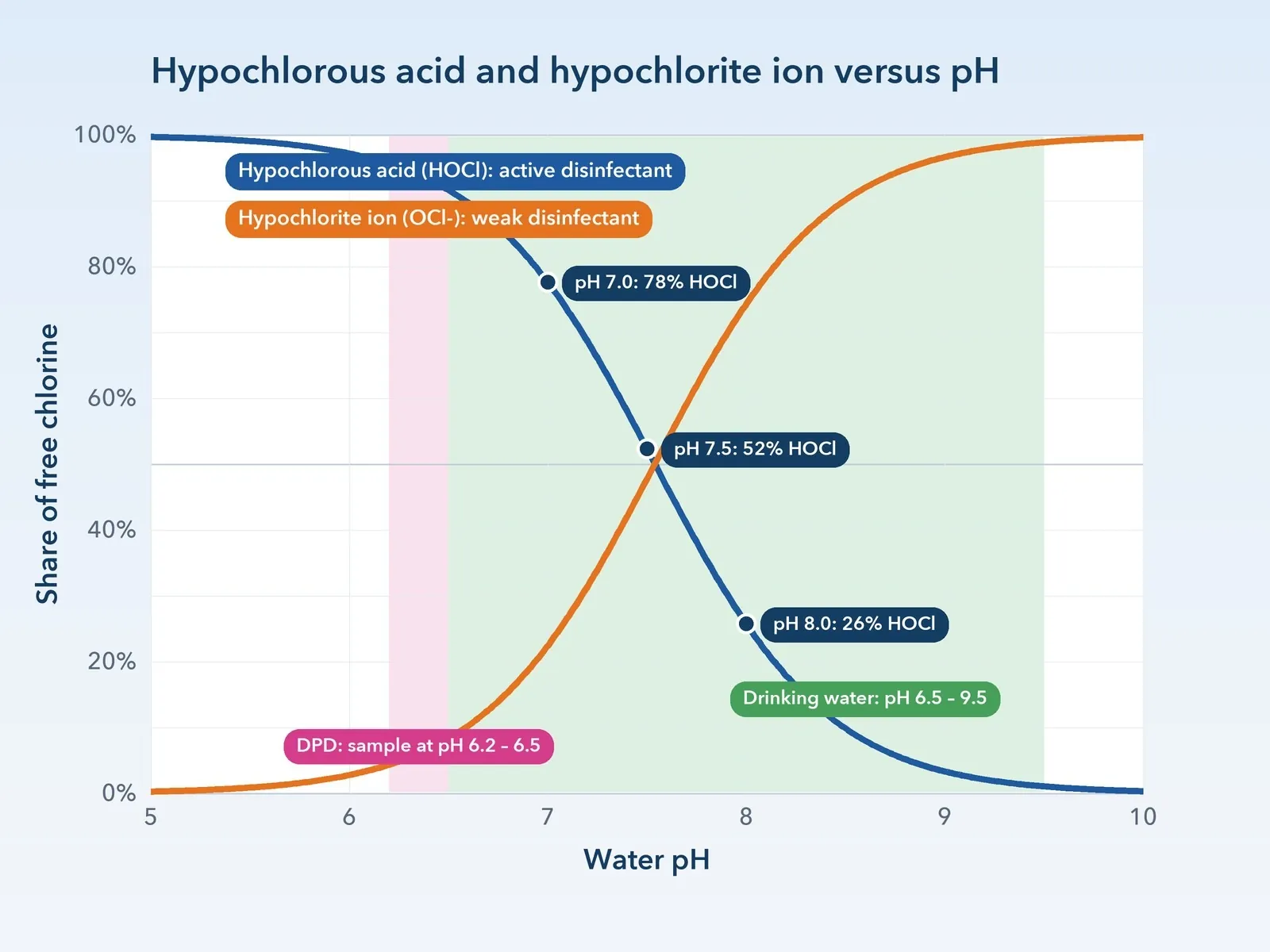
Approximately 78% of the free chlorine is hypochlorous acid.
Hypochlorous acid falls to approximately 52%: the two forms are equivalent.
Only about 26% hypochlorous acid remains: three quarters of the chlorine dosed have a reduced disinfecting power.
The pH may range from 6.5 to 9.5: for the same measured free chlorine, the truly disinfecting share varies considerably from one water to another.
A stable pH close to 7.2 – 7.4 provides, for the same amount of chlorine dosed, a greater quantity of hypochlorous acid. Sodium hypochlorite contains sodium hydroxide, which tends to raise the pH: systems that first regulate the pH and only then dose the hypochlorite are therefore preferable.
Free chlorine measuring systems compensate for variations in pH and temperature, and the closed amperometric cell measures hypochlorous acid directly. The DPD method, on the other hand, brings the sample to pH 6.2 – 6.5, where almost all the free chlorine is hypochlorous acid: it reads the total free chlorine, regardless of the actual pH of the water.
Values at 25 °C.
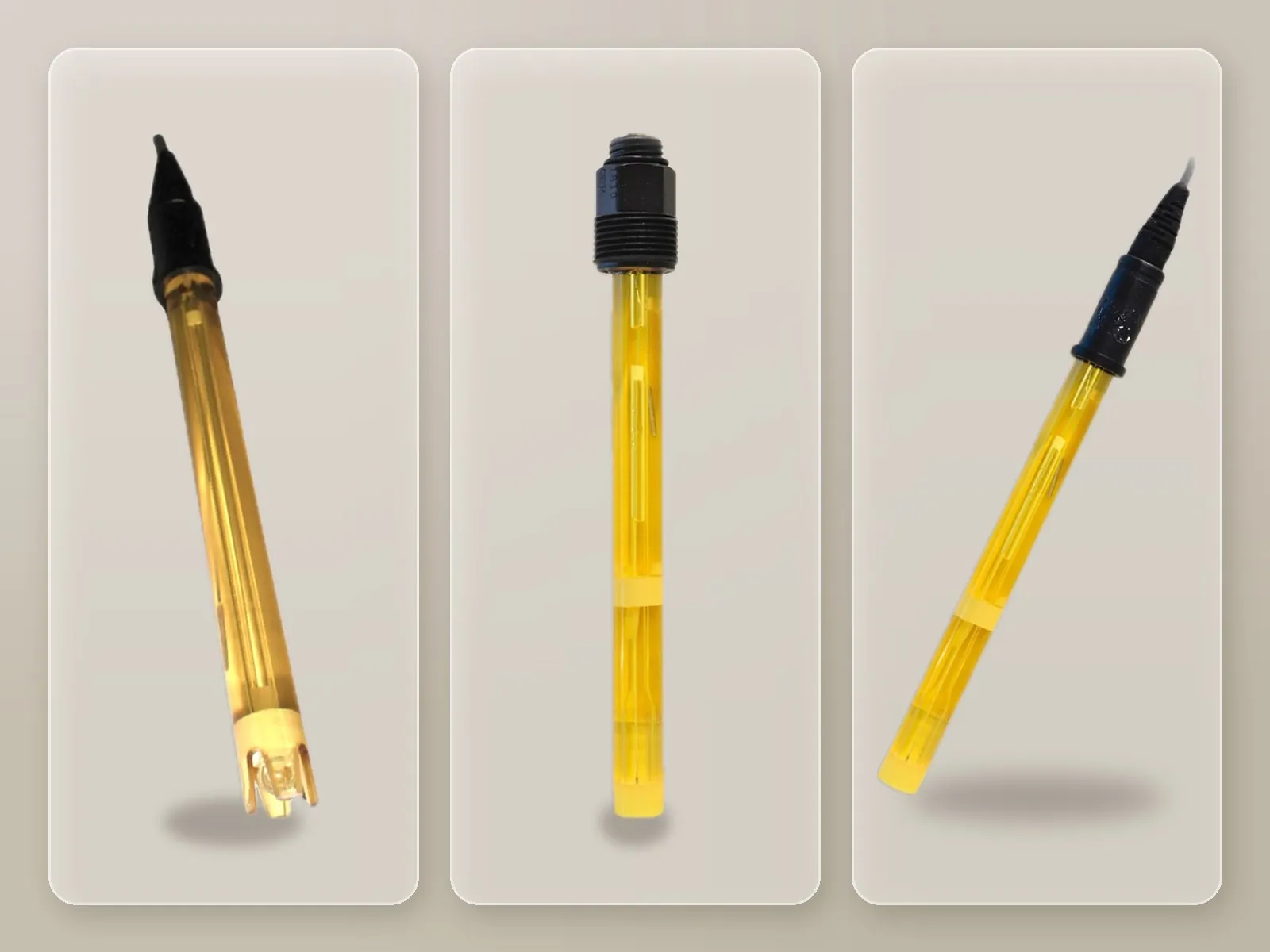
Measurement is performed by a pH electrode, consisting of an internal buffer solution, a measuring electrode, a reference electrode and a special glass membrane, selectively permeable to H+ ions.
The passage of H+ ions through the membrane depends on their concentration in the solution being measured; on the inside, the membrane is in contact with a solution of known and constant concentration.
At equilibrium the membrane assumes a potential that depends on the hydrogen ion concentration in the solution being measured.
It detects the potential of the membrane and transmits it to the controller.
The controller derives the pH by comparing this potential with the fixed, known potential of the reference electrode.
The reference electrode has a known potential, constant and independent of external conditions: it normally consists of a metal coated with one of its sparingly soluble salts, immersed in a solution containing the anion of the same salt.
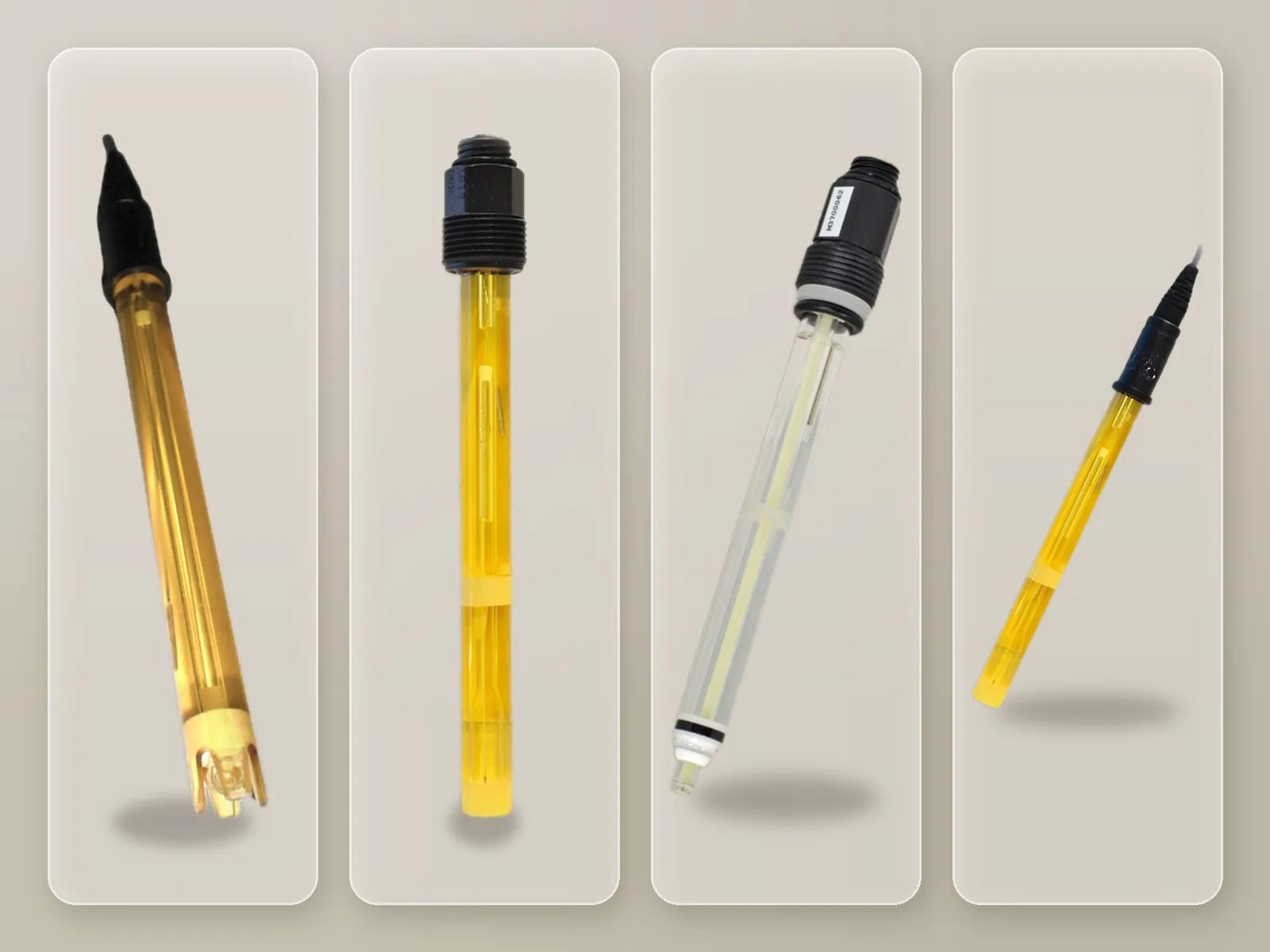
Ag/AgCl/KCl sol.: the most widely used reference today; maximum temperature of about 100 °C; it shows no appreciable hysteresis as the temperature varies.
A small ceramic cylinder, a porous PTFE ring or similar: it allows a minimal flow of electrolyte towards the solution, to maintain electrical continuity, prevent fouling and precipitation in the pores and stop the sample from entering the reference.
The salt must contain chloride ions, for electrochemical equilibrium with silver chloride, and be readily soluble and equitransferent (anion and cation with the same ionic mobility), so as not to create a diffusion potential across the diaphragm.
If KCl forms precipitates with the sample or reacts with it, a double-junction reference is used: a first reservoir with KCl and a second with a suitable bridge solution, for example saturated KNO3.
The electrode must be chosen according to the actual operating conditions: several external factors can alter the measurement.
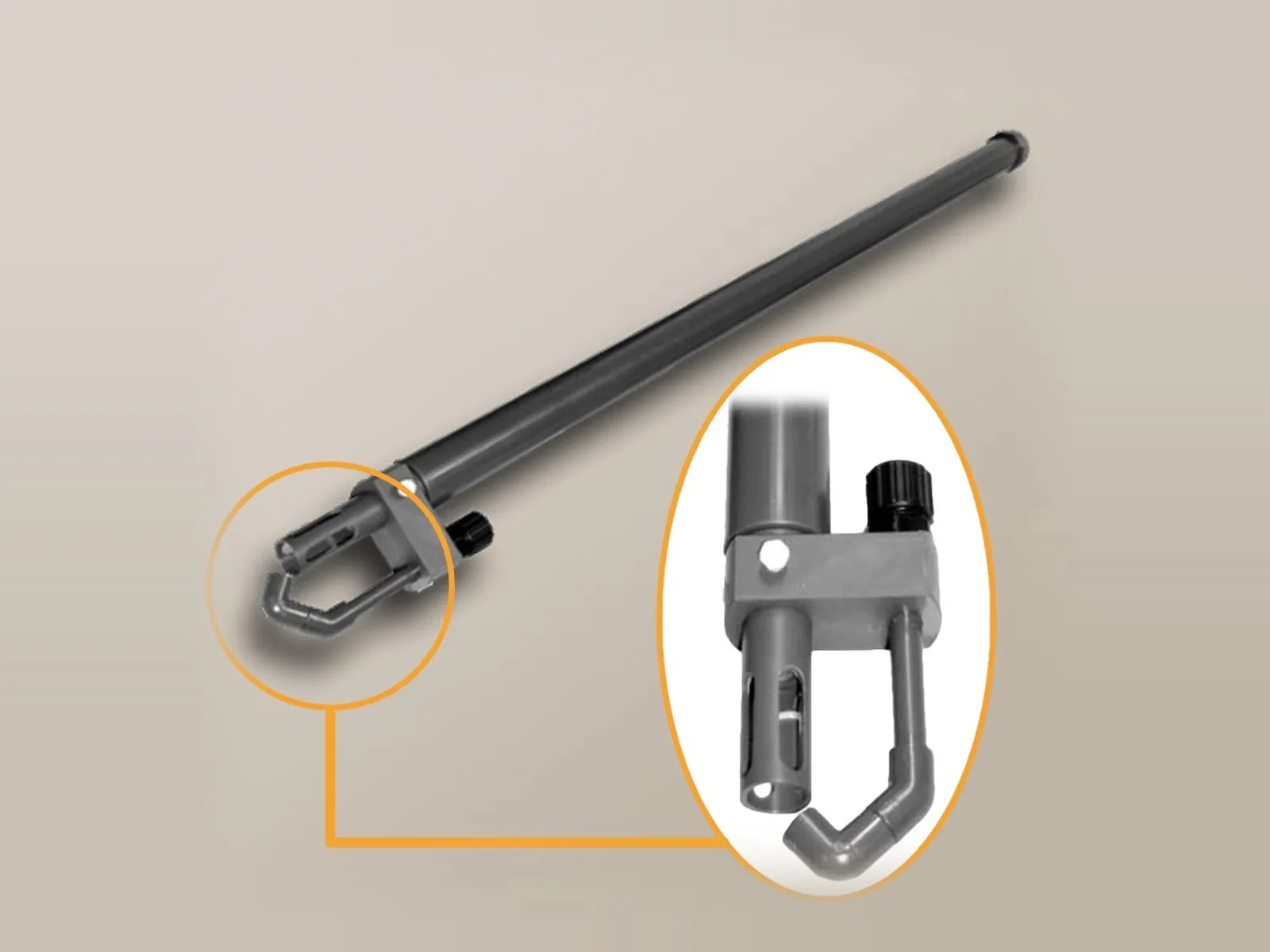
Deposits on the porous diaphragm generate spurious potentials and therefore measurement errors. Depending on the application, self-cleaning electrodes or an immersion probe holder with self-cleaning are used.
The liquid being measured may penetrate through the porous diaphragm and contaminate the reference electrolyte: an adequate hydraulic head on the diaphragm must always be ensured.
Some substances present in the solution may react with the reference electrolyte: a wide choice of electrolytes is available.
Sudden changes cause the electrolyte to expand and contract, with a “pumping effect” that draws the liquid being measured into the reference, more or less pronounced depending on the construction of the electrode. Temperature also affects the measured pH: the measuring systems compensate for it automatically.
At high pH the glass membrane loses linearity and sensitivity owing to interference from the Na+ ion, which is partly read as H+; the effect is reduced by a suitable selection of the membrane components.
Hydrofluoric acid, or fluorides at a pH below 5, corrode the glass membrane: electrodes specifically designed for contact with hydrofluoric acid are used.
EPHM/HF electrode →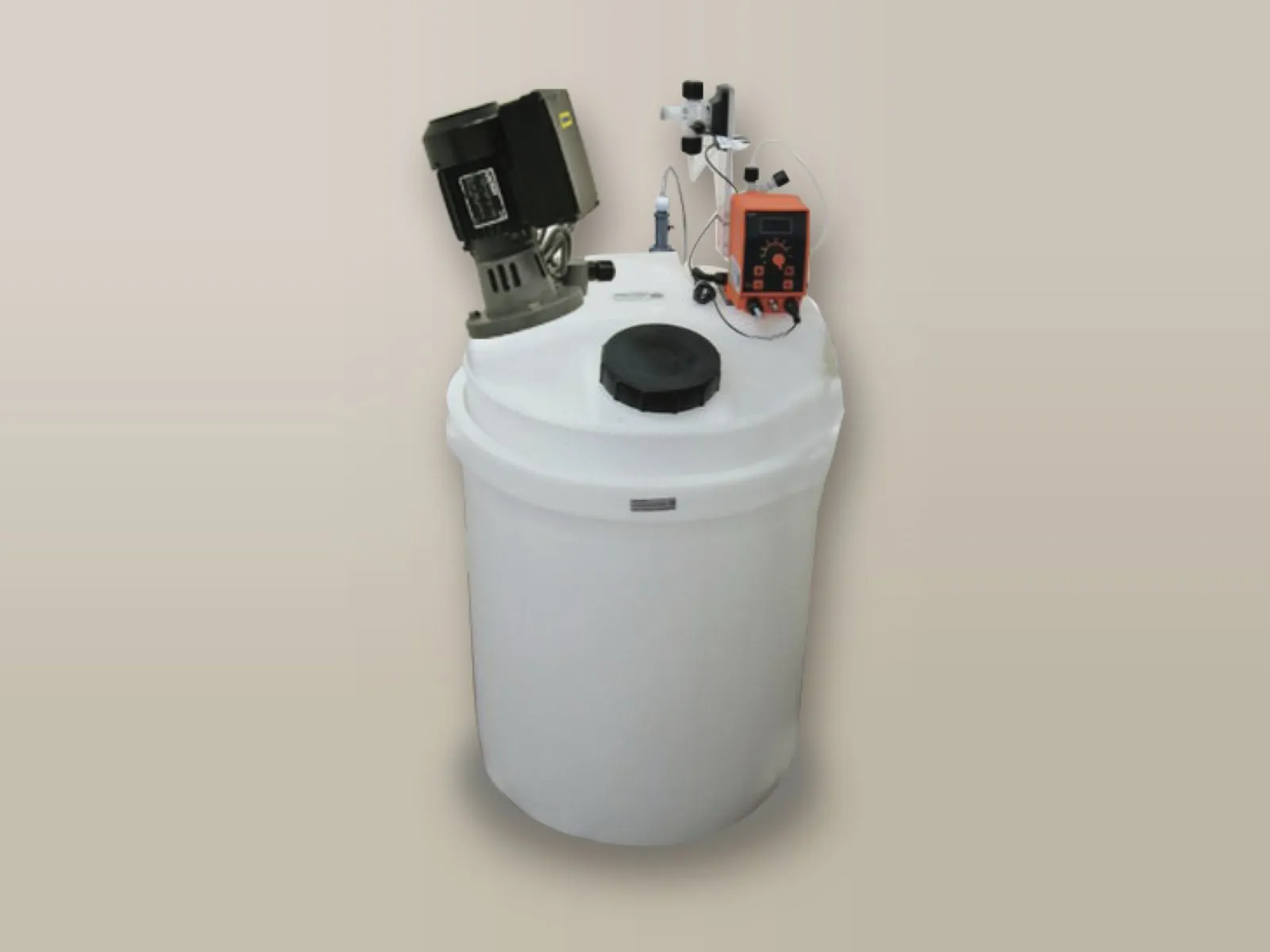
Mixing and dosing of acids or bases with constant, volumetric or proportional dosing, with all components pre-installed on the tank.
Dosing stations →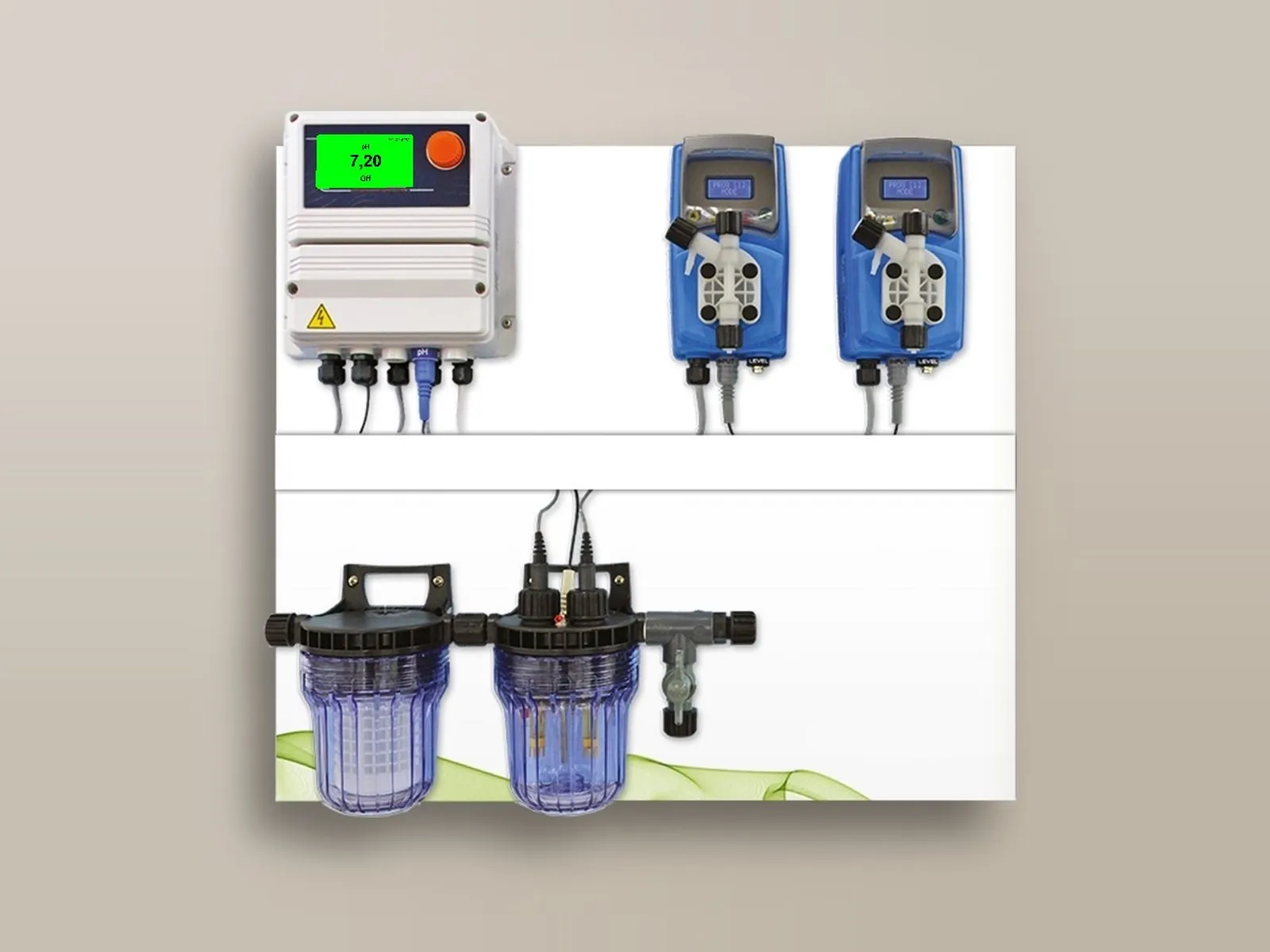
pH measurement and control, with dosing of acids and bases proportional to the measured value.
LDspH →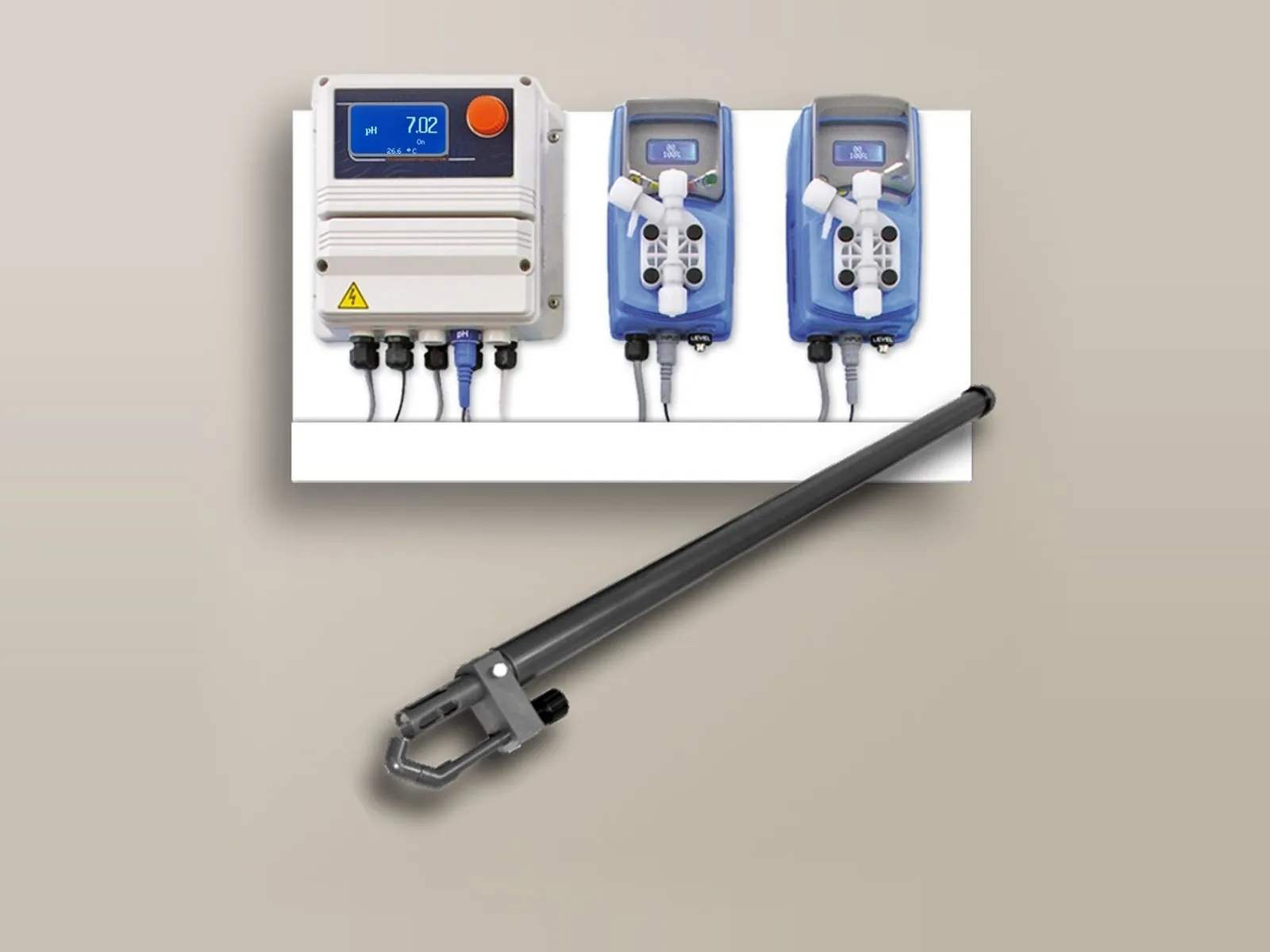
Self-cleaning electrodes in an immersion probe holder with air or water cleaning, for heavily loaded water.
Self-cleaning →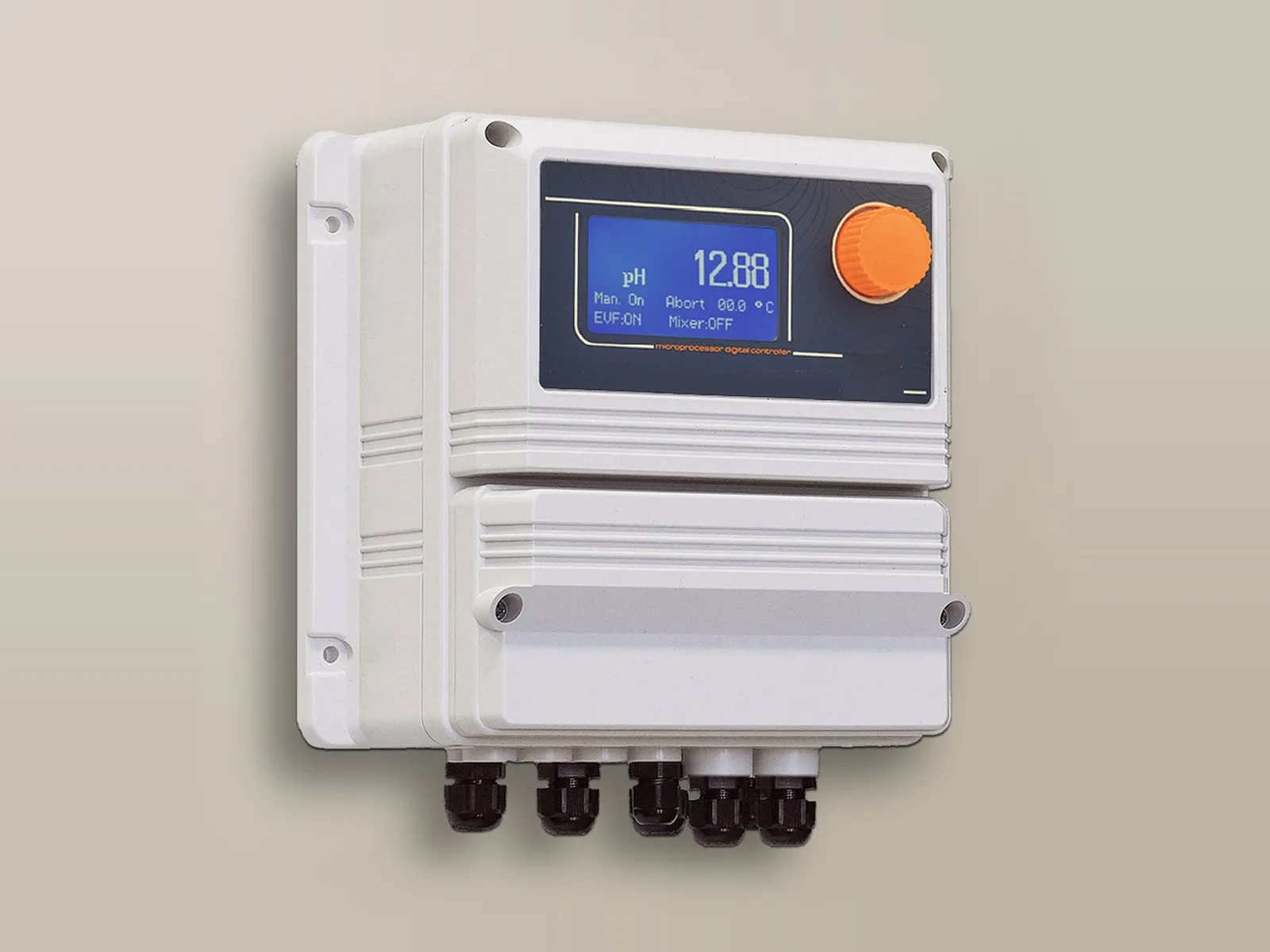
Batch neutralisation: control of tank filling and emptying, mixers and dosing pumps until the required pH is reached.
LDsPN →Tell us the type of water, the temperature and the substances present: we will recommend the most suitable electrode and control system.
Call or write to us: a technician will reply with a tailored proposal of controllers, pumps, probes and accessories.